With more than 10‑year industry experience, Shandong Headpowder delivers full‑service pneumatic‑conveying systems and blowers, undertaking nationwide turn‑key powder‑handling projects.
HeadPowder, a leading enterprise in the field of powder handling technology, specializes in the design, manufacturing, and integration of conveying systems for lithium iron carbonate powder. This article provides a detailed overview of the operational process and underlying principles of such systems, highlighting the key components, mechanisms, and considerations that ensure efficient and reliable powder transport.
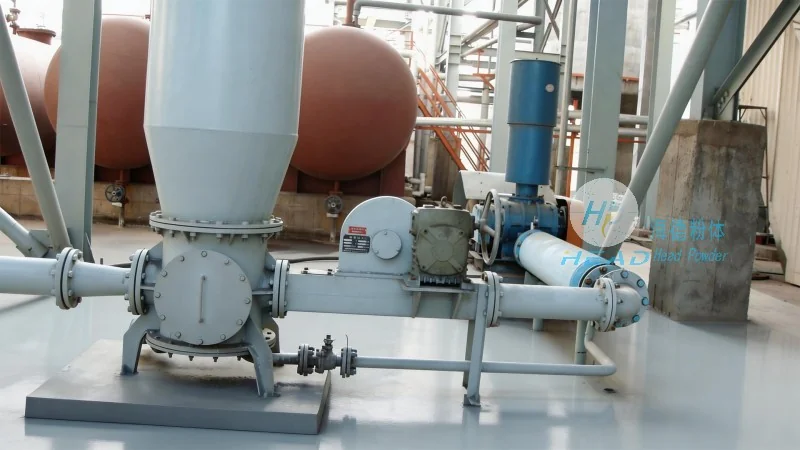
HeadPowder, operating under the full name Shandong HeadPowder Engineering Co., Ltd., is headquartered in Shandong, China. With years of experience in the powder processing industry, the company has developed a deep understanding of the unique challenges associated with handling fine powders like lithium iron carbonate. Our expertise lies in tailoring conveying solutions that address issues such as dust control, material flow optimization, and system durability, ensuring that our clients receive customized systems that meet their specific production requirements.
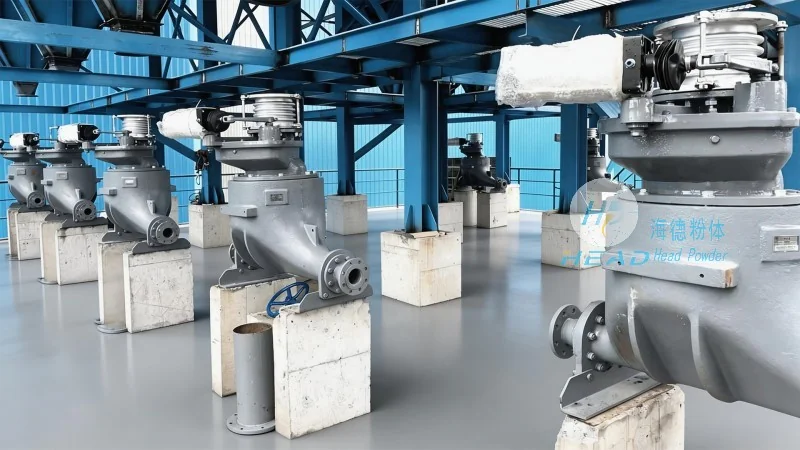
At the heart of any lithium iron carbonate powder conveying system are several critical components that work in tandem to facilitate smooth material transport. The primary elements include a hopper or feed bin for material storage, a conveyor mechanism (such as a screw conveyor, pneumatic conveyor, or belt conveyor), and a control system to regulate the flow and speed of the powder. Each component plays a vital role in maintaining the integrity of the powder and preventing issues like clogging or degradation.
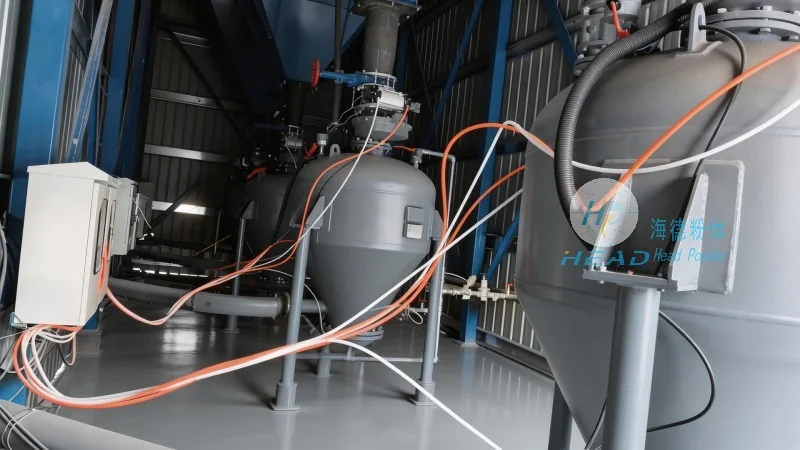
The operation process of a lithium iron carbonate powder conveying system typically begins with the material being fed into a storage hopper. The hopper is designed to hold a sufficient quantity of powder while minimizing the risk of agglomeration or segregation. Once the material is ready for transport, it is discharged from the hopper into the conveyor system. The conveyor mechanism then moves the powder through the system, either by mechanical means (e.g., screw rotation) or by pneumatic pressure (e.g., air flow in a pneumatic conveyor). The control system monitors the flow rate and adjusts the conveyor speed as needed to maintain a consistent and controlled delivery to the processing or packaging area.
The working principle of these conveying systems is based on the principles of fluidization and mechanical transport. For mechanical conveyors, the rotation of the screw or belt creates a continuous flow of powder, while the design of the hopper and discharge points minimizes the risk of blockages. Pneumatic conveyors, on the other hand, use compressed air to create a flow of air and powder, which is then directed to the target location. The key to efficient operation lies in maintaining proper air pressure, flow rates, and material feed rates to ensure that the powder moves smoothly without causing excessive wear or degradation.
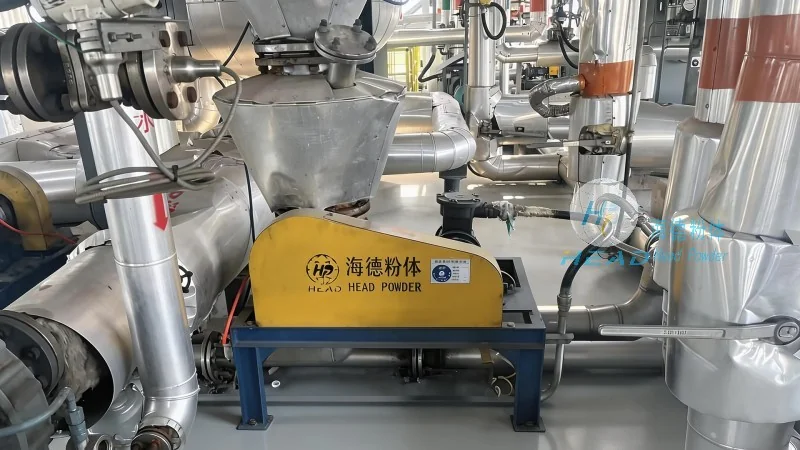
When designing a lithium iron carbonate powder conveying system, several factors must be considered to ensure optimal performance. These include the particle size distribution of the powder, the moisture content, and the potential for dust generation. Proper sealing and dust collection systems are essential to maintain a clean and safe working environment. Additionally, regular maintenance is crucial to prevent wear and tear on components, ensuring that the system operates at peak efficiency over its lifespan.

 Shandong Headpowder Engineering Co., Ltd.
 156-6277-7102(Manager Zhang)
  0531-83386006
  Zhangqiu District, Jinan City, Shandong Province, China
telephone
WeChatconsult
top