With more than 10‑year industry experience, Shandong Headpowder delivers full‑service pneumatic‑conveying systems and blowers, undertaking nationwide turn‑key powder‑handling projects.
Efficient and reliable potato powder conveying is a critical aspect of modern food processing and material handling operations. The process of transporting potato powder, a fine and often delicate powder, requires specialized equipment and understanding of the material's properties to ensure minimal degradation and consistent flow. This article explores the operation process and working principles of potato powder conveying systems, highlighting the key components, operational steps, and the role of advanced engineering solutions in optimizing performance.
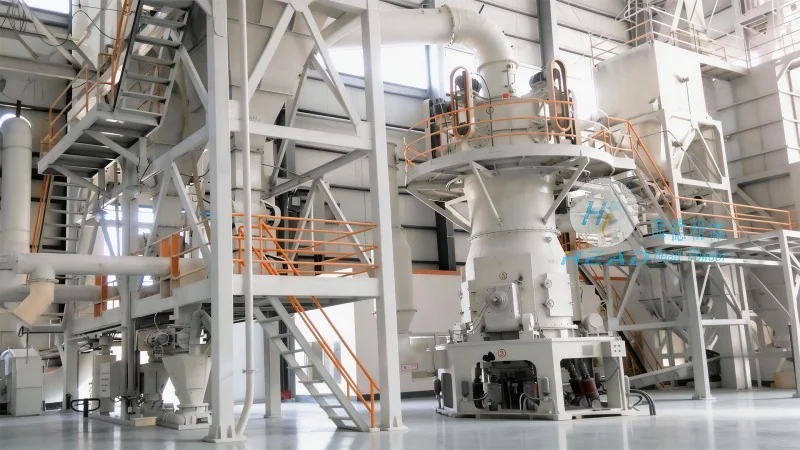
The core components of a potato powder conveying system typically include a hopper for material storage, a conveyor mechanism (such as screw conveyors, pneumatic conveyors, or bucket elevators), and control systems for regulating flow and pressure. The hopper is designed to hold the potato powder in a controlled manner, preventing caking or agglomeration that could impede flow. The conveyor mechanism is selected based on the powder's characteristics, such as particle size, moisture content, and bulk density, to ensure smooth and continuous movement. For example, pneumatic conveyors use air pressure to transport the powder, which is particularly effective for fine powders like potato powder due to their low bulk density and tendency to create dust. Screw conveyors, on the other hand, use rotating screws to push the powder forward, offering a more direct and mechanical method of transport.
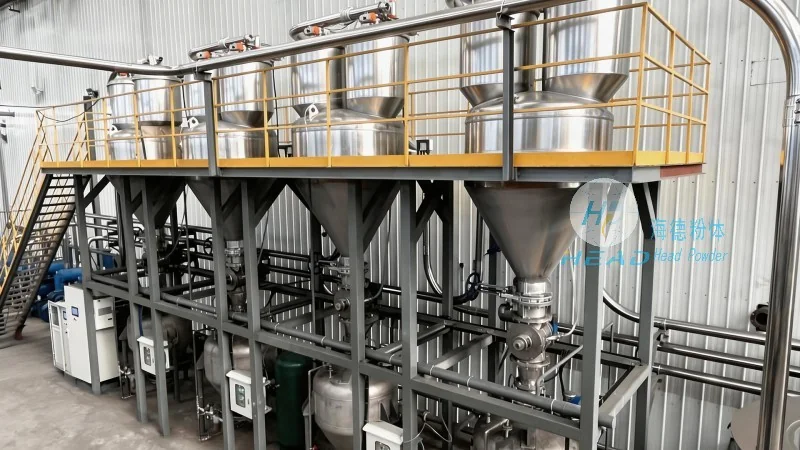
The operation process of potato powder conveying involves several sequential steps that ensure the material is moved from the source to the destination efficiently and safely. The first step is material loading into the hopper, where the potato powder is fed from a storage silo or processing line. The hopper is equipped with level sensors to monitor the material volume, preventing overfilling or underfilling that could affect conveyor performance. Once the hopper is filled to the appropriate level, the conveyor system is activated. For pneumatic conveyors, the system draws air from a blower and mixes it with the powder, creating a slurry that is then transported through a network of pipes to the discharge point. The air pressure is carefully controlled to maintain a consistent flow rate, avoiding excessive pressure that could cause the powder to break down or create excessive dust. For screw conveyors, the rotating screw pushes the powder forward, with the speed of the screw adjusted to match the desired flow rate. The conveyor system is typically equipped with a discharge valve at the end, which regulates the output of the powder to the next processing stage or storage container.
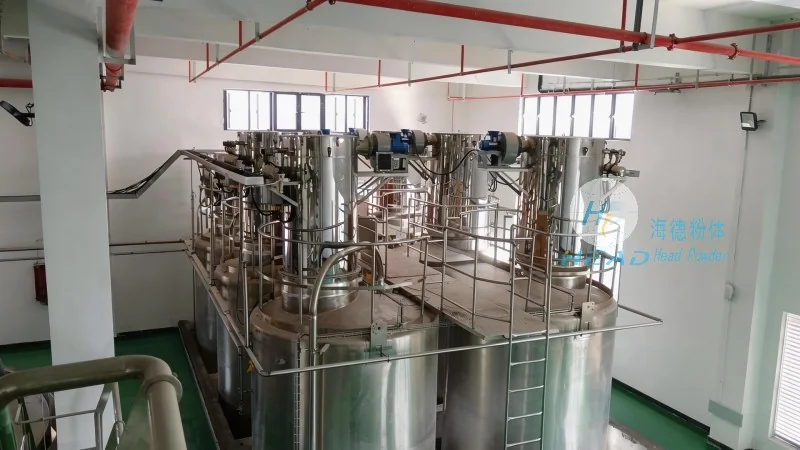
The working principle of potato powder conveying systems is based on the physical properties of the material and the mechanical or pneumatic forces applied to move it. For pneumatic conveyors, the principle involves creating a pressure differential between the hopper and the discharge point. The blower generates high-pressure air, which is introduced into the hopper and mixed with the potato powder. The air-powder mixture is then transported through the conveyor pipes, where the air carries the powder particles forward. The velocity of the air is crucial, as it must be sufficient to overcome the gravitational force and frictional resistance of the powder particles. The system also includes a filter or cyclone separator at the discharge point to separate the powder from the air, ensuring that the powder is collected in a clean and dust-free manner. For screw conveyors, the working principle relies on the mechanical action of the rotating screw. The screw's threads create a helical path that lifts and pushes the powder forward. The pitch and diameter of the screw are designed to handle the specific characteristics of the potato powder, such as its bulk density and flowability. The screw speed is controlled to maintain a consistent flow rate, and the system may include a variable speed drive to adjust the conveyor's performance based on the material's conditions.
Modern potato powder conveying systems incorporate advanced engineering solutions to enhance efficiency, reduce maintenance, and improve product quality. For instance, companies like Shandong HeadPowder Engineering Co., Ltd. (headpowder) specialize in designing and manufacturing customized conveying systems tailored to the specific needs of potato powder processing. These systems often include features such as variable speed drives, which allow for real-time adjustment of the conveyor speed based on the material's flow characteristics. This adaptability ensures that the system can handle variations in potato powder quality, such as changes in moisture content or particle size, without compromising performance. Additionally, advanced control systems use sensors to monitor key parameters like pressure, flow rate, and temperature, providing real-time data for process optimization and troubleshooting. The use of high-quality materials, such as stainless steel for the conveyor components, ensures durability and resistance to corrosion from the potato powder, which may contain acidic or moisture-rich components. These engineering advancements help minimize product degradation, reduce downtime, and improve overall operational efficiency.
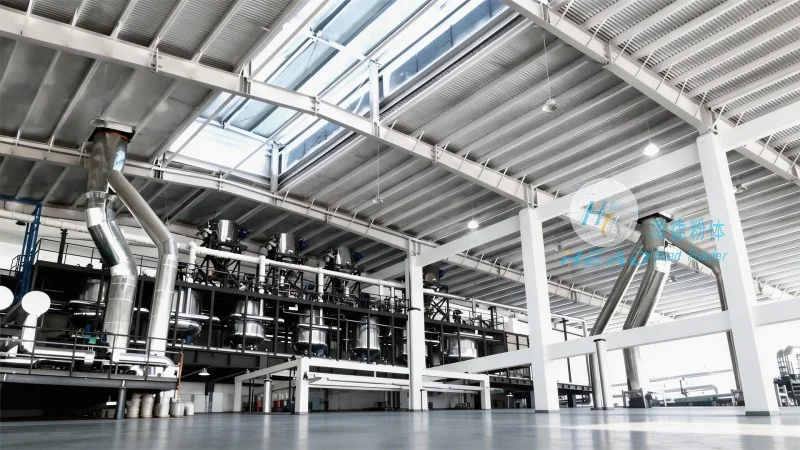
In conclusion, the operation process and working principles of potato powder conveying systems are critical to the success of potato powder processing operations. By understanding the key components, operational steps, and engineering principles involved, manufacturers can select and maintain effective conveying systems that ensure consistent and efficient transport of potato powder. Companies like Shandong HeadPowder Engineering Co., Ltd. play a vital role in providing advanced solutions that meet the specific demands of potato powder processing, contributing to improved product quality and operational performance.

 Shandong Headpowder Engineering Co., Ltd.
 156-6277-7102(Manager Zhang)
  0531-83386006
  Zhangqiu District, Jinan City, Shandong Province, China
telephone
WeChatconsult
top