With more than 10‑year industry experience, Shandong Headpowder delivers full‑service pneumatic‑conveying systems and blowers, undertaking nationwide turn‑key powder‑handling projects.
HeadPowder, a leading enterprise in the field of powder conveying technology, specializes in the design, manufacturing, and application of advanced systems for synthetic fiber powder handling. Based in Shandong, China, the company has established itself as a reliable partner for industries requiring efficient and reliable powder transportation solutions.
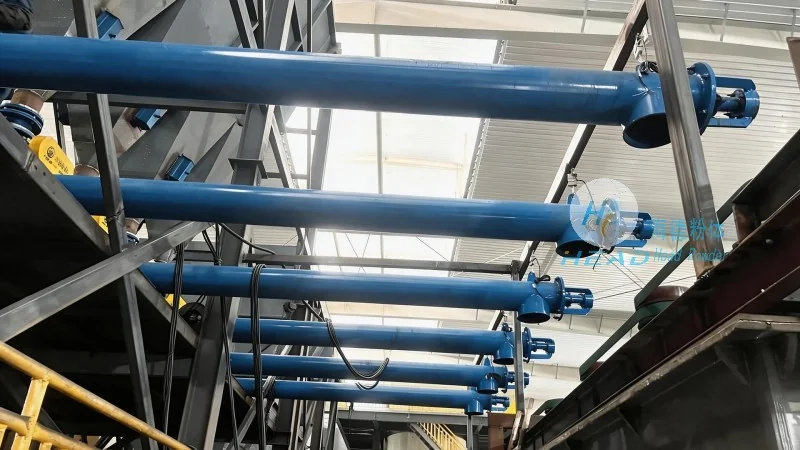
Synthetic fiber powder conveying systems are critical components in various industrial applications, particularly in the textile and chemical sectors. These systems are engineered to handle fine powders with high precision, ensuring minimal loss and contamination during the transportation process. The core objective of such systems is to provide a seamless, automated method for moving bulk materials from storage to processing units, enhancing overall operational efficiency.
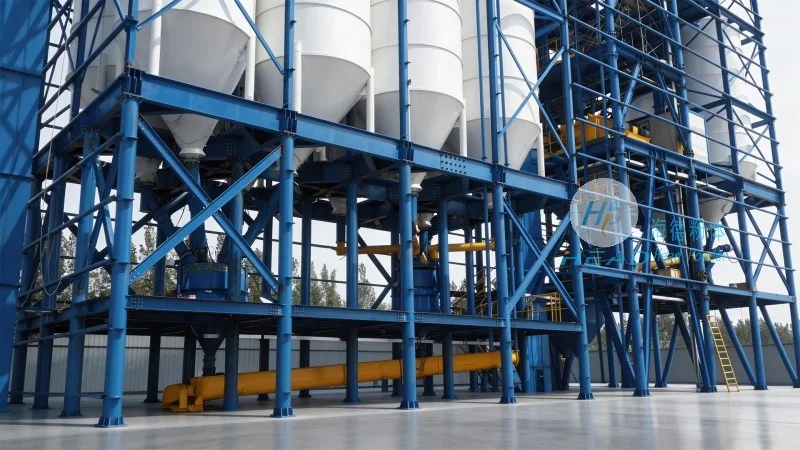
The operation of synthetic fiber powder conveying systems involves several key components, each playing a vital role in the overall process. These include feed hoppers, which store and regulate the flow of powder; conveyor mechanisms, such as screw conveyors or pneumatic systems, that transport the material; and control units that monitor and adjust the system's performance. The feed hopper ensures a consistent supply of powder, preventing blockages and maintaining a steady flow rate. The conveyor mechanism, whether mechanical or pneumatic, moves the powder through the system with minimal energy consumption and maximum reliability. The control unit, equipped with sensors and automation software, provides real-time monitoring and adjusts parameters like speed and pressure to optimize performance.
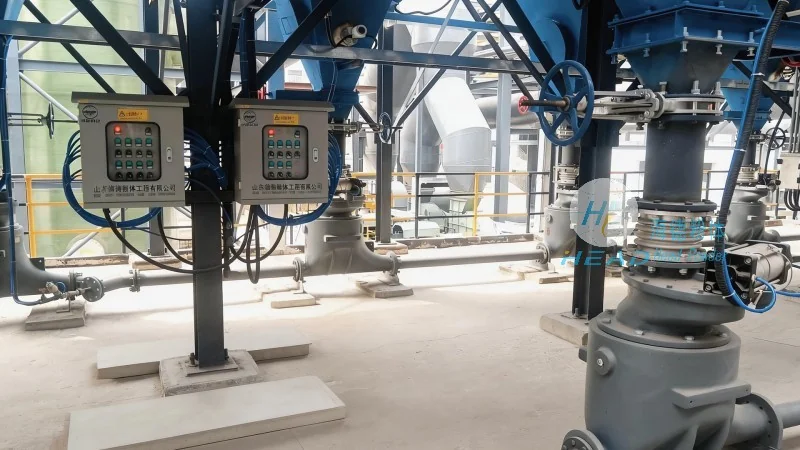
The working principle of synthetic fiber powder conveying systems is based on the principles of fluidization and pneumatic transport. In pneumatic systems, for example, compressed air is used to create a flow that carries the powder particles through the pipeline. The air velocity is carefully controlled to ensure that the powder remains suspended without settling or clogging the system. This method is particularly effective for fine powders that are prone to static charge buildup, as the air flow helps to dissipate static electricity, reducing the risk of material accumulation and improving safety. The system operates by drawing powder from the feed hopper into the conveyor line, where it is transported to the processing unit. The control unit continuously monitors the system's performance, adjusting air pressure and flow rate as needed to maintain optimal conditions. This dynamic adjustment ensures that the system operates efficiently under varying load conditions, minimizing downtime and maximizing productivity.
The operational process of synthetic fiber powder conveying systems typically follows a standardized workflow designed to ensure smooth and continuous operation. The process begins with the loading of the feed hopper with synthetic fiber powder. The powder is then fed into the conveyor mechanism, which transports it through the system. The control unit monitors the system's performance, adjusting parameters as needed to maintain a consistent flow rate. The powder is then delivered to the processing unit, where it is used in various applications such as textile manufacturing or chemical processing. The system is designed to operate continuously, with minimal manual intervention required. Regular maintenance and monitoring are essential to ensure the system's longevity and performance. HeadPowder's systems are equipped with advanced sensors and diagnostic tools that allow for proactive maintenance, reducing the risk of unexpected failures and minimizing downtime.
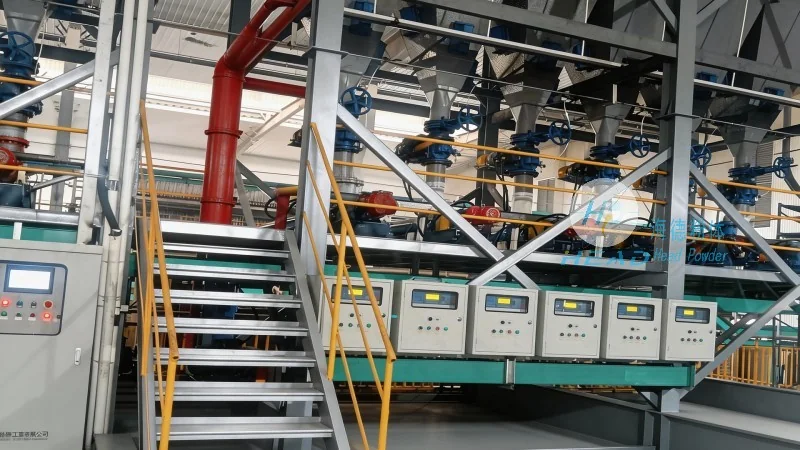
Implementing synthetic fiber powder conveying systems offers numerous advantages for industrial operations. These systems enhance productivity by automating the powder handling process, reducing the need for manual labor and minimizing the risk of human error. The automated control systems ensure consistent flow rates and material quality, leading to improved product consistency and reduced waste. Additionally, the systems are designed to be energy-efficient, with optimized air flow and conveyor mechanisms that reduce energy consumption. The use of pneumatic systems, in particular, provides a dust-free and clean environment, which is crucial for maintaining product quality and ensuring workplace safety. The systems also offer flexibility, allowing for easy integration with existing production lines and the ability to handle varying powder types and quantities. Overall, synthetic fiber powder conveying systems provide a reliable and efficient solution for industries requiring bulk powder transportation, contributing to improved operational efficiency and cost savings.

 Shandong Headpowder Engineering Co., Ltd.
 156-6277-7102(Manager Zhang)
  0531-83386006
  Zhangqiu District, Jinan City, Shandong Province, China
telephone
WeChatconsult
top