With more than 10‑year industry experience, Shandong Headpowder delivers full‑service pneumatic‑conveying systems and blowers, undertaking nationwide turn‑key powder‑handling projects.
Understanding the operation process and working principle of pigment powder conveying is crucial for industries that rely on efficient material handling. This article provides a detailed overview of how pigment powder is transported, processed, and managed within industrial settings, highlighting the key components and mechanisms involved.
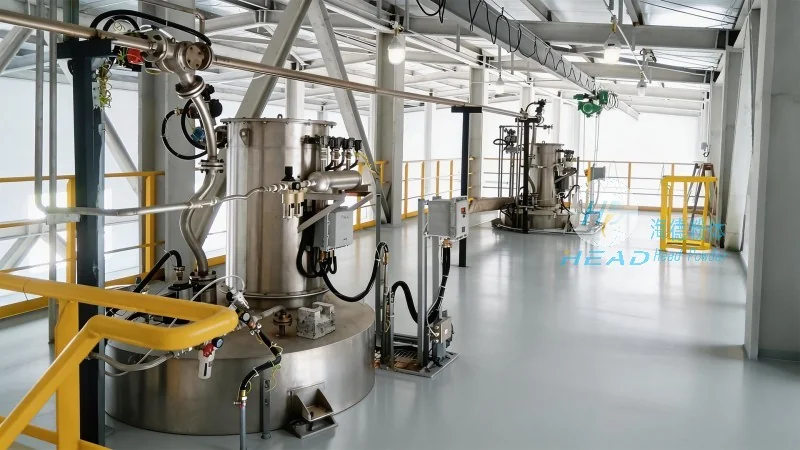
Shandong HeadPowder Engineering Co., Ltd., a leading provider in the field, specializes in the design, manufacturing, and implementation of advanced pigment powder conveying solutions. The company’s expertise lies in optimizing material flow for various applications, ensuring reliability, efficiency, and safety in powder handling operations. With a strong presence in China, the company serves a wide range of industries, including coatings, inks, plastics, and pharmaceuticals, where precise control of pigment powder is essential.
The operation of pigment powder conveying systems involves several critical components that work in tandem to ensure smooth material transport. These components include feeders, conveyors, storage silos, and control systems. Each component plays a vital role in the overall process, contributing to the system's effectiveness and performance.
Feeders are responsible for accurately metering the pigment powder from the storage silo to the conveyor. They are designed to handle different powder characteristics, such as density, flowability, and moisture content, ensuring consistent feeding rates. Conveyors, on the other hand, transport the powder from one location to another, utilizing various technologies like pneumatic, mechanical, or hybrid systems. Storage silos provide a secure and controlled environment for storing large quantities of pigment powder, while control systems monitor and regulate the entire process, ensuring optimal performance and preventing issues like clogging or overfilling.
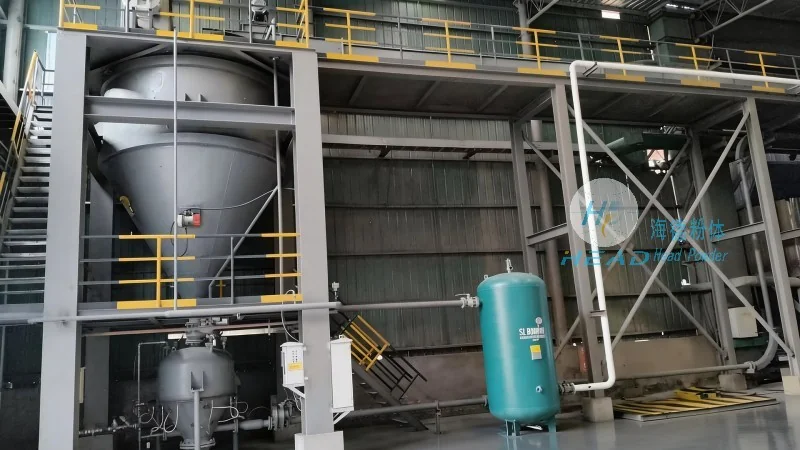
The working principle of pigment powder conveying systems is based on the principles of fluidization and air movement. In pneumatic conveying systems, for example, compressed air is used to create a flow of air and powder mixture through pipes. The powder particles are suspended in the air stream, allowing them to be transported over long distances without the need for mechanical contact. This method is particularly effective for handling fine powders and can be adapted for both positive and negative pressure applications.
Mechanical conveying systems, such as screw conveyors or belt conveyors, rely on mechanical forces to move the powder. Screw conveyors use rotating screws to push the powder forward, while belt conveyors utilize moving belts to transport the material. These systems are often used for short-distance transport or when the powder needs to be handled in a more controlled manner, such as in processing lines.
Hybrid systems combine pneumatic and mechanical components to leverage the benefits of both approaches. This flexibility allows for customized solutions tailored to specific operational requirements, ensuring efficient and reliable powder handling.
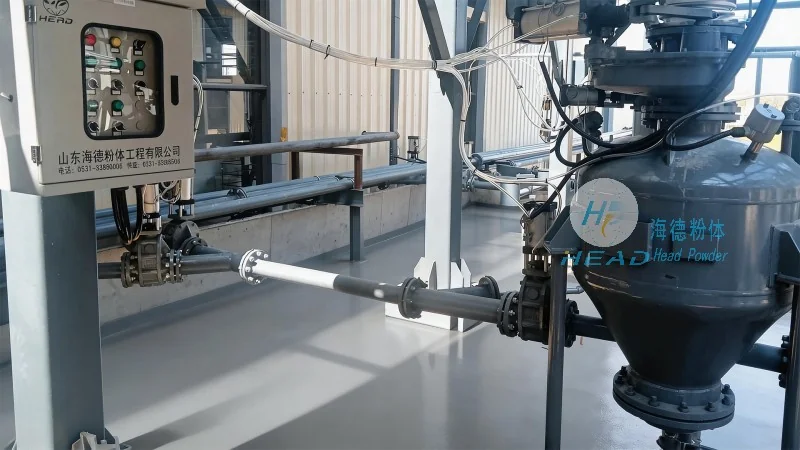
The operation process of pigment powder conveying typically involves several sequential steps. First, the pigment powder is stored in a silo, where it is kept under controlled conditions to prevent caking or moisture absorption. Next, the powder is fed from the silo to the conveying system using a feeder. The feeder regulates the flow rate, ensuring a consistent supply of powder to the conveyor.
Once the powder is in the conveyor, it is transported to the processing or application point. The conveyor system may include multiple segments, such as vertical or horizontal sections, to accommodate changes in elevation or direction. At the destination, the powder is discharged into a hopper or directly into the processing equipment. Control systems continuously monitor the process, adjusting parameters like air pressure, conveyor speed, or feeder rate as needed to maintain optimal performance.
During operation, it is essential to monitor key parameters such as pressure, flow rate, and temperature to ensure the system is functioning correctly. Regular maintenance and cleaning are also critical to prevent clogging and maintain efficiency. By following proper operational procedures, industries can maximize the lifespan of their conveying systems and minimize downtime.
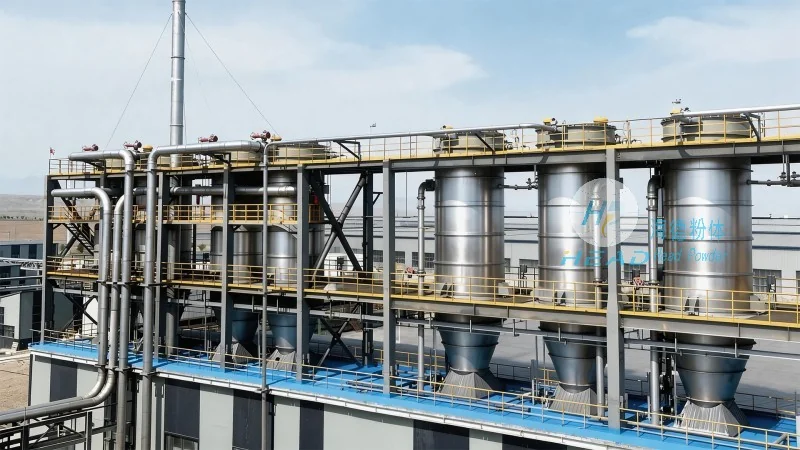
Pigment powder conveying systems offer numerous benefits, including improved efficiency, reduced labor costs, and enhanced safety. By automating the material handling process, companies can achieve higher production rates and better quality control. The systems also minimize the risk of dust exposure and product contamination, which is crucial in industries where powder purity is paramount.
Applications of pigment powder conveying span across various sectors. In the coatings industry, for example, precise control of pigment powder is essential for achieving the desired color and texture in paints and coatings. In the inks industry, efficient conveying ensures consistent ink formulation and quality. The plastics industry benefits from uniform pigment distribution, leading to better product performance and aesthetics. Even in the pharmaceutical sector, where powder handling must adhere to strict regulatory standards, advanced conveying systems provide the reliability needed for safe and effective production.
Understanding the operation process and working principle of pigment powder conveying is vital for optimizing industrial processes and ensuring efficient material handling. Shandong HeadPowder Engineering Co., Ltd. continues to lead in this field, providing innovative solutions that meet the evolving needs of industries worldwide. By leveraging advanced technology and expertise, the company ensures that pigment powder is handled safely, efficiently, and reliably, supporting the success of its clients in various applications.

 Shandong Headpowder Engineering Co., Ltd.
 156-6277-7102(Manager Zhang)
  0531-83386006
  Zhangqiu District, Jinan City, Shandong Province, China
telephone
WeChatconsult
top