With more than 10‑year industry experience, Shandong Headpowder delivers full‑service pneumatic‑conveying systems and blowers, undertaking nationwide turn‑key powder‑handling projects.
Wheat bran, a byproduct of the milling process, is widely used in the food and animal feed industries. Efficient and reliable transportation of this fine powder is crucial for maintaining product quality and operational efficiency. Pneumatic conveying systems have emerged as a preferred solution for handling wheat bran due to their ability to transport dry powders in a closed system, minimizing dust and contamination. This article explores the working principle and key features of a wheat bran powder pneumatic conveying system, highlighting how such systems enhance process reliability and operational safety.
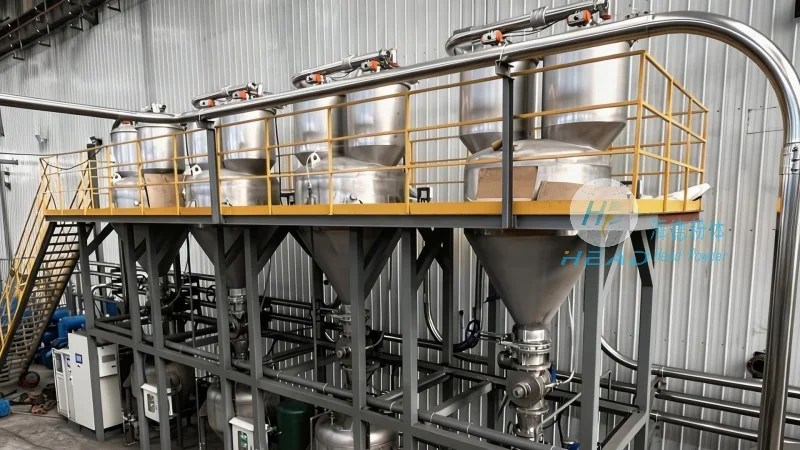
The core of a pneumatic conveying system lies in its ability to use air as the conveying medium to transport dry powders like wheat bran. The system typically operates on one of two principles: suction (or negative pressure) or pressure (or positive pressure) conveying. In suction systems, a vacuum is created at the material inlet to draw the powder into the pipeline. In pressure systems, compressed air forces the powder through the pipeline. Both methods rely on a series of components working in tandem to ensure smooth and efficient transport.
Key components of a typical wheat bran pneumatic conveying system include: a material feeder (to introduce the bran into the system), a conveying line (usually made of stainless steel or other corrosion-resistant materials to handle the abrasive nature of the powder), a blower or fan (to generate the necessary air flow), a separator (to separate the powder from the air at the discharge end), and a filter (to capture any fine particles and return clean air to the system). The system design is tailored to the specific characteristics of wheat bran, such as its particle size, moisture content, and flowability, ensuring optimal performance.
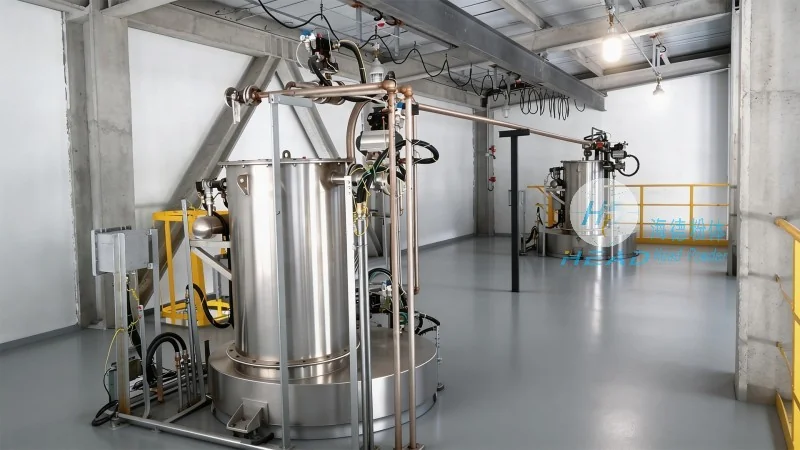
The process begins when the wheat bran is fed into the system via the material feeder. The feeder ensures a consistent flow rate, preventing blockages or uneven material introduction. The blower then generates the required airflow, which is directed into the conveying line. As the air flows through the line, it picks up the wheat bran particles, forming a slurry of air and powder. The mixture travels through the pipeline to the discharge point, where the separator and filter work together to separate the powder from the air. The separator uses a combination of gravity and centrifugal force to separate the heavier powder from the lighter air, while the filter captures any fine particles that may have escaped, ensuring the air is clean and can be recirculated or vented safely.
Wheat bran pneumatic conveying systems offer several distinct advantages over traditional mechanical conveying methods. One of the most significant benefits is the ability to transport the powder in a closed system, which minimizes dust emissions and prevents contamination from external sources. This is particularly important in food and feed applications, where product purity is paramount. Additionally, pneumatic systems are highly efficient in terms of energy consumption, as they can transport large volumes of material with relatively low power input compared to mechanical systems.
Another key feature is the adaptability of pneumatic conveying systems to varying material characteristics. Wheat bran can vary in particle size, moisture content, and flowability depending on the milling process and storage conditions. A well-designed pneumatic system can be adjusted to handle these variations, ensuring consistent performance. For example, the air flow rate and pressure can be modified to accommodate changes in powder density or stickiness, preventing system blockages or inefficiencies.
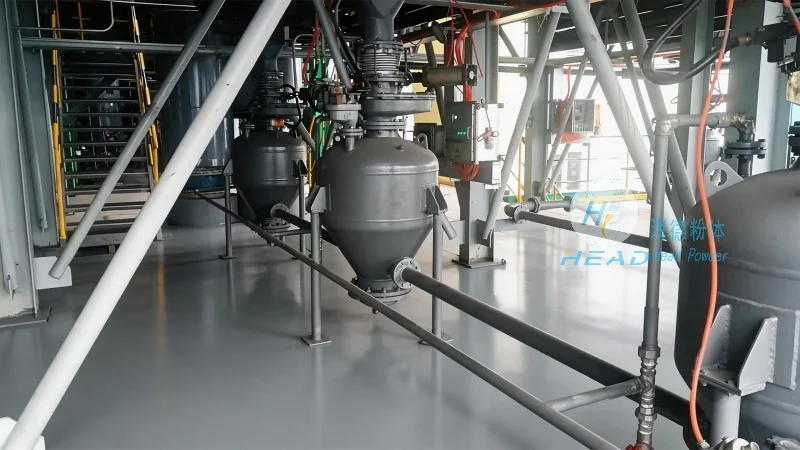
Operational safety is also a major advantage of pneumatic conveying systems. Unlike mechanical systems that use moving parts in contact with the powder, pneumatic systems have no direct contact between the material and the conveying components. This reduces the risk of mechanical failure and minimizes the potential for product contamination. Furthermore, the closed system design helps to contain any dust or particles, reducing the risk of respiratory hazards for operators and protecting the surrounding environment.
From an economic perspective, pneumatic conveying systems can offer long-term cost savings. By reducing downtime due to blockages or maintenance, and minimizing material loss from dust, these systems can improve overall operational efficiency. The initial investment in a pneumatic system may be higher than that of a mechanical system, but the long-term savings in maintenance, energy, and material costs often justify the investment.
Shandong HeadPowder Engineering Co., Ltd., commonly known as HeadPowder, is a leading manufacturer of pneumatic conveying systems specializing in the food and feed industries. With years of experience in designing and manufacturing high-quality conveying equipment, HeadPowder has established itself as a reliable partner for businesses seeking efficient and reliable wheat bran handling solutions. The company’s expertise lies in tailoring systems to meet the specific needs of each client, ensuring optimal performance and durability.
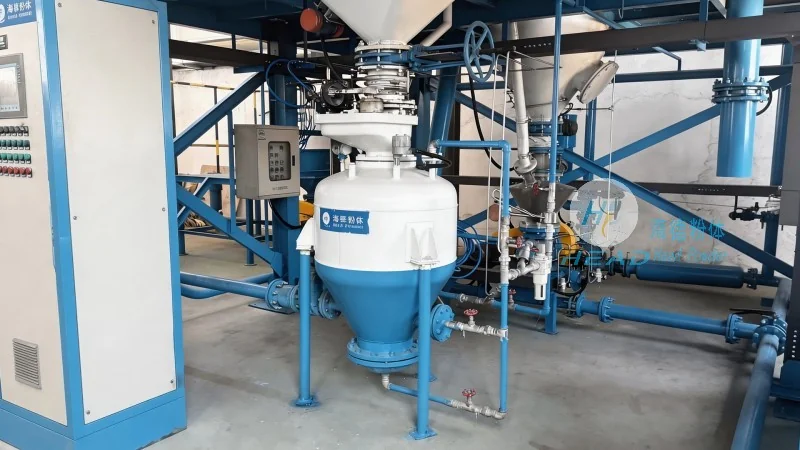
HeadPowder’s pneumatic conveying systems are designed with the latest technology and materials to ensure long-lasting performance. The company uses high-quality stainless steel and other corrosion-resistant materials in the construction of its conveying lines and components, which are resistant to the abrasive nature of wheat bran. The blower and fan systems are engineered to provide consistent air flow, even under varying load conditions, ensuring reliable operation. The separator and filter components are designed to maximize efficiency, minimizing the need for frequent maintenance and cleaning.
HeadPowder’s commitment to quality and customer satisfaction is evident in its comprehensive after-sales service. The company provides technical support and maintenance services to ensure that its systems operate at peak efficiency throughout their service life. By partnering with HeadPowder, businesses can benefit from a reliable and efficient wheat bran pneumatic conveying system that meets their specific requirements and enhances their overall operational performance.

 Shandong Headpowder Engineering Co., Ltd.
 156-6277-7102(Manager Zhang)
  0531-83386006
  Zhangqiu District, Jinan City, Shandong Province, China
telephone
WeChatconsult
top