With more than 10‑year industry experience, Shandong Headpowder delivers full‑service pneumatic‑conveying systems and blowers, undertaking nationwide turn‑key powder‑handling projects.
Welcome to Shandong HeadPowder Engineering Co., Ltd., a leading provider of advanced powder handling solutions. Our company specializes in the design, manufacturing, and implementation of nitrogen-protected pneumatic conveying systems, which are essential for industries requiring safe and efficient powder transport. This article explores the working principle and key features of such systems, highlighting their importance in modern industrial applications.
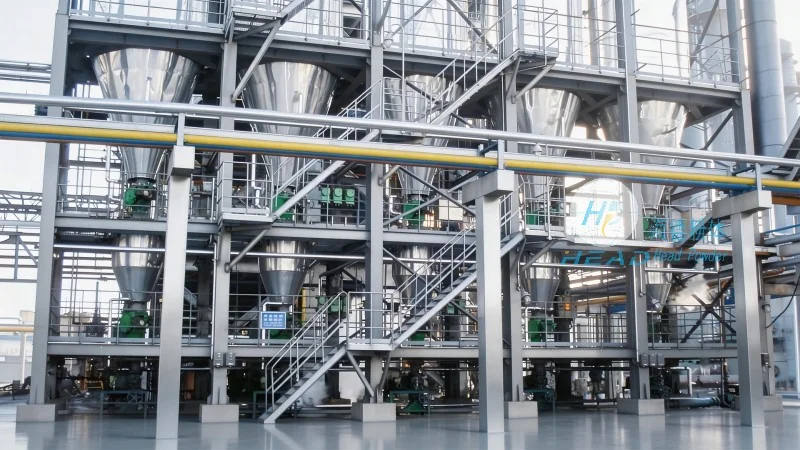
Shandong HeadPowder Engineering Co., Ltd. is headquartered in Shandong, China. As a professional engineering firm, we focus on delivering high-quality, customized powder handling systems tailored to the specific needs of our clients. Our team of experienced engineers and technicians ensures that each project is executed with precision and adherence to industry standards. The company's commitment to innovation and customer satisfaction has established it as a trusted name in the field of pneumatic conveying technology.
The core of a nitrogen-protected powder pneumatic conveying system lies in its ability to transport dry powders through a pipeline using a gas stream, typically air or nitrogen. The system operates by creating a pressure differential between the inlet and outlet of the conveying line. At the inlet, a fan or blower generates the necessary airflow, which is then introduced into the pipeline. The powder is introduced into the system, either by a hopper or a feeder, and is entrained by the moving gas stream. The combination of the gas and powder forms a dense or dilute phase flow, depending on the system design and operational parameters. A critical feature of this system is the use of nitrogen as the protective gas. Nitrogen is introduced into the conveying line to displace oxygen, thereby preventing the oxidation or combustion of the powder during transport. This is particularly important for powders that are sensitive to moisture or air, such as food products, pharmaceuticals, or chemicals that are prone to spontaneous combustion. The nitrogen gas also helps maintain the integrity of the powder, reducing caking or agglomeration that could occur in the presence of air. The system typically includes components such as a hopper, feeder, pipeline, and a receiver, all designed to work in conjunction to ensure efficient and safe powder transfer. The control system monitors and adjusts the airflow and pressure to maintain optimal conveying conditions, ensuring consistent performance and minimal downtime.
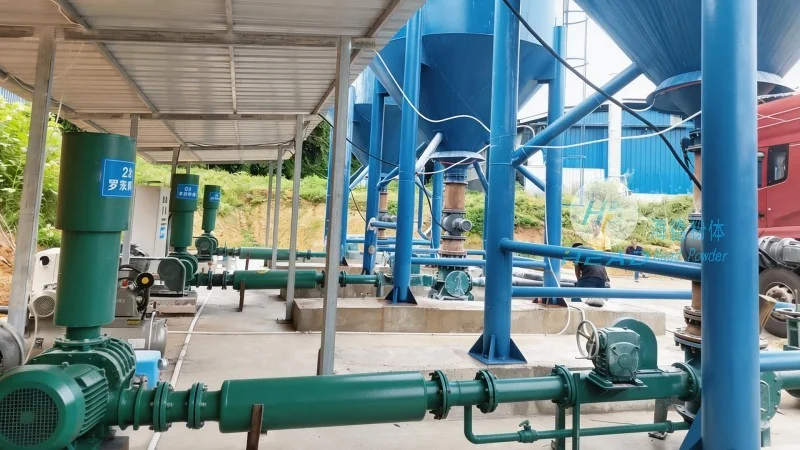
Nitrogen-protected powder pneumatic conveying systems offer several distinct advantages that make them ideal for a wide range of industrial applications. First and foremost, the use of nitrogen provides a high level of safety, especially for powders that are flammable or reactive. By displacing oxygen, the system eliminates the risk of fire or explosion during transport, which is a major concern in industries such as pharmaceuticals, food processing, and chemical manufacturing. This safety feature is complemented by the system's ability to maintain the quality of the powder, as nitrogen prevents moisture absorption and oxidation, which can degrade the product's properties. Another key feature is the efficiency of the system. Pneumatic conveying systems are generally faster and more reliable than traditional methods like bucket elevators or belt conveyors, as they can transport powders over long distances with minimal energy consumption. The system's design allows for flexible layout options, as the pipeline can be installed in various configurations to accommodate the plant's layout and operational requirements. Additionally, the system is relatively easy to maintain, with components that are accessible and replaceable, reducing the overall cost of ownership. The use of nitrogen also enhances the system's environmental performance, as it reduces the emission of dust and particles into the atmosphere compared to other conveying methods. Overall, the nitrogen-protected powder pneumatic conveying system combines safety, efficiency, and reliability, making it a preferred choice for industries that require the transport of sensitive or hazardous powders.
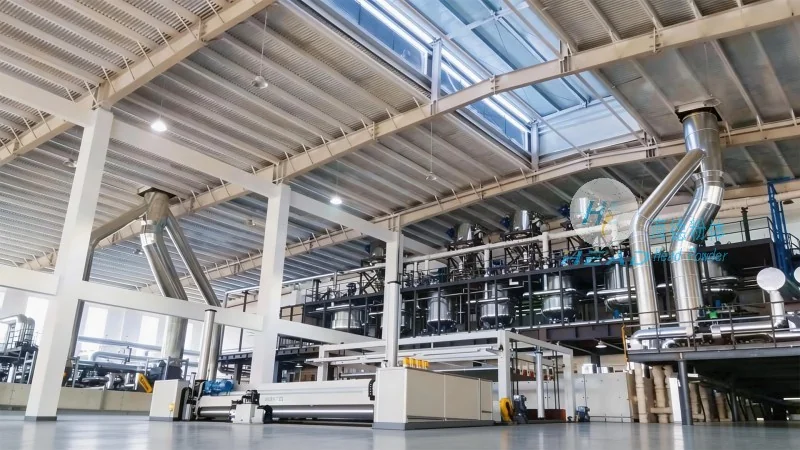
The versatility of nitrogen-protected powder pneumatic conveying systems makes them suitable for a variety of industries. In the pharmaceutical industry, these systems are used to transport active pharmaceutical ingredients (APIs) and excipients, ensuring that the powders remain pure and free from contamination. The nitrogen environment helps maintain the stability of the product, which is critical for compliance with regulatory standards. In the food industry, the system is employed to handle powders such as flour, sugar, and spices, preserving the flavor and quality of the ingredients. The use of nitrogen prevents the absorption of moisture and the growth of bacteria, which can spoil the product. In the chemical industry, the system is used for transporting flammable or reactive powders, such as powders used in the production of plastics or coatings. The nitrogen protection ensures that the powders are handled safely, minimizing the risk of accidents. Other industries that benefit from this technology include the cosmetics industry, where powders are transported to maintain their texture and appearance, and the mining industry, where bulk powders are conveyed from storage to processing facilities. The adaptability of the system allows it to be customized to meet the specific requirements of each application, ensuring optimal performance and efficiency.
In conclusion, nitrogen-protected powder pneumatic conveying systems represent a sophisticated and effective solution for the safe and efficient transport of dry powders. The working principle, which combines pneumatic conveying with nitrogen protection, addresses the critical needs of industries dealing with sensitive or hazardous materials. The key features of these systems, including enhanced safety, product quality preservation, and operational efficiency, make them a valuable asset in modern industrial operations. As a leading provider of such systems, Shandong HeadPowder Engineering Co., Ltd. continues to innovate and improve its solutions to meet the evolving demands of the market. By leveraging advanced technology and a commitment to quality, we ensure that our clients receive systems that are reliable, durable, and tailored to their specific needs. The nitrogen-protected powder pneumatic conveying system is not just a piece of equipment; it is a critical component in maintaining the integrity and safety of powder handling processes, contributing to the overall success of industrial operations.

 Shandong Headpowder Engineering Co., Ltd.
 156-6277-7102(Manager Zhang)
  0531-83386006
  Zhangqiu District, Jinan City, Shandong Province, China
telephone
WeChatconsult
top