With more than 10‑year industry experience, Shandong Headpowder delivers full‑service pneumatic‑conveying systems and blowers, undertaking nationwide turn‑key powder‑handling projects.
Clay sand powder pneumatic conveying is a critical process in industrial material handling, particularly for transporting fine particulate materials like clay sand. This method utilizes air as the conveying medium to move materials from one location to another, offering a flexible and efficient solution for various applications. In this article, we will explore the working principle and key characteristics of clay sand powder pneumatic conveying, providing insights into how this technology operates and its advantages in industrial settings.
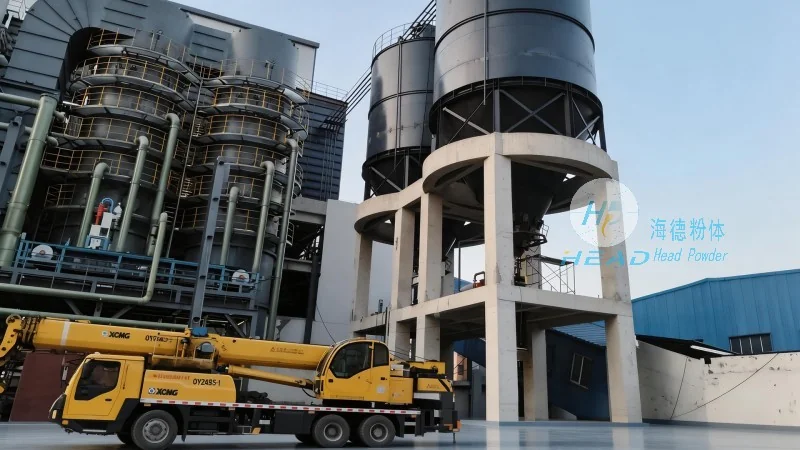
HeadPowder, a leading provider in the field of material handling solutions, specializes in the design, manufacturing, and implementation of advanced pneumatic conveying systems. With a strong presence in China, particularly in Shandong, the company has established itself as a trusted partner for industries requiring reliable and efficient material transport solutions. HeadPowder's expertise lies in tailoring systems to meet specific operational needs, ensuring optimal performance and durability for clay sand and other fine powders.
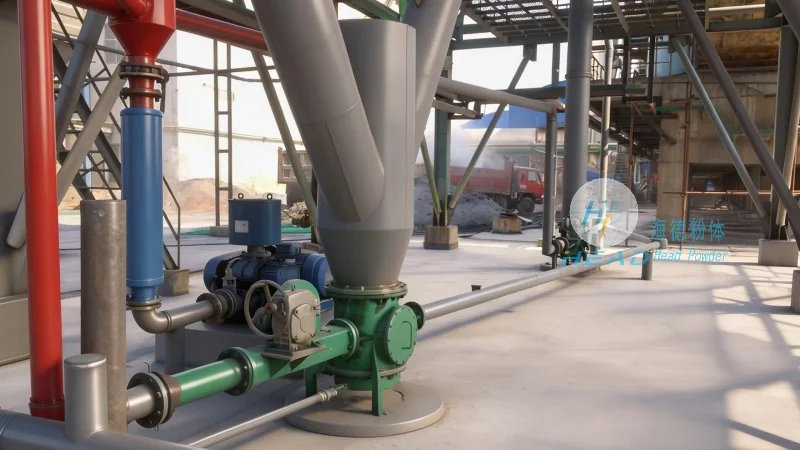
The core mechanism of clay sand powder pneumatic conveying involves the use of a pressurized or vacuum system to transport particulate materials through a pipeline. The process typically begins with the material being fed into a hopper or feeder, where it is then introduced into a conveying line. Air, either under pressure (positive pressure system) or drawn through the line (negative pressure system), carries the clay sand particles along the pipeline. The air velocity is carefully controlled to ensure that the particles remain suspended and are transported without clogging or degradation. Key components in this system include the feeder, air compressor or vacuum pump, pipeline, and discharge device. The feeder ensures a consistent flow of clay sand into the system, while the air source provides the necessary force to move the material. The pipeline, often made of durable materials like stainless steel or plastic, is designed to withstand the abrasive nature of clay sand and maintain air tightness. The discharge device then delivers the material to the destination point, such as a storage silo or processing unit.
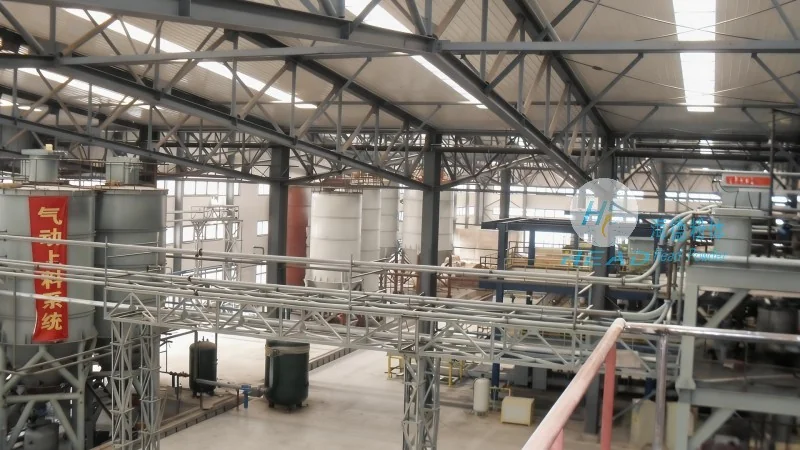
Clay sand powder pneumatic conveying systems exhibit several distinct characteristics that make them suitable for a wide range of industrial applications. One of the primary advantages is the ability to transport materials over long distances without the need for mechanical components like belts or buckets, reducing maintenance and operational costs. The system is also highly flexible, allowing for changes in the conveying route or destination without significant modifications. Additionally, pneumatic conveying can handle materials with varying particle sizes and moisture content, making it versatile for different types of clay sand. Another notable characteristic is the reduced risk of contamination, as the material is enclosed within the pipeline, preventing exposure to external elements. This is particularly important for clay sand used in applications where purity is critical, such as in foundry processes or construction materials. Furthermore, the system can operate in both positive and negative pressure modes, providing flexibility in different operational scenarios. The efficiency of the conveying process is also enhanced by the ability to control air flow and pressure, ensuring optimal material transport with minimal energy consumption.
Clay sand powder pneumatic conveying offers numerous advantages that contribute to its widespread adoption in industrial settings. The primary benefit is the reduction in labor and operational costs, as the system automates the material transport process. This eliminates the need for manual handling, which can be hazardous and inefficient. The system also minimizes material degradation, as the particles are not subjected to mechanical stress during transport. This is crucial for clay sand, which can be sensitive to abrasion and impact. Furthermore, the enclosed pipeline design prevents dust emissions, improving workplace safety and compliance with environmental regulations. The technology is widely used in industries such as foundry, construction, and mining, where clay sand is a key raw material. In foundry applications, for example, pneumatic conveying is used to transport sand for mold making, ensuring consistent quality and reducing waste. In construction, it is used to move clay sand for concrete production and other building materials. The versatility of the system allows it to be adapted to various production scales, from small-scale operations to large industrial plants.
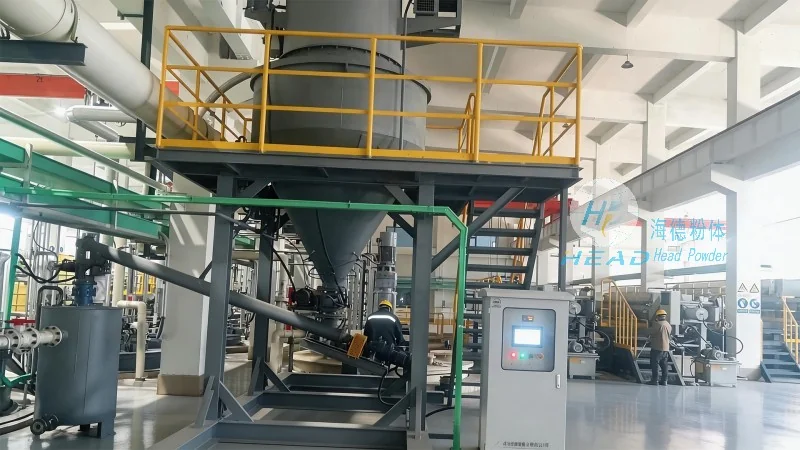
Clay sand powder pneumatic conveying is a sophisticated and efficient method for transporting fine particulate materials. The working principle, which relies on air as the conveying medium, ensures reliable and consistent material transport. The key characteristics, including flexibility, reduced contamination, and adaptability to different materials, make it an ideal solution for various industrial applications. HeadPowder, with its expertise and presence in Shandong, China, continues to provide advanced pneumatic conveying systems that meet the evolving needs of industries. By understanding the working principle and characteristics of this technology, businesses can make informed decisions about implementing efficient material handling solutions, ultimately enhancing productivity and operational efficiency.

 Shandong Headpowder Engineering Co., Ltd.
 156-6277-7102(Manager Zhang)
  0531-83386006
  Zhangqiu District, Jinan City, Shandong Province, China
telephone
WeChatconsult
top