With more than 10‑year industry experience, Shandong Headpowder delivers full‑service pneumatic‑conveying systems and blowers, undertaking nationwide turn‑key powder‑handling projects.
HeadPowder, a leading manufacturer based in Shandong, China, specializes in the design, production, and installation of advanced pneumatic conveying systems for glass fiber cellulose materials. The glass fiber cellulose pneumatic conveying line is a critical piece of equipment in various industrial applications, such as the paper and textile industries, where efficient material handling is essential for maintaining production efficiency and product quality. This system utilizes compressed air to transport glass fiber cellulose particles from one location to another, eliminating the need for traditional mechanical conveyors that may cause material degradation or contamination.
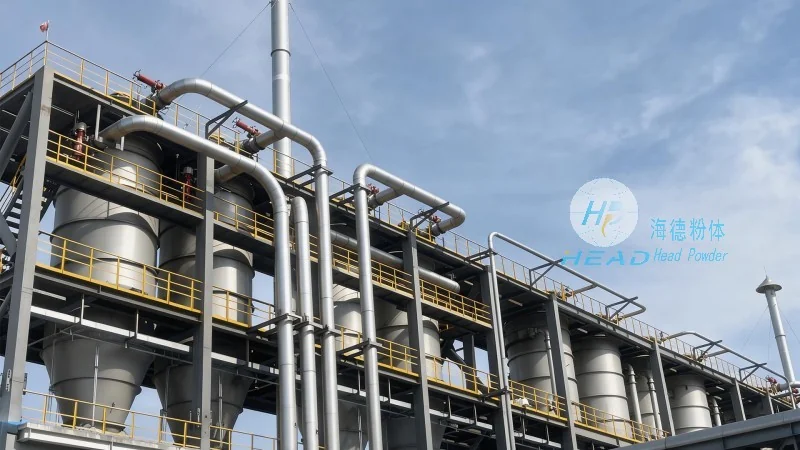
The glass fiber cellulose pneumatic conveying line typically consists of several key components that work in tandem to ensure smooth and reliable operation. These components include a hopper for material storage, a rotary valve or feeder to control the flow of material, a conveying pipe network, a pressure vessel or receiver to collect the material at the destination, and a blower or air compressor to generate the necessary air pressure. Each component plays a crucial role in the overall functionality of the system, and their proper integration is vital for optimal performance.
The operation of the glass fiber cellulose pneumatic conveying line involves a series of steps that ensure the material is transported safely and efficiently. The process begins with the loading of glass fiber cellulose into the hopper. The rotary valve or feeder then regulates the flow of material into the conveying pipe, ensuring a consistent and controlled feed rate. The blower or air compressor generates compressed air, which is introduced into the conveying pipe, creating a flow that propels the glass fiber cellulose particles through the system. As the material travels through the pipe network, it is carried by the air stream, reaching the pressure vessel or receiver at the destination. The pressure vessel then allows the material to settle and be discharged for further processing. Throughout the operation, the system maintains a stable pressure and air flow, minimizing the risk of material blockages or system failures.
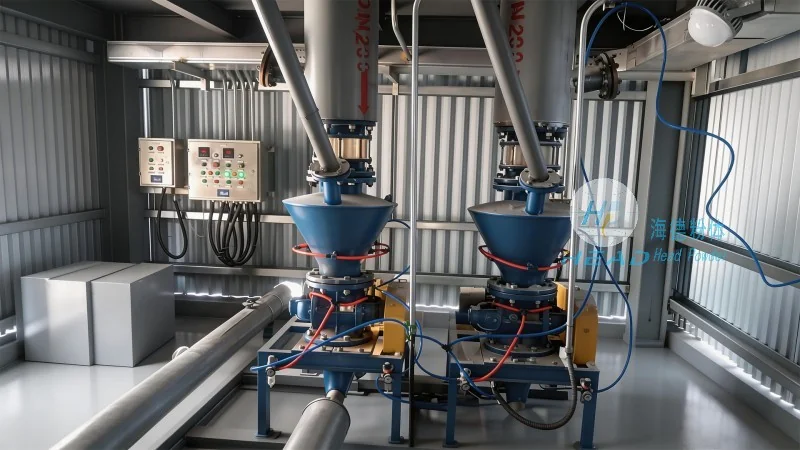
The working principle of the glass fiber cellulose pneumatic conveying line is based on the principle of fluidization and pneumatic transport. The compressed air creates a low-pressure environment within the conveying pipe, which draws the glass fiber cellulose particles into the air stream. The particles are then suspended and transported by the air flow, similar to how particles are carried in a fluid. The velocity of the air and the size of the particles determine the efficiency of the transport. For glass fiber cellulose, which is typically fine and lightweight, the system is designed to maintain a sufficient air velocity to prevent particle settling and ensure smooth transport. The system also incorporates features such as pulse jets or air valves to prevent material buildup and maintain consistent flow, enhancing the overall reliability of the operation.
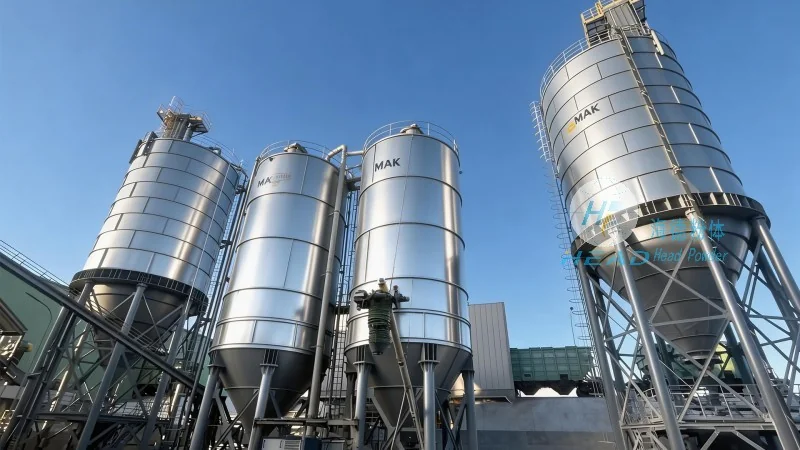
Implementing a glass fiber cellulose pneumatic conveying line offers several advantages over traditional mechanical conveyors. Firstly, it eliminates the need for physical contact between the material and the conveyor components, reducing the risk of contamination and material degradation. This is particularly important for glass fiber cellulose, which is sensitive to moisture and mechanical stress. Secondly, the system provides a more flexible and scalable solution, as the conveying pipe network can be easily adjusted or expanded to accommodate changing production needs. Thirdly, the operation is relatively low-maintenance, as there are fewer moving parts compared to mechanical conveyors, reducing downtime and maintenance costs. Additionally, the system can be integrated with other industrial processes, such as dust collection and material storage, to create a comprehensive material handling solution.
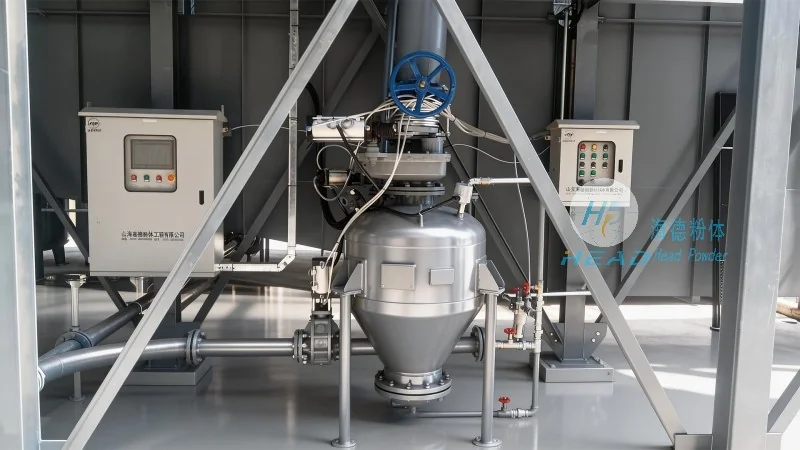
Glass fiber cellulose pneumatic conveying lines are widely used in various industries that require the handling of fine, lightweight materials. The paper industry, for example, uses these systems to transport glass fiber cellulose from storage to processing equipment, ensuring a consistent supply of raw materials. The textile industry also benefits from these systems, as they help in the efficient handling of glass fiber cellulose used in the production of non-woven fabrics and other textile products. Other industries, such as construction and filtration, also utilize glass fiber cellulose, and the pneumatic conveying line provides an effective solution for material transport in these applications.
HeadPowder's glass fiber cellulose pneumatic conveying line is a reliable and efficient solution for material handling in various industrial applications. By leveraging the principles of pneumatic transport, the system ensures the safe and effective movement of glass fiber cellulose particles, while minimizing the risk of contamination and degradation. With its advanced design and components, the system offers several advantages over traditional mechanical conveyors, making it an ideal choice for industries that require high-quality material handling solutions. Based in Shandong, China, HeadPowder continues to innovate and provide customized solutions to meet the diverse needs of its clients, ensuring that the glass fiber cellulose pneumatic conveying line remains a key component in modern industrial operations.

 Shandong Headpowder Engineering Co., Ltd.
 156-6277-7102(Manager Zhang)
  0531-83386006
  Zhangqiu District, Jinan City, Shandong Province, China
telephone
WeChatconsult
top