With more than 10‑year industry experience, Shandong Headpowder delivers full‑service pneumatic‑conveying systems and blowers, undertaking nationwide turn‑key powder‑handling projects.
Shandong HeadPowder Engineering Co., Ltd., commonly known as headpowder, is a leading provider of advanced pneumatic conveying systems for catalyst powders. Headquartered in Shandong, China, the company specializes in the design, manufacturing, and installation of high-efficiency, reliable, and safe systems tailored for the chemical and petrochemical sectors. These systems are engineered to handle the unique challenges of catalyst powders, which are often fine, abrasive, and sensitive to moisture, requiring specialized equipment to ensure minimal degradation and loss during transport.
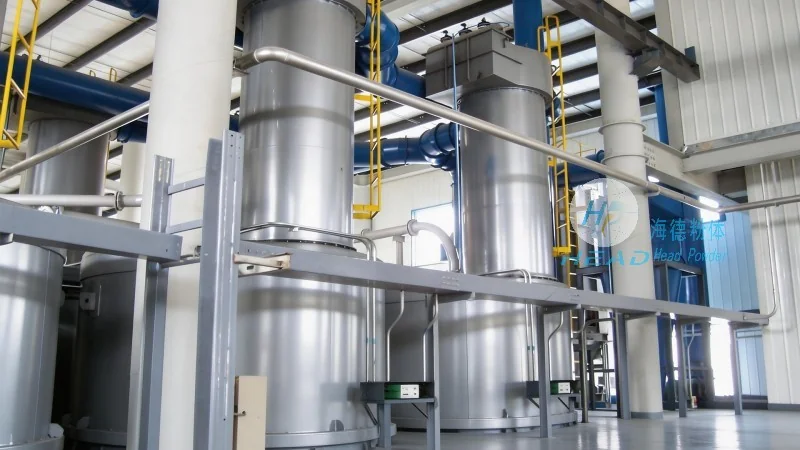
The fundamental principle behind a catalyst powder pneumatic conveying line is the use of air pressure to move bulk materials through a pipeline. This method, known as pneumatic conveying, operates by creating a flow of air that carries the catalyst particles. The system typically consists of several key components: a hopper for material storage, a feeder to control the discharge rate, a compressor or blower to generate the conveying air, and a receiver to collect the delivered material. The air is introduced into the conveying line at a high pressure, creating a differential pressure that propels the catalyst particles forward. The air stream is designed to maintain a stable velocity, ensuring that the particles are transported without excessive abrasion or segregation. This air-powder mixture travels through the pipeline, with the air providing the necessary kinetic energy to overcome the resistance of the particles and the pipeline walls. The system can be either positive pressure (where air is blown into the line) or negative pressure (where air is drawn out), depending on the application and the distance of the conveying line.
Each component in a catalyst powder pneumatic conveying line plays a crucial role in ensuring efficient and reliable operation. The storage hopper is designed to hold a large quantity of catalyst powder, with a smooth interior to prevent material buildup and caking. The feeder, often a rotary valve or a screw feeder, regulates the flow rate of the powder into the conveying line, preventing overloading and maintaining a consistent feed. The compressor or blower is responsible for generating the air pressure, with the capacity adjusted based on the volume of material to be transported and the length of the pipeline. The pipeline itself is typically made of materials resistant to corrosion and abrasion, such as stainless steel or polyethylene, to withstand the harsh conditions of catalyst powders. The receiver at the end of the line collects the delivered material, with a dust collection system to capture any particles that may escape during the process. Sensors and control systems are integrated into the system to monitor parameters such as pressure, flow rate, and material level, allowing for real-time adjustments and preventing operational issues.
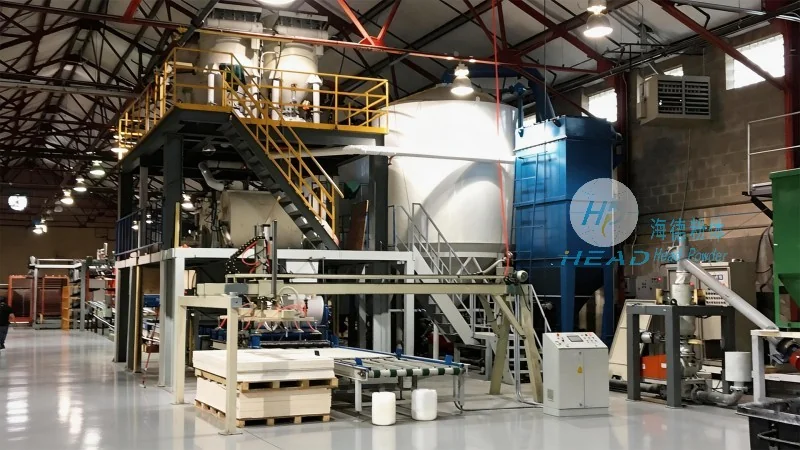
The operation of a catalyst powder pneumatic conveying line begins with the loading of the catalyst powder into the storage hopper. The feeder then starts, controlling the amount of material released into the conveying line at a predetermined rate. The compressor or blower is activated, generating the required air pressure to create the conveying air stream. As the air flows through the pipeline, it picks up the catalyst particles from the feeder and transports them to the destination point, such as a reactor or a storage silo. The system maintains a stable pressure and flow rate throughout the process, ensuring that the powder is delivered without blockages or uneven distribution. At the receiving end, the air and powder mixture passes through a separator, where the air is filtered and discharged, while the catalyst powder is collected in the receiver. The entire process is automated, with control systems adjusting the feeder speed and compressor output based on feedback from sensors. This automation ensures consistent performance and minimizes the risk of human error, making the system highly reliable for continuous industrial operations.
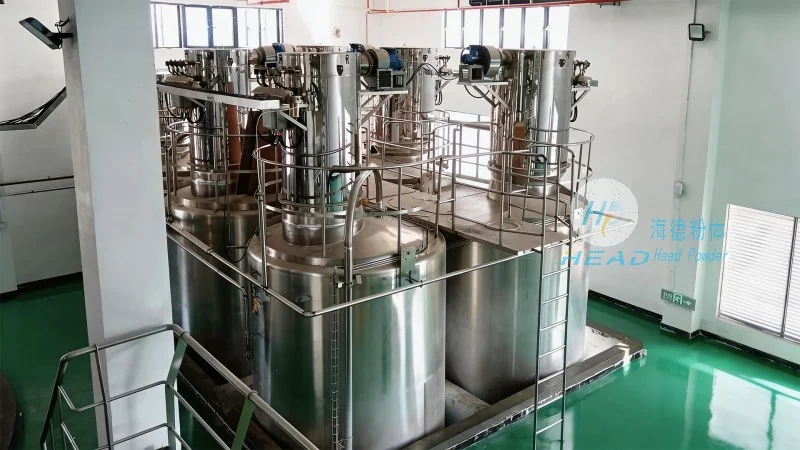
Compared to traditional mechanical conveying methods, such as belt conveyors or bucket elevators, pneumatic conveying offers several advantages for handling catalyst powders. First, it eliminates the need for mechanical components, reducing maintenance costs and increasing operational safety. The absence of moving parts also minimizes the risk of material contamination, which is critical for catalyst powders that are sensitive to impurities. Second, pneumatic conveying can handle a wide range of particle sizes and densities, making it suitable for various types of catalysts. The system can transport materials over long distances with minimal loss, and the air pressure can be adjusted to accommodate different material characteristics. Third, the process is enclosed, preventing dust emissions and ensuring compliance with environmental regulations. This enclosed design also improves workplace safety by reducing exposure to airborne particles. Finally, the system is highly flexible, allowing for easy integration with existing industrial processes and the ability to modify the conveying line for different applications.
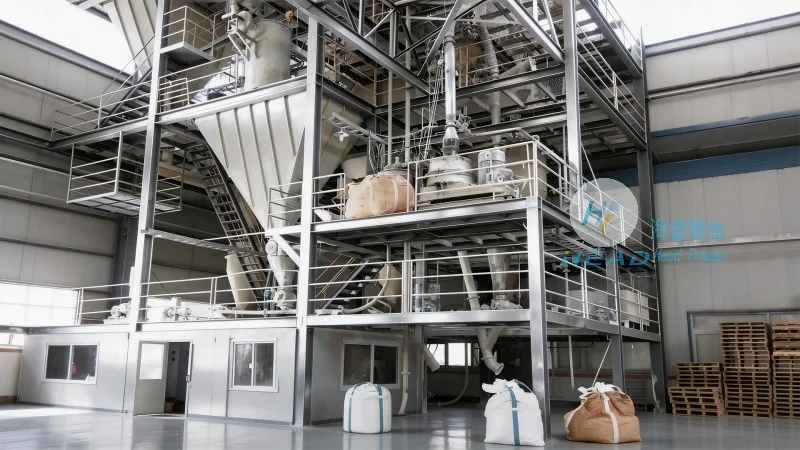
Catalyst powder pneumatic conveying lines are widely used in various industries that rely on catalysts for chemical reactions. In the chemical industry, these systems are used to transport catalysts to reactors, where they facilitate the conversion of raw materials into desired products. The petrochemical industry also utilizes pneumatic conveying for catalyst handling in processes such as cracking and reforming. Other applications include the pharmaceutical industry, where catalysts are used in the synthesis of active pharmaceutical ingredients, and the food industry, where catalysts are used in the production of flavor enhancers and other additives. The versatility of the system makes it suitable for a wide range of industrial applications, from small-scale laboratory operations to large-scale manufacturing plants.
Shandong HeadPowder Engineering Co., Ltd. provides advanced catalyst powder pneumatic conveying lines that are designed to meet the demanding requirements of industrial applications. By leveraging the principles of pneumatic conveying, these systems offer efficient, reliable, and safe transportation of catalyst powders, ensuring minimal degradation and loss during the process. With a focus on quality and innovation, headpowder continues to develop cutting-edge solutions for the handling of catalyst powders, supporting the growth and efficiency of industries worldwide.

 Shandong Headpowder Engineering Co., Ltd.
 156-6277-7102(Manager Zhang)
  0531-83386006
  Zhangqiu District, Jinan City, Shandong Province, China
telephone
WeChatconsult
top