With more than 10‑year industry experience, Shandong Headpowder delivers full‑service pneumatic‑conveying systems and blowers, undertaking nationwide turn‑key powder‑handling projects.
The anhydrous aluminum chloride pneumatic conveying line is a specialized system designed for the efficient and safe transportation of anhydrous aluminum chloride, a critical chemical used in various industrial applications such as chemical synthesis, water treatment, and metal processing. This system combines advanced pneumatic conveying technology with robust engineering to ensure reliable material handling while maintaining product integrity. As a key component in industrial material transport, the operation of this line involves precise control of air flow, pressure, and material feed to achieve optimal performance.
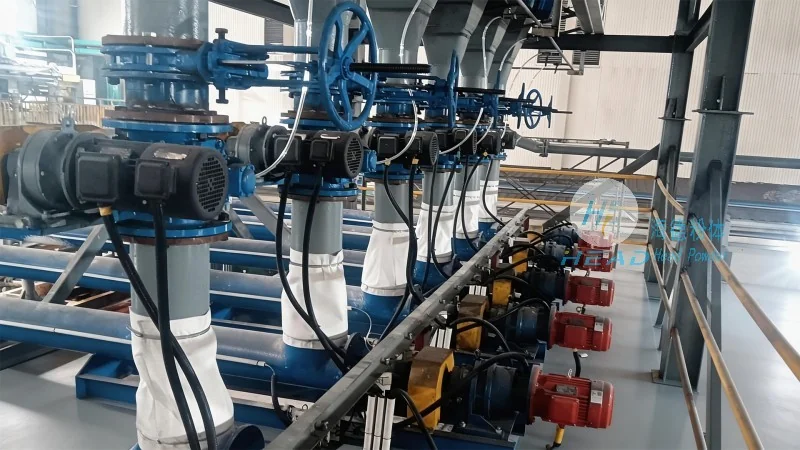
HeadPowder, or Shandong HeadPowder Engineering Co., Ltd., is a leading manufacturer and supplier of industrial material handling solutions. With a strong focus on innovation and quality, the company specializes in designing and manufacturing pneumatic conveying systems tailored to meet the unique needs of clients in the chemical, pharmaceutical, and food industries. HeadPowder's commitment to excellence is reflected in its state-of-the-art manufacturing facilities, experienced technical team, and comprehensive after-sales support. The company's headquarters is located in Shandong, China, where it serves a global clientele with customized solutions that enhance operational efficiency and safety.
The core of the anhydrous aluminum chloride pneumatic conveying line is the pneumatic conveying mechanism, which utilizes compressed air to transport the material from the source to the destination. The system typically consists of several key components, including a material hopper, a rotary airlock valve, a conveying pipeline, and a receiver or discharge unit. The process begins with the material being fed into the hopper from a storage silo or bulk container. The rotary airlock valve then regulates the flow of material into the pipeline, ensuring a consistent and controlled feed rate. Compressed air is introduced into the pipeline at a specific pressure and velocity, creating a flow that carries the aluminum chloride particles through the system. The air and material mixture travels through the pipeline to the receiving end, where a separator or cyclone separates the material from the air. The separated material is then discharged into the target container, while the air is either filtered and recycled or vented to the atmosphere.
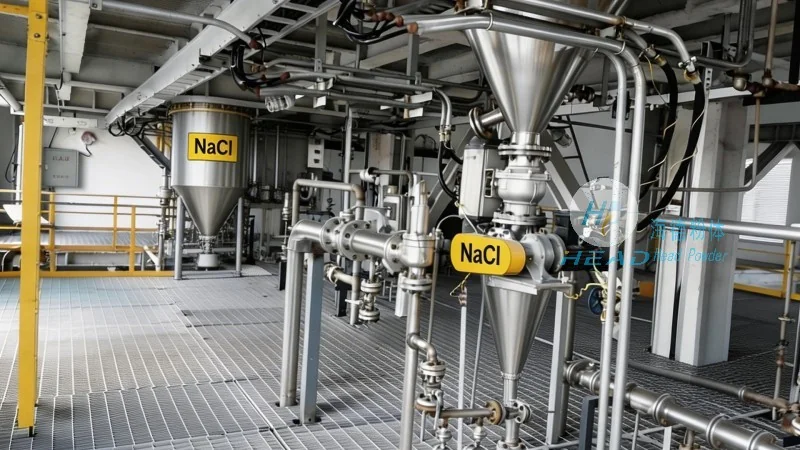
The operation of the anhydrous aluminum chloride pneumatic conveying line follows a systematic sequence to ensure smooth and efficient material transport. Initially, the system is prepared by checking the air compressor and pipeline for any obstructions or leaks. The material hopper is then filled with the required amount of anhydrous aluminum chloride, and the rotary airlock valve is set to the appropriate flow rate. The air compressor is started, and compressed air is supplied to the pipeline at the designated pressure. As the air flows through the system, it creates a positive pressure that pulls the material from the hopper into the pipeline. The material is then conveyed to the receiving end, where it is collected in the discharge container. The system continues to operate until the hopper is empty or the required amount of material has been transported. At the end of the operation, the air compressor is shut down, and the system is cleaned to remove any residual material or debris.
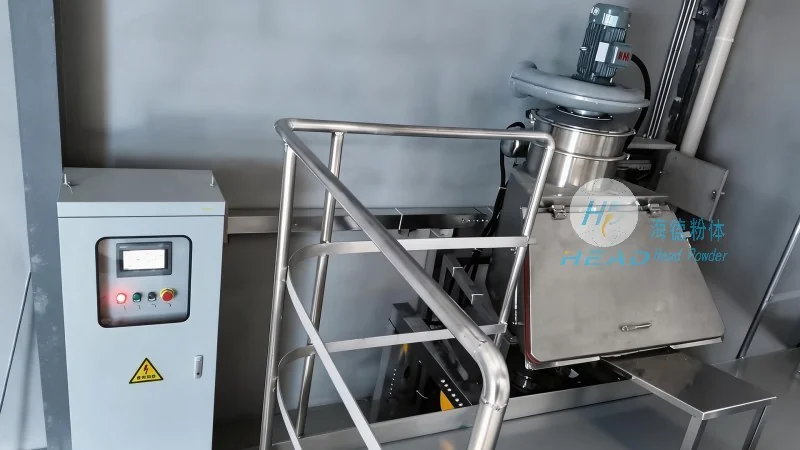
The anhydrous aluminum chloride pneumatic conveying line offers several advantages that make it an ideal choice for industrial applications. One of the primary benefits is the ability to transport the material in a closed system, which prevents contamination from dust, moisture, or other environmental factors. This closed system also enhances safety by reducing the risk of exposure to the material for operators. Additionally, the system is highly efficient, with minimal material loss and low energy consumption compared to traditional bulk handling methods. The compact design of the system allows for easy integration into existing industrial facilities, and the modular components enable easy maintenance and repair. The system's reliability and durability ensure long-term performance, reducing downtime and maintenance costs for the end-user.
The anhydrous aluminum chloride pneumatic conveying line is widely used in various industrial sectors due to its versatility and efficiency. In the chemical industry, it is commonly used to transport anhydrous aluminum chloride for the production of aluminum salts and other chemical products. In water treatment applications, the system is used to convey the chemical for water purification processes, ensuring consistent and reliable treatment. The system is also used in metal processing industries for the transport of aluminum chloride used in metal finishing and coating processes. In each of these applications, the system's ability to handle the material safely and efficiently contributes to improved productivity and product quality.

 Shandong Headpowder Engineering Co., Ltd.
 156-6277-7102(Manager Zhang)
  0531-83386006
  Zhangqiu District, Jinan City, Shandong Province, China
telephone
WeChatconsult
top