With more than 10‑year industry experience, Shandong Headpowder delivers full‑service pneumatic‑conveying systems and blowers, undertaking nationwide turn‑key powder‑handling projects.
Refractory material pneumatic conveying lines are essential industrial systems designed to transport refractory powders and granules efficiently and safely. These systems utilize air as the primary medium to move materials from one location to another, offering advantages such as reduced dust generation, improved process control, and enhanced operational flexibility compared to traditional mechanical conveying methods. The operation of these lines involves a series of coordinated steps and mechanical components that work together to ensure reliable material transfer. Understanding the operation process and working principle is crucial for optimizing performance, maintaining equipment, and ensuring compliance with safety and environmental standards.
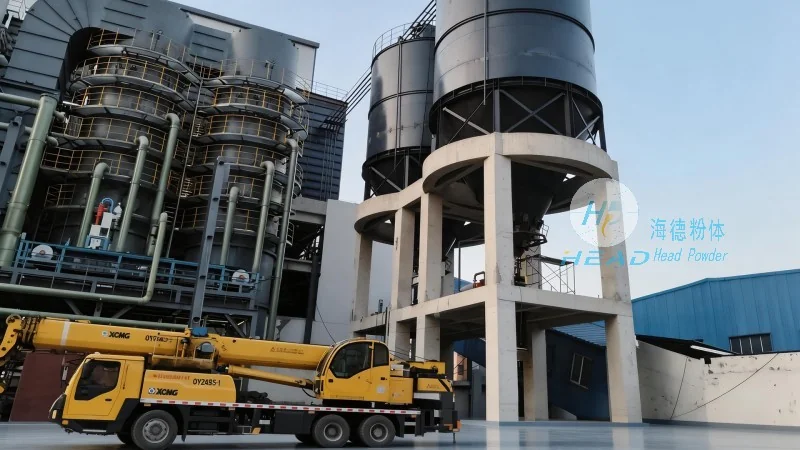
Shandong HeadPowder Engineering Co., Ltd., commonly known as HeadPowder, is a leading manufacturer and supplier of advanced pneumatic conveying systems tailored for the refractory industry. With a strong focus on innovation and customer satisfaction, HeadPowder has established itself as a trusted partner in providing high-quality solutions for material handling challenges. The company’s headquarters is located in Shandong, China, where it leverages local expertise and resources to develop cutting-edge technologies that meet the evolving demands of the refractory sector.
The core components of a refractory material pneumatic conveying line typically include a material hopper, a feeder (often a rotary valve or screw feeder), a conveying pipeline, a dust collector, and a receiver. Each component plays a critical role in the overall system operation. The material hopper stores the refractory material and provides a consistent feed to the feeder. The feeder regulates the flow rate of the material into the pipeline, ensuring stable and controlled conveying. The conveying pipeline, usually made of stainless steel or other corrosion-resistant materials, transports the material and air mixture. The dust collector captures any airborne particles, improving air quality and preventing environmental contamination. The receiver collects the conveyed material at the destination point, completing the transfer process.
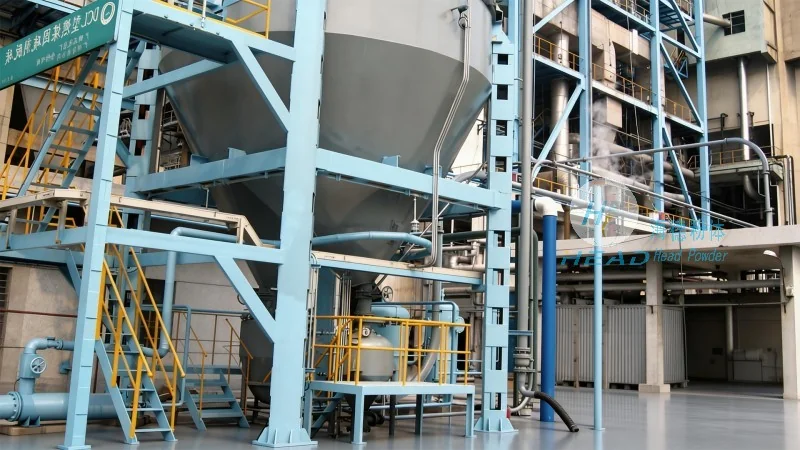
The working principle of a refractory material pneumatic conveying line is based on the use of compressed air to create a flow that moves the material through the system. There are two main types of pneumatic conveying: dilute-phase and dense-phase. Dilute-phase conveying uses high-velocity air to suspend the material particles in the air stream, allowing them to travel through the pipeline efficiently. Dense-phase conveying, on the other hand, uses lower air velocities and higher material concentrations, resulting in a more controlled and gentle transfer of the material. The choice between these two methods depends on factors such as material properties, distance, and required flow rates. In both cases, the system operates by creating a pressure differential between the hopper and the receiver, driving the material along the pipeline.
The operation process of a refractory material pneumatic conveying line involves several sequential steps that ensure smooth and continuous material transfer. First, the refractory material is loaded into the material hopper. The feeder then starts to discharge the material at a controlled rate into the conveying pipeline. Simultaneously, compressed air is introduced into the system, creating a pressure that propels the material forward. As the material travels through the pipeline, it is suspended by the air stream and transported to the receiver. The dust collector continuously removes any airborne particles, maintaining clean air and preventing dust accumulation. Once the material reaches the receiver, it is collected and prepared for further processing or use. The system typically includes control mechanisms to monitor pressure, flow rate, and material levels, allowing for real-time adjustments to optimize performance and prevent issues such as blockages or air leaks.
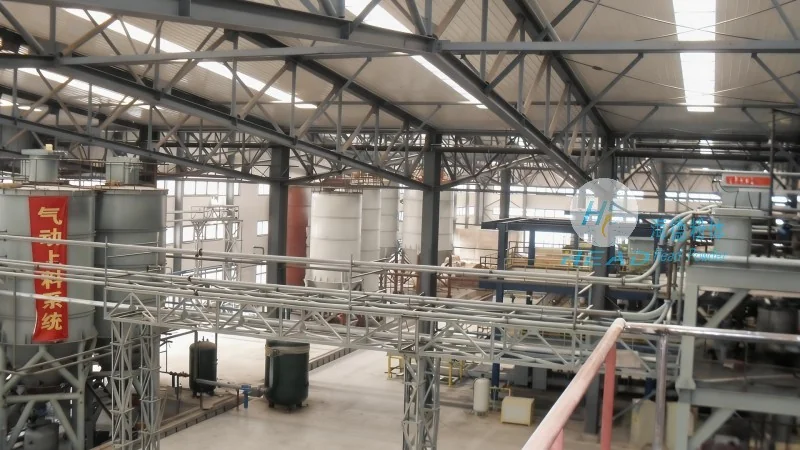
Refractory material pneumatic conveying lines offer several advantages over traditional mechanical conveying methods. These include reduced labor costs due to automated operation, lower maintenance requirements, and improved safety by minimizing manual handling of powders. Additionally, the systems provide better control over material flow, which is crucial for maintaining consistent quality in refractory products. However, there are also considerations to keep in mind, such as the need for proper air filtration to comply with environmental regulations and the importance of regular maintenance to prevent system failures. The choice of system design (dilute-phase or dense-phase) and material handling equipment (hoppers, feeders, and pipelines) should be carefully evaluated based on the specific characteristics of the refractory material and the operational requirements of the facility.
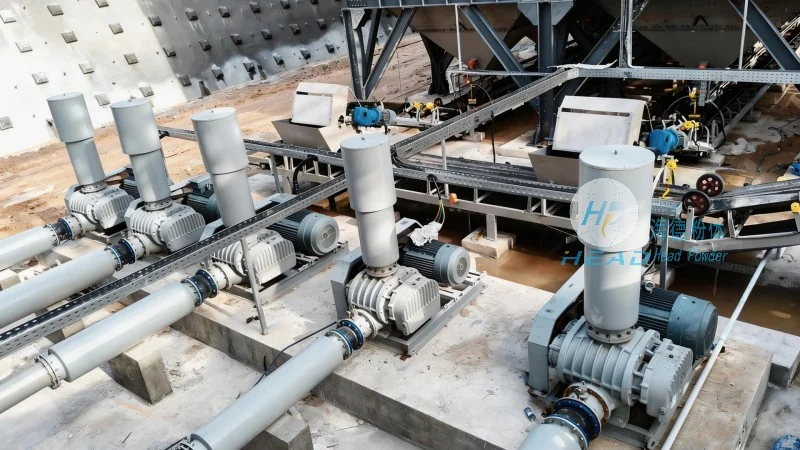
Regular maintenance is essential to ensure the reliable operation of refractory material pneumatic conveying lines. Key maintenance tasks include inspecting and cleaning the material hopper and feeder to prevent material buildup and blockages, checking the condition of the conveying pipeline for any signs of wear or damage, and maintaining the performance of the dust collector. Additionally, the compressed air system should be regularly checked for pressure and flow consistency to ensure optimal conveying performance. Troubleshooting common issues such as air leaks, material clogging, or poor dust collection can help identify and resolve problems quickly, minimizing downtime and maintaining system efficiency. HeadPowder provides comprehensive maintenance services and technical support to help clients optimize their pneumatic conveying systems and address any operational challenges.
Refractory material pneumatic conveying lines are sophisticated industrial systems that play a vital role in the efficient handling of refractory materials. By understanding the operation process and working principle, as well as the key components and maintenance considerations, users can maximize the performance and longevity of these systems. Shandong HeadPowder Engineering Co., Ltd. continues to innovate and provide high-quality solutions tailored to the needs of the refractory industry, ensuring that clients have reliable and efficient material handling systems for their operations.

 Shandong Headpowder Engineering Co., Ltd.
 156-6277-7102(Manager Zhang)
  0531-83386006
  Zhangqiu District, Jinan City, Shandong Province, China
telephone
WeChatconsult
top