With more than 10‑year industry experience, Shandong Headpowder delivers full‑service pneumatic‑conveying systems and blowers, undertaking nationwide turn‑key powder‑handling projects.
Shandong HeadPowder Engineering Co., Ltd. is a leading provider of specialized pneumatic conveying solutions, particularly for handling Polyvinyl Chloride (PVC) materials. These systems are engineered to efficiently transport PVC powders and granules across various industrial applications, ensuring high reliability, minimal product loss, and compliance with industry standards. The company’s expertise lies in designing customized systems that address the unique challenges associated with PVC, such as its abrasive nature and potential for dust generation. By leveraging advanced technology and robust engineering, HeadPowder delivers pneumatic conveying lines that enhance operational efficiency and product quality.
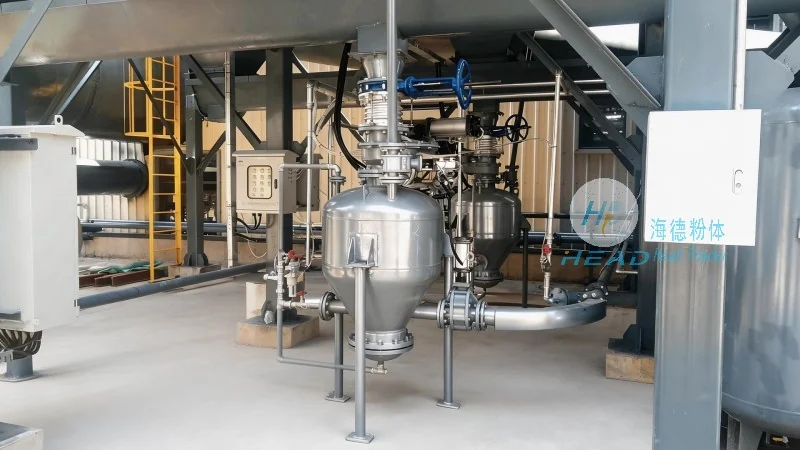
The PVC pneumatic conveying line comprises several critical components that work in concert to achieve effective material transport. The material hopper serves as the primary storage and feeding unit, equipped with a rotary valve or screw feeder to regulate the discharge rate. This component ensures a consistent flow of PVC material into the conveying pipeline, preventing overloading or underfeeding. The conveying pipeline is typically constructed from stainless steel or other corrosion-resistant materials, as PVC particles can be abrasive and may cause wear on standard piping. The pipeline is designed with smooth interior surfaces to minimize friction and reduce the risk of material buildup. A positive displacement blower or air compressor provides the necessary air pressure to move the material through the system. The blower is selected based on the required air volume and pressure, ensuring sufficient velocity to keep the PVC particles in suspension. Additionally, a filter system is integrated to capture fine particles and return clean air to the environment, maintaining air quality and compliance with environmental regulations. The system may also include a receiver or discharge hopper at the end of the line to collect the conveyed material, with a discharge valve to control the release of the material.
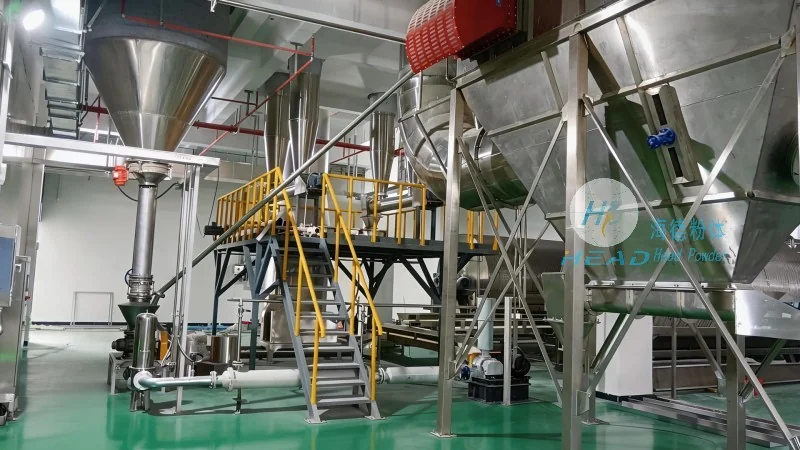
The operation of a PVC pneumatic conveying line is based on the principle of air suspension, where the material is suspended in a high-velocity air stream and transported through the pipeline. The process begins with the material being fed from the hopper into the conveying pipeline. As the air is introduced by the blower, it creates a low-pressure zone that draws the PVC particles into the air stream. The air velocity is maintained at a level sufficient to keep the particles in suspension, preventing them from settling or clogging the pipeline. The material travels through the pipeline to the receiving hopper, where the air is separated from the material, typically through a cyclone separator or filter. The separated air is then discharged, while the PVC material is collected in the receiver for further processing or packaging. The system continuously monitors the pressure and flow rates to maintain optimal performance, adjusting the air pressure or feeding rate as needed to prevent system inefficiencies or blockages.
The operational flow of a PVC pneumatic conveying system involves several sequential steps that ensure smooth and continuous material transport. First, the material is loaded into the hopper, and the rotary valve or feeder is activated to control the discharge rate. The blower then starts, generating the required air pressure to initiate the conveying process. As the air flows through the pipeline, it carries the PVC particles from the hopper to the receiving end. The system continuously monitors the pressure and flow rates to maintain optimal performance. If any blockages occur, the system may automatically adjust the air pressure or feeding rate to prevent system failure. The process concludes when the material is fully transferred to the receiver, and the system can be shut down or prepared for the next batch of material. The entire process is designed to be automated, reducing the need for manual intervention and enhancing operational consistency.
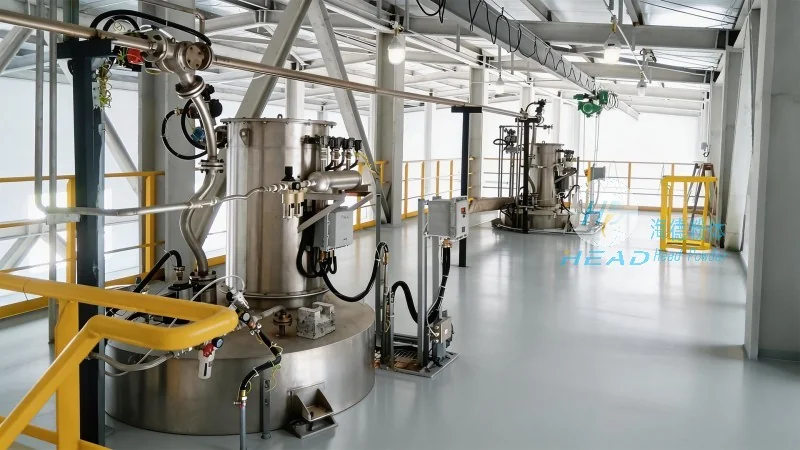
Using pneumatic conveying for PVC materials offers several advantages over traditional mechanical conveying methods. The primary benefit is the ability to transport materials over long distances without the need for multiple transfer points or intermediate storage. This reduces the risk of material contamination and improves overall system efficiency. Additionally, the system minimizes product degradation, as the material is not subjected to friction or impact during transport. The enclosed pipeline design also prevents dust emissions, enhancing workplace safety and compliance with environmental standards. Furthermore, the system can be easily integrated with other processing equipment, such as mixers or extruders, to streamline production workflows. The flexibility of pneumatic conveying allows for adjustments in material flow rates and pipeline lengths, making it suitable for a wide range of industrial applications. Overall, the use of PVC pneumatic conveying systems enhances productivity, reduces operational costs, and ensures consistent product quality.

 Shandong Headpowder Engineering Co., Ltd.
 156-6277-7102(Manager Zhang)
  0531-83386006
  Zhangqiu District, Jinan City, Shandong Province, China
telephone
WeChatconsult
top