With more than 10‑year industry experience, Shandong Headpowder delivers full‑service pneumatic‑conveying systems and blowers, undertaking nationwide turn‑key powder‑handling projects.
Shandong HeadPowder Engineering Co., Ltd., a leading enterprise in the field of activated carbon technology and processing systems, is headquartered in Shandong, China. The company specializes in the development, production, and application of advanced activated carbon products and their associated conveying systems, providing comprehensive solutions for industrial purification and material handling needs.
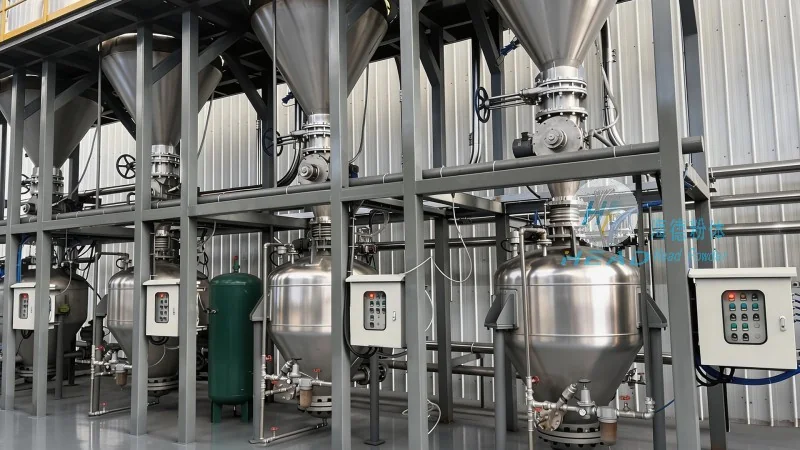
Activated carbon, as a core material in various industrial applications, exhibits distinct technical parameters that define its performance and suitability for specific processes. The key parameters include but are not limited to surface area, pore structure, adsorption capacity, and mechanical strength. For instance, the specific surface area of high-quality activated carbon typically ranges from 800 to 1500 m²/g, with micropores accounting for the majority of the total pore volume, which is crucial for effective adsorption of organic and inorganic contaminants. The pore size distribution, often characterized by a combination of micropores (diameter <2 nm), mesopores (2-50 nm), and macropores (>50 nm), directly impacts the rate and capacity of adsorption. Additionally, the density and hardness of the activated carbon particles influence their handling characteristics during transportation and processing. These parameters are meticulously controlled through advanced manufacturing processes such as physical activation (e.g., steam or carbon dioxide activation) or chemical activation (e.g., using phosphoric acid or zinc chloride), ensuring consistent quality and performance across different applications.
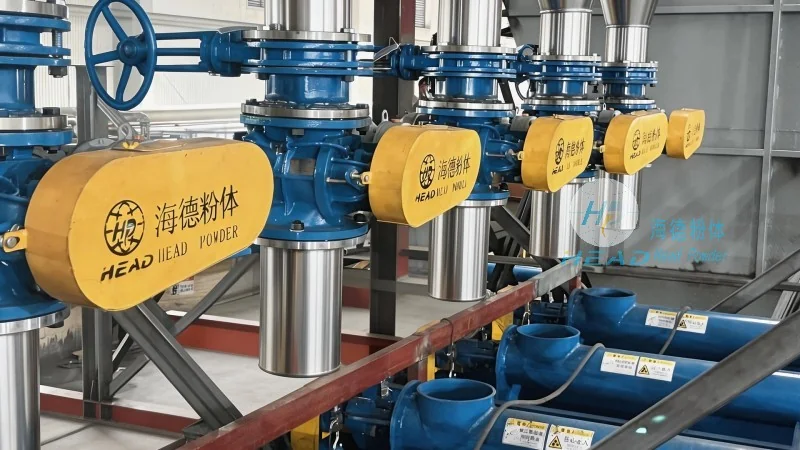
The conveying system for activated carbon is designed to efficiently transport the material from storage to processing units or end-use applications, minimizing material loss and ensuring consistent flow. The system typically integrates several components, including storage silos, feeding mechanisms, conveying equipment (such as pneumatic or mechanical conveyors), and control systems. Pneumatic conveying systems, which utilize air as the transport medium, are widely adopted due to their ability to handle fine powders like activated carbon without the need for mechanical contact, thus reducing abrasion and particle degradation. The system operates by generating a negative pressure or positive pressure airflow that draws or pushes the activated carbon particles through a network of pipes and ducts. Key parameters in the design of the conveying system include the air velocity, particle size, and moisture content of the material, as these factors affect the system's efficiency and energy consumption. For example, the air velocity is often maintained within a range of 15 to 25 m/s to ensure stable particle suspension and prevent clogging. The conveying system also incorporates features such as dust collection and filtration to comply with environmental regulations and maintain air quality. The control system monitors and adjusts the flow rate, pressure, and other variables in real-time, ensuring smooth operation and preventing overloading or underloading of the equipment.
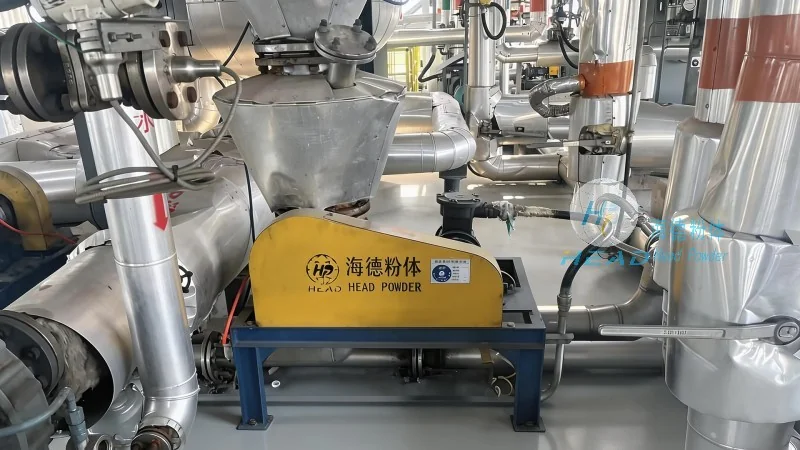
The combination of optimized technical parameters for activated carbon and a reliable conveying system offers significant advantages in industrial applications. In water treatment, the high adsorption capacity of activated carbon, coupled with efficient transportation, enables rapid and effective removal of organic pollutants, heavy metals, and other contaminants from water streams. In air purification, the system ensures consistent delivery of activated carbon to filters, enhancing the efficiency of air cleaning systems in industrial and commercial settings. Additionally, in the pharmaceutical and food industries, the precise control over particle size and purity, facilitated by the conveying system, is critical for meeting stringent quality standards. The low maintenance requirements and energy efficiency of the system also contribute to cost savings and environmental sustainability. Overall, the technical parameters and conveying system process developed by Shandong HeadPowder Engineering Co., Ltd. provide a robust solution for industries seeking reliable and effective activated carbon handling and purification technologies.

 Shandong Headpowder Engineering Co., Ltd.
 156-6277-7102(Manager Zhang)
  0531-83386006
  Zhangqiu District, Jinan City, Shandong Province, China
telephone
WeChatconsult
top