With more than 10‑year industry experience, Shandong Headpowder delivers full‑service pneumatic‑conveying systems and blowers, undertaking nationwide turn‑key powder‑handling projects.
For industrial applications requiring reliable handling of phenolic resin powder, understanding the technical specifications and the corresponding conveying system processes is crucial. This document provides an overview of the key technical parameters of phenolic resin powder and the recommended conveying system processes to ensure efficient material transport and processing. The information is presented by Shandong HeadPowder Engineering Co., Ltd., a leading provider of specialized powder handling solutions based in Shandong, China.
Shandong HeadPowder Engineering Co., Ltd., commonly known as HeadPowder, is a professional enterprise specializing in the research, development, and application of powder handling technologies. With a strong focus on quality and innovation, the company serves a wide range of industries including automotive, electronics, and construction. HeadPowder is headquartered in Shandong, China, and is committed to delivering high-performance solutions for powder processing challenges.
Phenolic resin powder, also known as Bakelite powder, is a thermosetting plastic material widely used in various manufacturing processes. The technical parameters of this powder directly impact its handling characteristics and the efficiency of the conveying system. Key parameters include particle size distribution, bulk density, moisture content, and flowability. For optimal performance, the particle size is typically controlled within a specific range to ensure consistent flow and prevent clogging in the conveying system. The bulk density of phenolic resin powder usually falls between 0.8 to 1.2 g/cm³, which affects the volumetric flow rate and the power requirements of the conveying equipment. Moisture content is kept below 0.5% to avoid degradation and ensure the material's stability during storage and transport. Flowability, often measured by the angle of repose, is critical for preventing bridging and rat-holing in storage silos and hoppers, which can disrupt the conveying process.
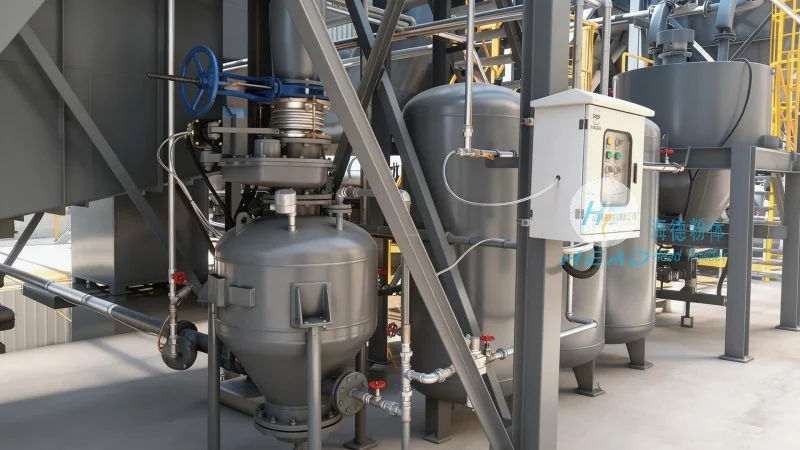
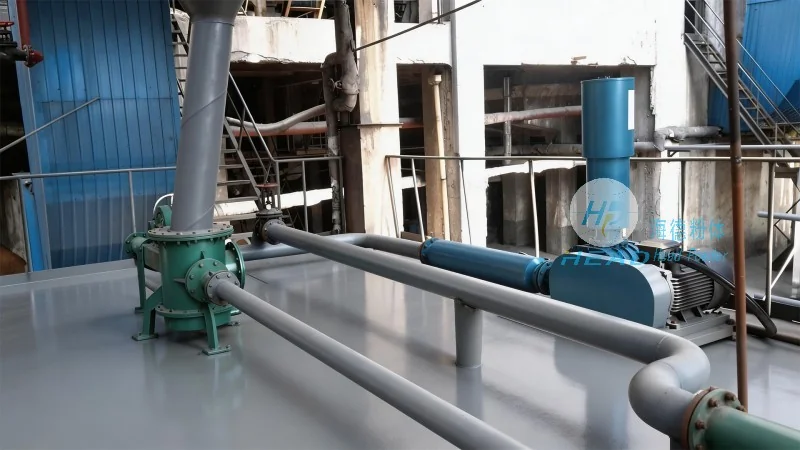
The choice of conveying system for phenolic resin powder depends on factors such as the material's properties, the required transport distance, and the production scale. Commonly used systems include pneumatic conveying, screw conveyors, and bucket elevators. Pneumatic conveying systems, particularly the positive pressure type, are well-suited for phenolic resin powder due to their ability to handle fine powders without clogging. These systems use compressed air to transport the powder through a pipeline, ensuring a clean and efficient process. Screw conveyors are another effective option, especially for horizontal or slightly inclined transport over shorter distances. They are simple in design and can handle a wide range of powder types, including phenolic resin, with minimal maintenance. The conveying process typically involves feeding the powder from a storage silo into the conveying equipment, where it is then transported to the processing area. Proper sealing and material compatibility are essential to prevent dust leakage and ensure the longevity of the system components.
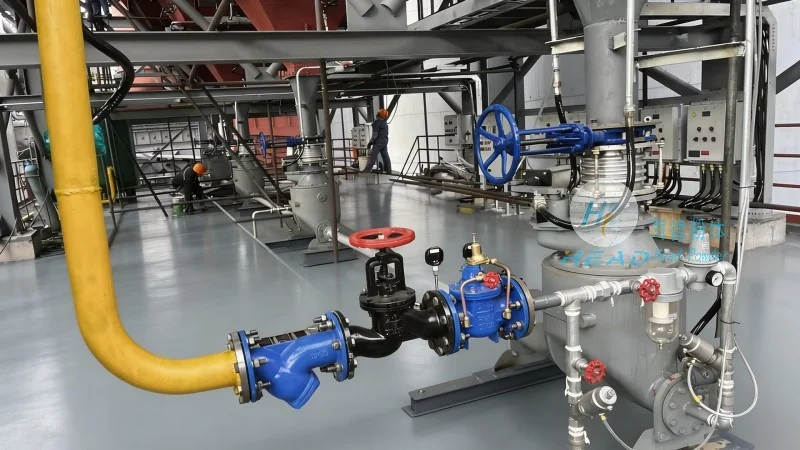
To maximize the efficiency and reliability of the phenolic resin powder conveying system, several best practices should be followed. Regular maintenance of the equipment, including cleaning of filters and checking for wear in moving parts, is essential to prevent system downtime. The use of appropriate hopper designs, such as conical hoppers with smooth surfaces and proper venting, helps to maintain consistent flow and prevent material bridging. Additionally, monitoring the system's performance parameters, such as pressure drop and flow rate, allows for timely adjustments and ensures optimal operation. By adhering to these best practices, industries can achieve consistent material handling, reduce operational costs, and enhance overall productivity.

 Shandong Headpowder Engineering Co., Ltd.
 156-6277-7102(Manager Zhang)
  0531-83386006
  Zhangqiu District, Jinan City, Shandong Province, China
telephone
WeChatconsult
top