With more than 10‑year industry experience, Shandong Headpowder delivers full‑service pneumatic‑conveying systems and blowers, undertaking nationwide turn‑key powder‑handling projects.
HeadPowder, a leading engineering company based in Shandong, China, specializes in the design and implementation of efficient systems for handling sawdust and wood chips. This article provides a detailed overview of the technical parameters and the advanced conveying systems used in these processes, highlighting the company's expertise in optimizing material transport for industrial applications.
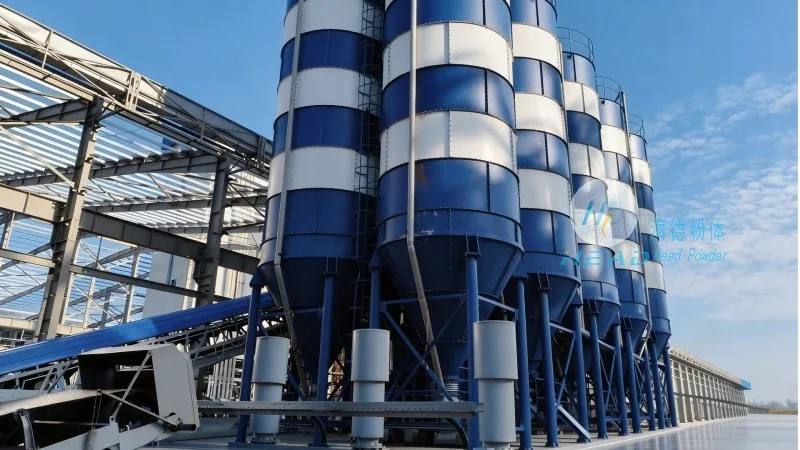
The successful operation of sawdust and wood chip conveying systems relies heavily on a thorough understanding of the material's technical parameters. These parameters dictate the design, selection, and performance of the conveying equipment. Key parameters include particle size distribution, moisture content, bulk density, and material flow characteristics. Each of these factors influences the choice of conveyor type and the system's overall efficiency.
Particle size distribution is a critical parameter that affects the material's flowability and the required conveying velocity. For example, fine sawdust particles may have a wider distribution and require higher air velocities in pneumatic systems to prevent clogging. In contrast, larger wood chips may settle more quickly and need different screw pitch designs to maintain consistent flow. The variability in particle size also impacts the wear and tear on conveyor components, necessitating robust construction materials.
Moisture content is another significant factor, as it directly impacts the material's stickiness and bulk density. Higher moisture levels can cause sawdust to clump together, reducing flowability and increasing the risk of blockages. This requires adjustments in system design, such as incorporating drying units or using conveyor systems with higher capacity to handle the increased material volume. Conversely, very dry materials may require additional measures to prevent dust generation and ensure safe handling.
Bulk density, which measures the weight of material per unit volume, is essential for determining the system's capacity and energy requirements. It influences the selection of conveyor type and the speed at which material is transported. For instance, materials with high bulk density may require higher conveyor speeds or larger diameters to maintain the desired flow rate. Understanding bulk density also helps in calculating the power consumption and ensuring that the system operates within its energy efficiency limits.
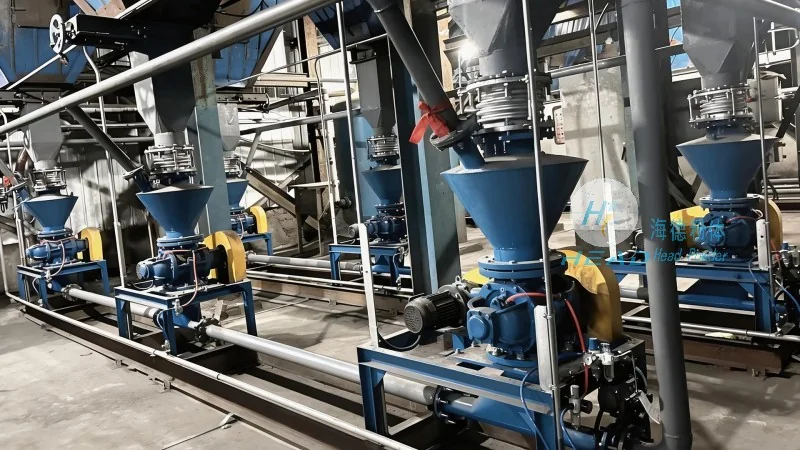
Material flow characteristics, including friction coefficients and aerodynamic properties, further influence the conveying system's performance. These properties affect how easily the material moves through the conveyor and the pressure drop across the system. By analyzing these characteristics, engineers can optimize the system's design to minimize energy consumption and maximize material throughput. This involves selecting appropriate conveyor components, such as screw pitch, pipe diameter, or air velocity, to achieve the desired flow conditions.
HeadPowder Engineering Co., Ltd. utilizes a range of advanced conveying systems tailored to the specific needs of sawdust and wood chip handling. These systems are designed to ensure efficient, reliable, and cost-effective material transport, even under challenging conditions. The primary systems include screw conveyors, pneumatic conveyors, and belt conveyors, each with distinct advantages and applications.
Screw conveyors are widely employed for horizontal or slightly inclined transport of sawdust and wood chips. They are particularly effective for handling dry materials and can be customized to accommodate different particle sizes. The design of the screw, including its pitch (the distance between screw flights) and diameter, is optimized to maintain consistent material flow and prevent blockages. For instance, a higher pitch is used for finer materials to prevent clogging, while a lower pitch is suitable for larger wood chips to ensure smooth transport. Screw conveyors are ideal for applications where space is limited and a continuous, low-speed transport is required, such as in woodworking plants or biomass processing facilities.
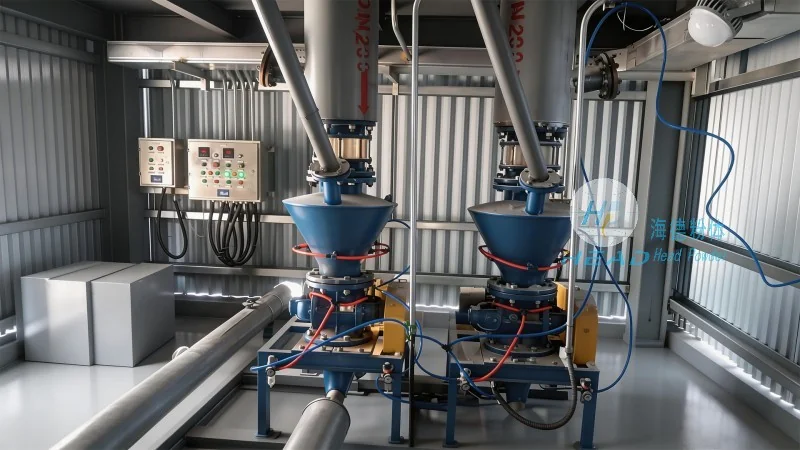
Pneumatic conveyors, on the other hand, utilize air pressure to move materials through a pipeline. This system is highly effective for transporting fine sawdust particles over longer distances and can handle materials with higher moisture content. The key components include a high-pressure blower, a hopper for material storage, and a pipeline system that transports the material. The air velocity in the pipeline is carefully controlled to ensure that the material is carried efficiently without excessive pressure drop. Pneumatic conveyors offer flexibility in terms of layout, as they can be installed in various configurations, including vertical or horizontal, and can be integrated with other processing equipment. This makes them a popular choice in industries where material transport over long distances is necessary, such as in sawmills or bioenergy plants.
Belt conveyors are another common option, especially for larger wood chips and bulk material handling. They are suitable for both horizontal and inclined transport and can handle high volumes of material. The design of the belt, including its width and material (e.g., rubber or synthetic), is selected based on the characteristics of the sawdust or wood chips to ensure durability and efficient transport. For example, a wider belt is used for larger wood chips to prevent material spillage, while a synthetic belt may be chosen for its resistance to abrasion and chemicals. Belt conveyors are often used in combination with other equipment, such as feeders and classifiers, to form a comprehensive material handling system. They are particularly effective in applications where continuous material transport is required, such as in storage facilities or processing plants.
The effectiveness of a sawdust and wood chip conveying system is significantly enhanced through proper integration with other processing equipment and continuous process optimization. HeadPowder emphasizes the importance of integrating conveying systems with drying units, grinding machines, or storage facilities to ensure a seamless flow of materials from one stage to the next. This integration minimizes bottlenecks and improves overall system efficiency by eliminating unnecessary material handling steps.
Process optimization involves the continuous monitoring and adjustment of system parameters to maintain optimal performance. This includes monitoring material flow rates, pressure levels, and energy consumption using advanced sensors and control systems. By leveraging real-time data, engineers can identify and address issues promptly, reducing downtime and improving operational efficiency. For example, if the material flow rate decreases, the system can automatically adjust the conveyor speed or air pressure to maintain the desired throughput. This proactive approach ensures that the system operates within its design specifications and maximizes its performance.

 Shandong Headpowder Engineering Co., Ltd.
 156-6277-7102(Manager Zhang)
  0531-83386006
  Zhangqiu District, Jinan City, Shandong Province, China
telephone
WeChatconsult
top