With more than 10‑year industry experience, Shandong Headpowder delivers full‑service pneumatic‑conveying systems and blowers, undertaking nationwide turn‑key powder‑handling projects.
HeadPowder, a leading engineering company based in Shandong, China, specializes in the design and implementation of advanced pneumatic conveying systems for concrete powder. This article explores the fundamental principles behind these systems and highlights the key characteristics of their operational environments, providing a comprehensive overview for professionals in the construction and material handling industries.
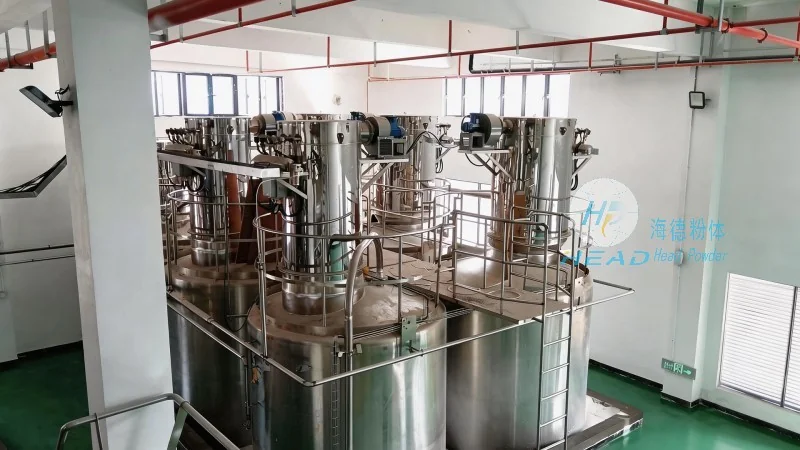
The pneumatic conveying line for concrete powder operates on the principle of using compressed air to transport dry powders through a pipeline. Unlike traditional methods such as belt conveyors or bucket elevators, this system utilizes air pressure to move material, offering advantages in terms of flexibility, hygiene, and reduced maintenance. The process typically involves a hopper where the concrete powder is stored, a rotary valve that controls the flow of material into the pipeline, and a series of pipes that guide the material to its destination. Compressed air is introduced at the inlet of the pipeline, creating a flow that carries the powder particles along the path. The design of the system, including the size of the pipes, the velocity of the air, and the angle of the pipeline, is critical to ensure efficient and reliable transport. The principle also incorporates considerations for material properties, such as particle size, density, and moisture content, which affect the conveying efficiency and system performance.
The operational environment of concrete powder pneumatic conveying lines varies significantly depending on the application. In construction sites, these systems are often deployed in areas where space is limited and where the need for dust control is paramount. The lines are typically installed in enclosed or semi-enclosed structures to minimize dust dispersion, ensuring compliance with environmental regulations and maintaining a safe working atmosphere. The working scene may also involve multiple stages of material handling, such as transferring concrete powder from storage silos to mixing plants or from batching stations to construction areas. The flexibility of the pneumatic system allows for easy integration into existing infrastructure, adapting to the layout of the construction site without the need for extensive reconfiguration.
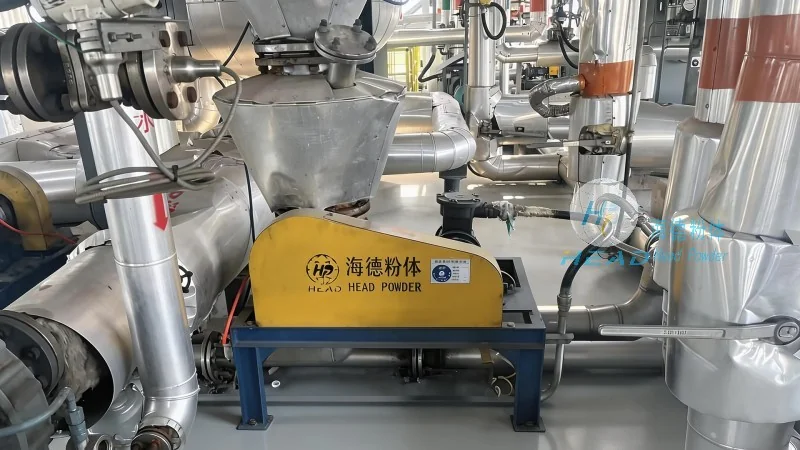
In concrete batching plants, the pneumatic conveying line enhances the efficiency of the production process by providing a continuous and controlled supply of raw materials. The system reduces the time required for material transfer, minimizing downtime and improving overall productivity. Additionally, the enclosed nature of the conveying line prevents material loss and contamination, which is crucial for maintaining the quality of the concrete mix. The system's ability to handle varying material flows and pressures makes it suitable for both small-scale and large-scale operations, catering to the diverse needs of modern construction projects.
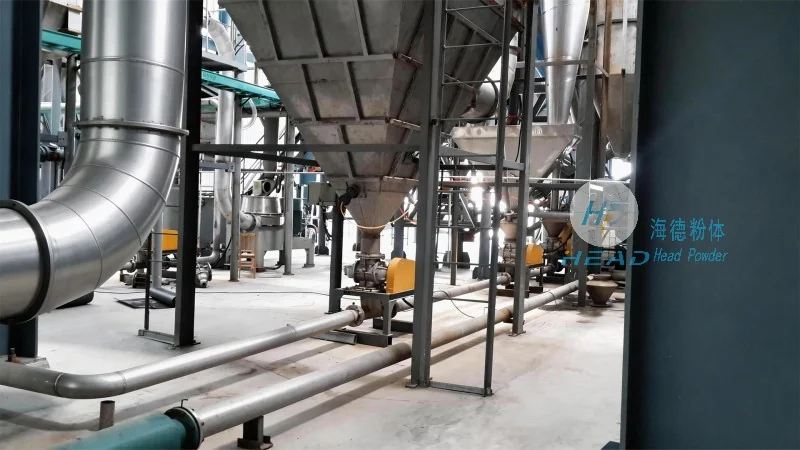
Operating a concrete powder pneumatic conveying line requires careful attention to several factors to ensure optimal performance. The air pressure and flow rate must be precisely controlled to maintain consistent material transport. Regular maintenance of components such as rotary valves, air filters, and pipeline systems is essential to prevent blockages and ensure long-term reliability. The system's design also considers the potential for material buildup and the need for cleaning procedures to maintain efficiency. In industrial settings, the system may be integrated with monitoring equipment to track performance metrics and detect any issues in real-time, allowing for proactive maintenance and reducing the risk of system failures.
Concrete powder pneumatic conveying lines, as exemplified by the solutions from Shandong HeadPowder Engineering Co., Ltd., represent a sophisticated approach to material handling in the construction industry. By leveraging the principles of pneumatic transport, these systems offer significant advantages in terms of efficiency, hygiene, and adaptability. The working scene characteristics, including space constraints and environmental requirements, are effectively addressed through the design and implementation of these systems. For construction and material handling professionals, understanding the principles and operational aspects of such systems is crucial for optimizing material flow and enhancing project efficiency. With proper design and maintenance, these pneumatic conveying lines continue to play a vital role in modern construction, supporting the delivery of high-quality concrete products and contributing to the success of various construction projects.

 Shandong Headpowder Engineering Co., Ltd.
 156-6277-7102(Manager Zhang)
  0531-83386006
  Zhangqiu District, Jinan City, Shandong Province, China
telephone
WeChatconsult
top