With more than 10‑year industry experience, Shandong Headpowder delivers full‑service pneumatic‑conveying systems and blowers, undertaking nationwide turn‑key powder‑handling projects.
High-calcium powders, such as limestone or calcium carbonate, are widely utilized in industries like cement, construction, and chemical manufacturing. Efficient and reliable material handling is essential for maintaining production efficiency and product quality. Among the various methods available, pneumatic conveying stands out as a preferred solution. This article provides a detailed comparison of negative pressure and positive pressure conveying systems, focusing on their advantages and disadvantages in the context of high-calcium powder handling.
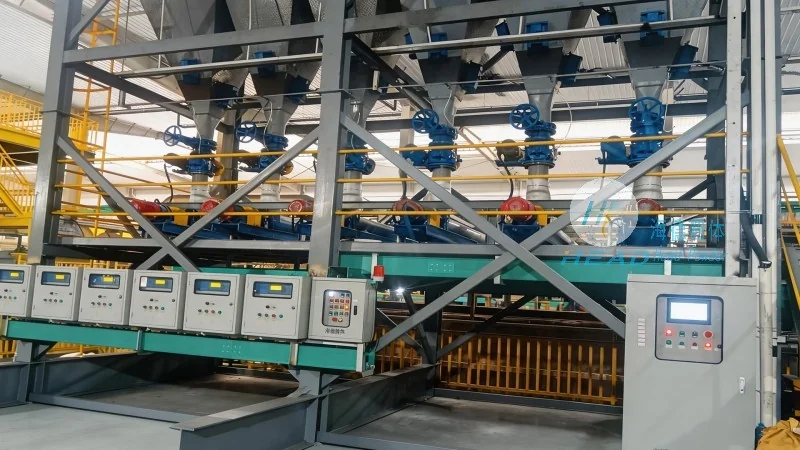
Negative pressure conveying, also known as suction conveying, operates by creating a vacuum at the material inlet to draw powder from the source. The system uses a fan or blower to generate a low-pressure environment, which pulls the material through the pipeline. This method is particularly suitable for applications where the material is stored in a hopper or silo and needs to be transported to a processing unit.
One of the primary advantages of negative pressure conveying is its ability to handle fine powders without the risk of clogging. The vacuum action ensures that even the smallest particles are efficiently transported. Additionally, this method is generally more energy-efficient compared to positive pressure systems, as it requires less power to maintain the vacuum. Another benefit is that it can operate in a relatively quiet manner, minimizing noise pollution in industrial settings. Furthermore, negative pressure conveying is often more cost-effective for short to medium-distance transport, as it reduces the need for high-pressure equipment.
Despite its advantages, negative pressure conveying has several limitations. The main drawback is its lower conveying capacity compared to positive pressure systems. The vacuum created can only handle a certain volume of material, making it unsuitable for high-volume applications. Another issue is the potential for material degradation due to the longer residence time in the pipeline, especially for heat-sensitive powders. Additionally, the system is more susceptible to air leaks, which can lead to inefficiencies and safety hazards. Finally, negative pressure conveying may require more maintenance, as the vacuum components are more prone to wear and tear.
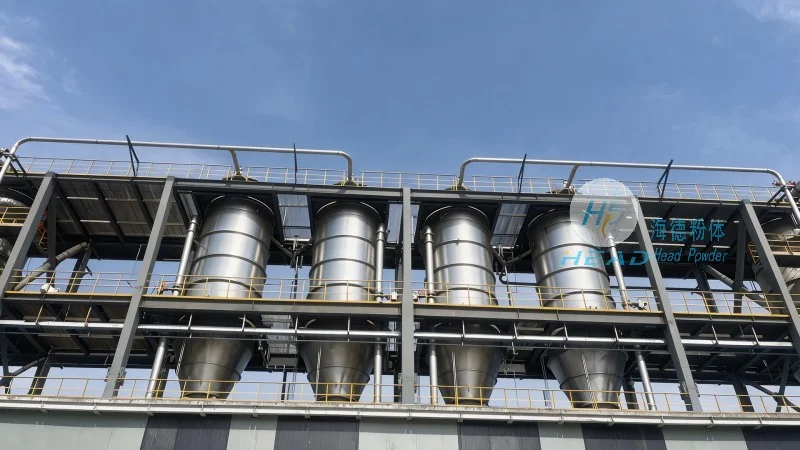
Positive pressure conveying, or pressure conveying, works by forcing air or gas through the material to push it along the pipeline. A high-pressure blower or compressor generates the necessary pressure, which propels the powder from the source to the destination. This method is ideal for applications requiring high conveying rates, long-distance transport, or the handling of abrasive materials.
Positive pressure conveying offers several key advantages. The most significant is its high conveying capacity, making it suitable for large-scale operations. It can transport materials over longer distances with minimal pressure loss, thanks to the high-pressure air. Another advantage is its ability to handle abrasive or sticky powders without causing excessive wear on the system components. Additionally, this method is less affected by air leaks, as the pressure is maintained consistently. Furthermore, positive pressure conveying can be more flexible in terms of system layout, allowing for more complex pipeline configurations.
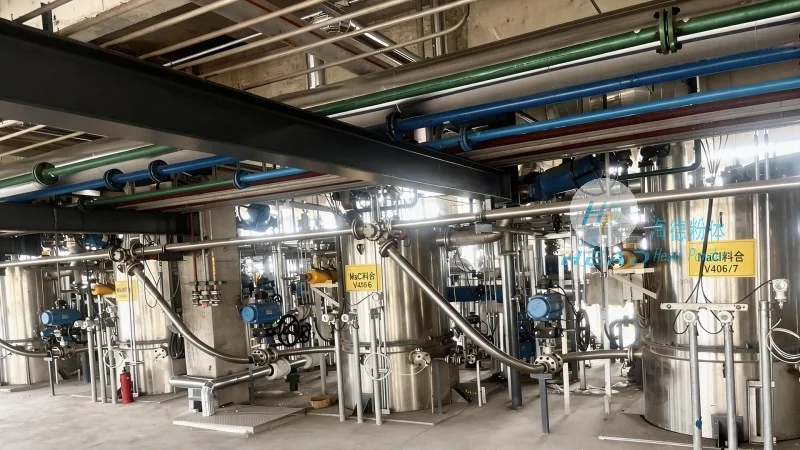
However, positive pressure conveying also has its drawbacks. The primary disadvantage is higher energy consumption compared to negative pressure systems, as it requires more power to maintain the high pressure. This can increase operational costs, especially for large-scale operations. Another issue is the potential for material degradation due to the high-velocity air, which can cause attrition and reduce particle size. Additionally, the system is more prone to clogging, especially with fine or cohesive powders, requiring more frequent cleaning and maintenance. Finally, positive pressure conveying can generate more noise and vibration, affecting the working environment.
When selecting between negative and positive pressure conveying for high-calcium powders, several factors must be considered. The first is the material characteristics, such as particle size, moisture content, and abrasiveness. Fine powders with high moisture content may benefit from negative pressure, as it minimizes material degradation. Conversely, abrasive or high-volume materials are better suited for positive pressure. The second factor is the distance and volume of transport. Short to medium distances with low volume may favor negative pressure, while long distances or high volume require positive pressure. The third factor is the system layout and available space. Negative pressure systems are often more compact, while positive pressure systems may require more extensive piping. Finally, the cost and maintenance requirements should be evaluated. Negative pressure systems are generally more cost-effective for smaller applications, while positive pressure systems are more suitable for large-scale operations with higher budgets.
Shandong HeadPowder Engineering Co., Ltd., commonly known as HeadPowder, is a leading provider of advanced pneumatic conveying solutions for high-calcium powder handling. With a focus on innovation and customer satisfaction, HeadPowder specializes in designing and manufacturing customized conveying systems tailored to the specific needs of clients. The company’s expertise lies in integrating negative and positive pressure technologies to optimize material transport efficiency. HeadPowder’s team of engineers and technicians work closely with clients to assess their operational requirements and recommend the most suitable conveying method. By leveraging cutting-edge technology and rigorous quality control, HeadPowder ensures that its systems deliver reliable performance, reduce downtime, and enhance overall productivity. Based in Shandong, China, HeadPowder serves clients globally, providing comprehensive support from system design to installation and maintenance. The company’s commitment to excellence has made it a trusted partner in the industry, helping businesses achieve their material handling goals with efficiency and reliability.

 Shandong Headpowder Engineering Co., Ltd.
 156-6277-7102(Manager Zhang)
  0531-83386006
  Zhangqiu District, Jinan City, Shandong Province, China
telephone
WeChatconsult
top