With more than 10‑year industry experience, Shandong Headpowder delivers full‑service pneumatic‑conveying systems and blowers, undertaking nationwide turn‑key powder‑handling projects.
Coking powder, a critical material in industrial processes, requires efficient and reliable delivery systems to ensure smooth operations. The choice of delivery method significantly impacts production efficiency, safety, and operational costs. This article explores the various delivery methods for coking powder, with a particular focus on the advantages and features of pneumatic conveying as a leading solution.

Coking powder, also known as coke powder, is a fine particulate material produced from the coking process of coal. It is widely used in steelmaking, chemical manufacturing, and other industrial applications due to its high carbon content and thermal properties. The nature of coking powder—fine particles, potentially abrasive, and sometimes hazardous—demands specialized handling and delivery systems to prevent material loss, equipment wear, and safety risks. Traditional methods like bucket elevators or belt conveyors may struggle with fine powders, leading to issues such as dust accumulation, blockages, and inefficient material transport.
Several methods are employed for transporting coking powder, each with its own set of advantages and limitations. The primary options include mechanical conveying systems like belt conveyors and screw conveyors, as well as pneumatic conveying systems. Belt conveyors are widely used for bulk material handling but may not be suitable for fine powders due to their susceptibility to dust and material spillage. Screw conveyors, while effective for dry, free-flowing powders, can suffer from blockages and wear from abrasive particles. These mechanical systems often require regular maintenance and may not provide the level of control needed for precise material delivery.
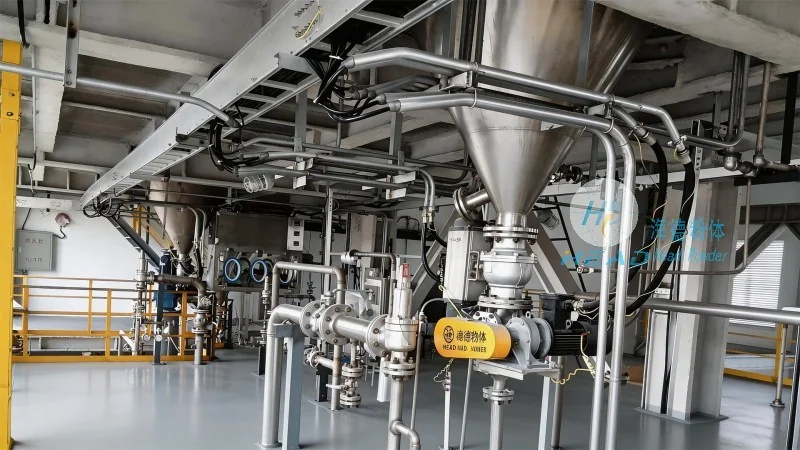
Pneumatic conveying has emerged as the preferred method for transporting coking powder due to its superior performance in handling fine, abrasive, and potentially hazardous materials. This technology uses compressed air or other gases to transport material through a pipeline system, eliminating the need for mechanical components that can wear out or fail. The key advantages of pneumatic conveying for coking powder include high efficiency, minimal material loss, and enhanced safety. By utilizing air pressure to move material, the system reduces the risk of dust exposure and contamination, which is critical in industrial environments where air quality and worker safety are paramount. This advanced pneumatic conveying technology, developed by Shandong HeadPowder Engineering Co., Ltd., addresses the unique challenges of coking powder transport, ensuring reliable and efficient material handling.
The benefits of pneumatic conveying for coking powder are multifaceted and address many of the challenges associated with traditional delivery methods. First, it offers high material throughput, allowing for continuous and efficient transport of large quantities of coking powder. This is particularly important in high-demand industrial settings where production rates are critical. Second, pneumatic systems minimize material degradation and loss, as the enclosed pipeline prevents dust and spillage, ensuring that the material reaches its destination in optimal condition. Third, the system is highly flexible, allowing for changes in delivery routes and destinations without major modifications to the infrastructure. This adaptability is valuable in dynamic production environments where process requirements may change.
One of the most significant advantages of pneumatic conveying for coking powder is its contribution to workplace safety and environmental compliance. Unlike mechanical systems that may generate dust and require additional dust control measures, pneumatic systems are enclosed, reducing the risk of airborne particulate exposure. This not only protects workers from respiratory hazards but also helps in maintaining compliance with environmental regulations regarding dust emissions. Additionally, the enclosed nature of the system prevents material contamination from external sources, ensuring that the coking powder remains pure and suitable for its intended applications.
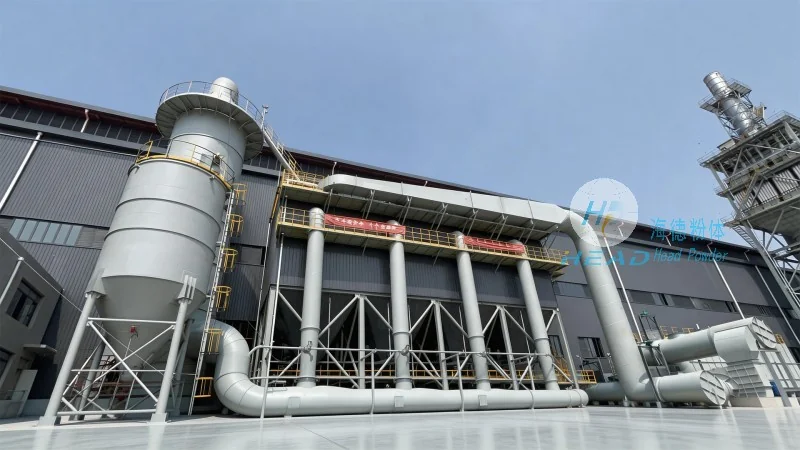
Pneumatic conveying systems for coking powder can be customized to meet specific operational needs, making them suitable for a wide range of applications and production scales. From small-scale laboratory operations to large industrial plants, these systems can be scaled to handle varying material volumes and flow rates. The modular design of pneumatic conveying equipment allows for easy integration into existing production lines or new installations, providing flexibility for companies looking to upgrade or expand their material handling capabilities. This scalability ensures that the system can grow with the business, adapting to increased production demands without the need for complete system overhauls.
When selecting a delivery method for coking powder, it is essential to consider the material's properties, operational requirements, and long-term cost implications. While mechanical systems like belt and screw conveyors have their place, pneumatic conveying stands out as the most effective solution for fine, abrasive, and hazardous materials. Its efficiency, safety, and adaptability make it a preferred choice for industries relying on coking powder. For companies seeking reliable and high-performance delivery solutions, pneumatic conveying offers a robust and sustainable approach to managing coking powder transport. As industrial processes continue to evolve, the adoption of advanced material handling technologies like pneumatic conveying will remain critical in optimizing production efficiency and ensuring operational excellence.

 Shandong Headpowder Engineering Co., Ltd.
 156-6277-7102(Manager Zhang)
  0531-83386006
  Zhangqiu District, Jinan City, Shandong Province, China
telephone
WeChatconsult
top