With more than 10‑year industry experience, Shandong Headpowder delivers full‑service pneumatic‑conveying systems and blowers, undertaking nationwide turn‑key powder‑handling projects.
Industrial alkali pneumatic conveying systems are specialized equipment designed to transport alkaline materials, such as caustic soda or other chemical powders, through a pressurized air stream. These systems are crucial in various industrial applications where efficient and safe material handling is required. The core principle of pneumatic conveying involves using air pressure to move bulk materials from one location to another, eliminating the need for mechanical components like conveyor belts or buckets. This method offers several advantages, including reduced contamination risk, improved material flow control, and enhanced safety in handling hazardous or sensitive substances.
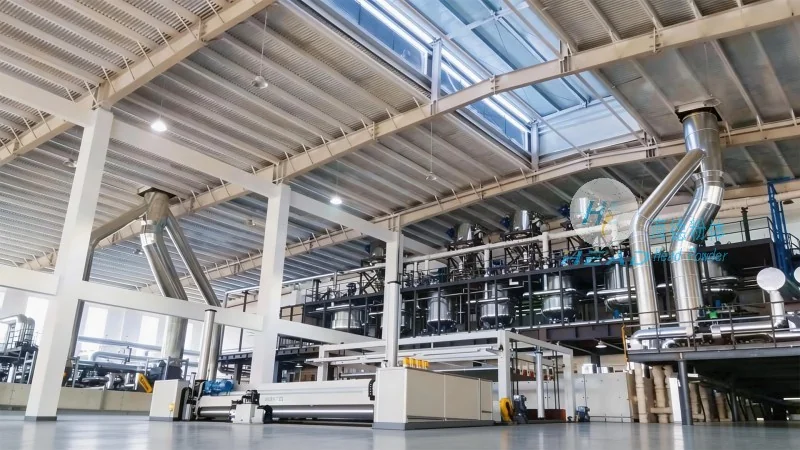
The operation of industrial alkali pneumatic conveying systems is based on the fundamental physics of fluid dynamics and material transport. The system typically consists of a blower or compressor that generates the necessary air pressure, a hopper or storage tank to hold the alkali material, a conveying line (usually made of metal or plastic), and a discharge point where the material is released. The process begins when the material is introduced into the hopper, where it is then drawn into the conveying line by the moving air. The air velocity is carefully controlled to ensure that the material particles are fully suspended and transported without clogging or degradation. For alkaline materials, which can be corrosive or reactive, the equipment is often constructed from materials like stainless steel or specialized alloys to prevent chemical reactions and ensure durability.
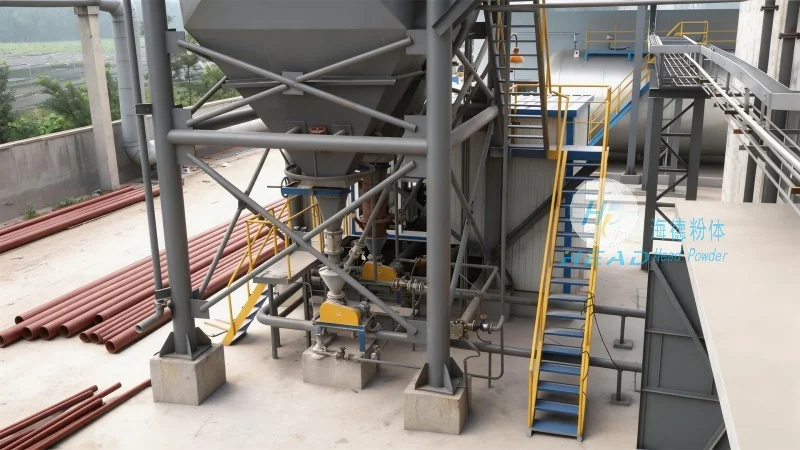
Several critical components work together to ensure the efficient operation of alkali pneumatic conveying systems. The blower or compressor is the primary power source, providing the air pressure required to move the material. The hopper or feed system is responsible for storing and feeding the alkali material into the conveying line, often equipped with a rotary valve or gate to control the flow rate. The conveying line itself must be designed to withstand the pressure and temperature of the air and material, with smooth interiors to minimize friction and resistance. The discharge system, which may include a filter or separator, is used to remove any excess air and collect the material at the destination. In some systems, additional components like cyclones or filters are used to separate the material from the air stream, ensuring that the material is delivered in a clean and dry state. For industrial applications involving caustic soda or other strong alkalis, the entire system is often equipped with corrosion-resistant materials and sealed components to prevent leaks and maintain safety standards.
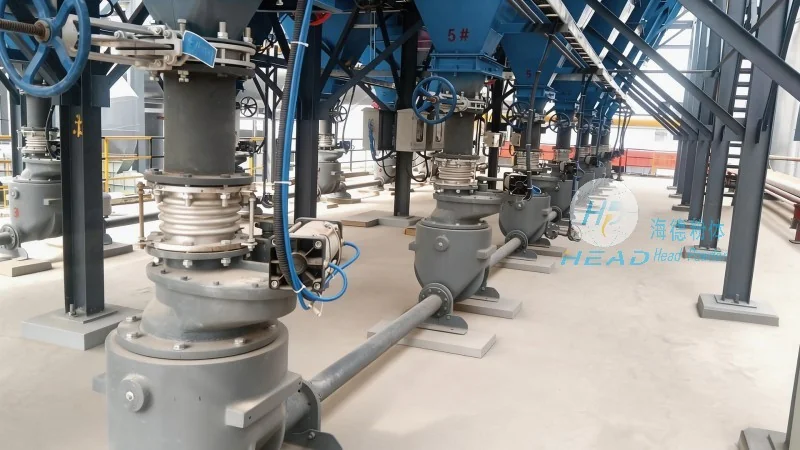
The working scene characteristics of industrial alkali pneumatic conveying systems are tailored to meet the specific needs of various industrial environments. These systems are commonly used in chemical manufacturing plants, where caustic soda is a key raw material for producing products like soap, paper, and textiles. The systems are also utilized in food processing facilities, where alkaline powders are used for cleaning or processing purposes. In pharmaceutical industries, pneumatic conveying systems help transport alkaline ingredients while maintaining strict hygiene and contamination control. The flexibility of these systems allows them to be integrated into existing production lines, with the ability to adjust the conveying speed and volume based on production demands. Additionally, the systems are designed to handle different particle sizes and densities of alkali materials, making them suitable for a wide range of industrial applications. The working scene often involves high-pressure environments and continuous operation, requiring robust and reliable equipment that can withstand the demands of industrial production.
Industrial alkali pneumatic conveying systems offer several advantages over traditional mechanical conveying methods. One of the primary benefits is the ability to transport materials in a closed system, which reduces the risk of dust exposure and environmental contamination. This is particularly important when handling caustic or hazardous alkali materials, as it minimizes the potential for accidents or health risks. Another advantage is the improved control over material flow, allowing for precise dosing and regulation of the material being transported. This is crucial in processes where the exact amount of alkali material is critical, such as in chemical reactions or manufacturing processes. The systems also offer higher efficiency in terms of energy consumption compared to some mechanical systems, as the air pressure can be optimized to minimize energy use while maintaining effective material transport. However, there are considerations to keep in mind when implementing these systems. For example, the initial cost of the equipment can be higher than traditional methods, and the maintenance requirements may be more complex due to the need for specialized components and corrosion-resistant materials. Additionally, the system's performance can be affected by factors such as air pressure, material properties, and line length, requiring careful design and optimization to ensure reliable operation.
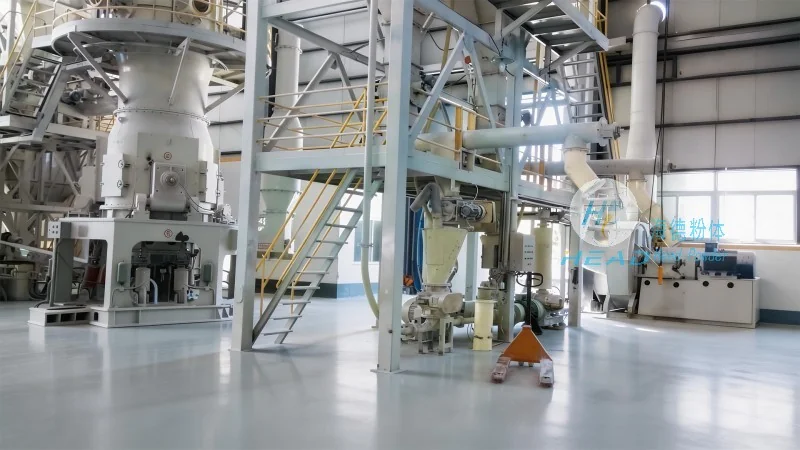
Industrial alkali pneumatic conveying systems are essential equipment for efficiently and safely transporting alkaline materials in various industrial applications. The principles of operation, key components, and working scene characteristics make these systems a reliable choice for industries that require precise material handling and contamination control. As a leading provider of engineering solutions, Shandong HeadPowder Engineering Co., Ltd. specializes in designing and manufacturing high-quality pneumatic conveying systems tailored to the specific needs of industrial clients. With a focus on durability, safety, and efficiency, the company's products are designed to meet the demands of modern industrial production. Located in Shandong, China, Shandong HeadPowder Engineering Co., Ltd. serves clients worldwide, offering comprehensive solutions for material handling and processing needs. By leveraging advanced engineering and materials science, the company ensures that its pneumatic conveying systems provide reliable performance and long-term value for industrial applications.

 Shandong Headpowder Engineering Co., Ltd.
 156-6277-7102(Manager Zhang)
  0531-83386006
  Zhangqiu District, Jinan City, Shandong Province, China
telephone
WeChatconsult
top