With more than 10‑year industry experience, Shandong Headpowder delivers full‑service pneumatic‑conveying systems and blowers, undertaking nationwide turn‑key powder‑handling projects.
Your current position:首页 >> News >> Updates

What is a Wood Chip Material Handling System? And What Are Its Design Principles?

Release time:2026-09-15 00:03:37
name of the company:Shandong Headpowder Engineering Co., Ltd.
telephone:156-6277-7102
contacts:Manager Zhang

Wood chip material handling systems are essential components in various industrial applications, particularly in the processing of wood-based materials. These systems are designed to efficiently transport wood chips from one location to another, ensuring smooth and continuous operation in production lines. Understanding the core components and design principles of such systems is crucial for optimizing workflow and maintaining operational efficiency.
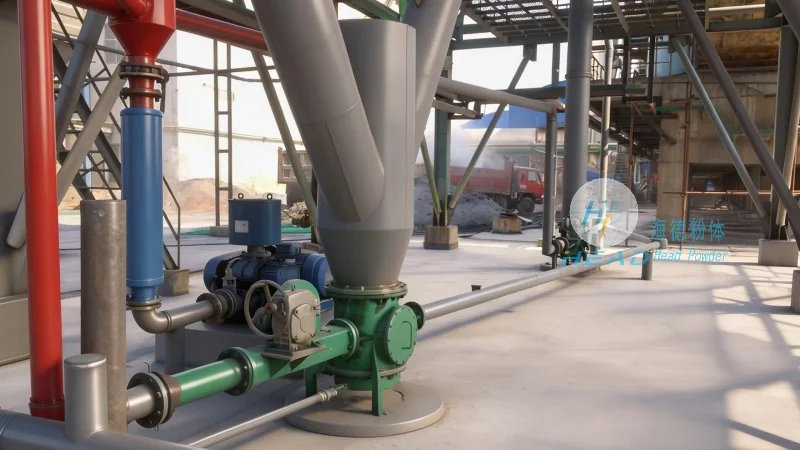
What is a Wood Chip Material Handling System? And What Are Its Design Principles?

Introduction to Wood Chip Material Handling Systems

A wood chip material handling system is a specialized setup that facilitates the movement of wood chips, which are small pieces of wood resulting from the processing of logs or other wood sources. These systems are commonly used in industries like pulp and paper manufacturing, biomass energy production, and woodworking. The primary goal of these systems is to ensure that wood chips are transported safely, efficiently, and in a controlled manner, minimizing downtime and maximizing productivity.
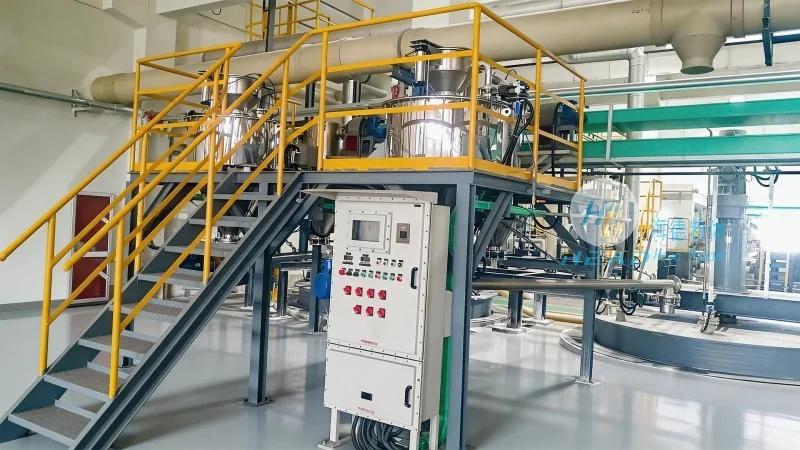
What is a Wood Chip Material Handling System? And What Are Its Design Principles?

Key Components of a Wood Chip Material Handling System

The design of a wood chip material handling system typically involves several key components that work in tandem to achieve effective material transport. These components include:
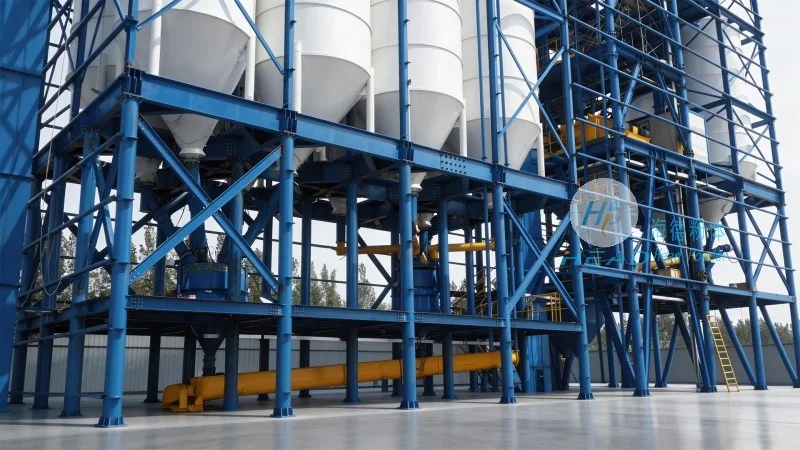
What is a Wood Chip Material Handling System? And What Are Its Design Principles?

  • Feed Hoppers: Feed hoppers are used to store and feed wood chips into the system. They are designed to handle bulk quantities of wood chips and ensure a consistent flow into the subsequent processing stages.
  • Conveyors: Conveyors are the core transport mechanisms in a wood chip material handling system. They can be of various types, such as belt conveyors, screw conveyors, or pneumatic conveyors, depending on the specific requirements of the application. Belt conveyors are commonly used for horizontal and slight incline transport, while screw conveyors are ideal for vertical or inclined transport. Pneumatic conveyors use air pressure to move wood chips through a pipeline, making them suitable for long-distance or complex route transport.
  • Chutes and Bends: Chutes and bends are used to direct the flow of wood chips along the desired path. They are designed to minimize friction and ensure smooth movement, preventing blockages or damage to the wood chips.
  • Control Systems: Modern wood chip material handling systems are equipped with advanced control systems that monitor and regulate the flow of wood chips. These systems use sensors and automation to adjust the speed of conveyors, control the level of feed hoppers, and detect any abnormalities in the system, ensuring optimal performance and safety.

Design Principles for Efficient Wood Chip Material Handling

The design principles of a wood chip material handling system are centered around efficiency, reliability, and adaptability. Key design considerations include:

  • Material Compatibility: The system must be designed to handle the specific properties of wood chips, such as their size, moisture content, and density. This ensures that the components used are durable and can withstand the mechanical stresses associated with wood chip transport.
  • Flow Optimization: The design aims to minimize the resistance to flow and maximize the throughput of the system. This involves selecting the appropriate conveyor type, ensuring proper spacing between components, and maintaining a consistent feed rate.
  • Space Utilization: The system is designed to fit within the available space while maximizing the transport capacity. This may involve using vertical conveyors to save horizontal space or integrating multiple conveyors to achieve complex routing.
  • Safety and Maintenance: Safety is a critical consideration in the design of any material handling system. The system is equipped with safety features such as emergency stop buttons, protective guards, and overload protection. Additionally, the design facilitates easy maintenance and access to components, reducing downtime and maintenance costs.

Application Examples and Benefits

Wood chip material handling systems are widely used in various industrial applications. For instance, in pulp and paper mills, these systems transport wood chips from the storage area to the pulping process. In biomass energy plants, they move wood chips to the combustion or gasification units. The benefits of using such systems include improved productivity, reduced labor costs, and enhanced safety. By automating the material transport process, these systems minimize the risk of human error and ensure consistent performance.
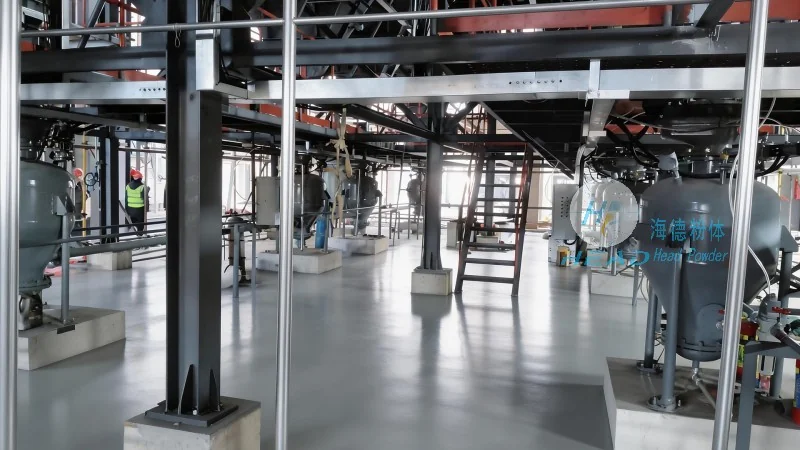
What is a Wood Chip Material Handling System? And What Are Its Design Principles?

About Shandong HeadPowder Engineering Co., Ltd.

Shandong HeadPowder Engineering Co., Ltd. is a leading manufacturer and supplier of wood chip material handling systems. With years of experience in the industry, the company specializes in designing and manufacturing high-quality systems that meet the specific needs of its clients. HeadPowder is committed to providing reliable and efficient solutions that enhance the productivity and safety of industrial operations. The company's headquarters is located in Shandong, China, where it has a dedicated team of engineers and technicians who work tirelessly to develop innovative solutions for its customers.

recommend

Copyright © Shandong Headpowder Engineering Co., Ltd.    营业执照公示 网站地图

top
