With more than 10‑year industry experience, Shandong Headpowder delivers full‑service pneumatic‑conveying systems and blowers, undertaking nationwide turn‑key powder‑handling projects.
In industries where product purity and contamination control are paramount, such as pharmaceutical manufacturing, semiconductor production, and food processing, the adoption of a dust-free automatic material handling system is essential. These systems are engineered to transport materials, components, or finished products within a controlled environment, minimizing the risk of particulate contamination and ensuring compliance with stringent cleanliness standards. The following article provides an in-depth look at what these systems entail and the key design principles that underpin their functionality.
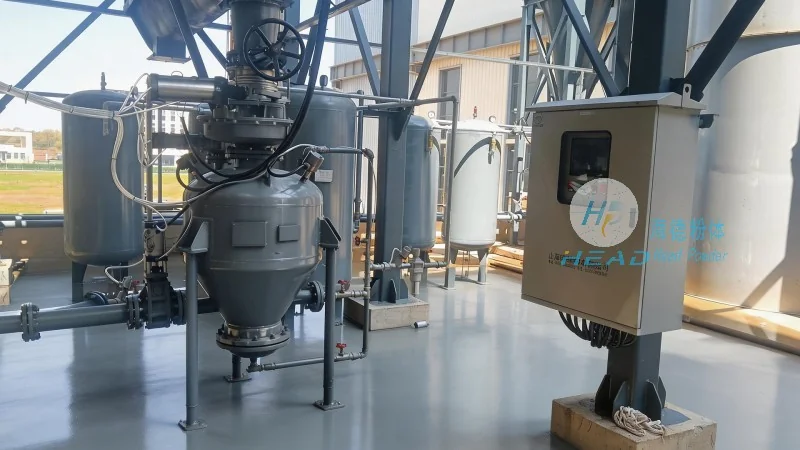
At the heart of many modern production facilities, dust-free automatic material handling systems serve as the backbone of material flow management. They replace manual handling processes, which are prone to human error and contamination, with automated solutions that maintain a consistent level of cleanliness. The primary objective is to create a seamless, contamination-free pathway for materials from storage to processing and packaging. This not only enhances product quality but also reduces the risk of recalls and regulatory non-compliance. The systems are typically integrated with other cleanroom components, such as air filtration units and static control measures, to form a comprehensive contamination control strategy.
The design of a dust-free automatic material handling system is governed by several critical principles aimed at maintaining a clean environment. First, the system must be enclosed in a dust-proof structure that prevents the entry of airborne particles. This enclosure is often made of materials like stainless steel or specialized plastic composites, which are resistant to corrosion and easy to clean. High-efficiency particulate air (HEPA) filters are installed in the ventilation system to remove contaminants from the air, ensuring that only filtered air circulates within the system. Positive pressure ventilation is commonly employed, where the internal air pressure is maintained at a higher level than the surrounding environment, preventing external air from infiltrating the system and carrying contaminants in.
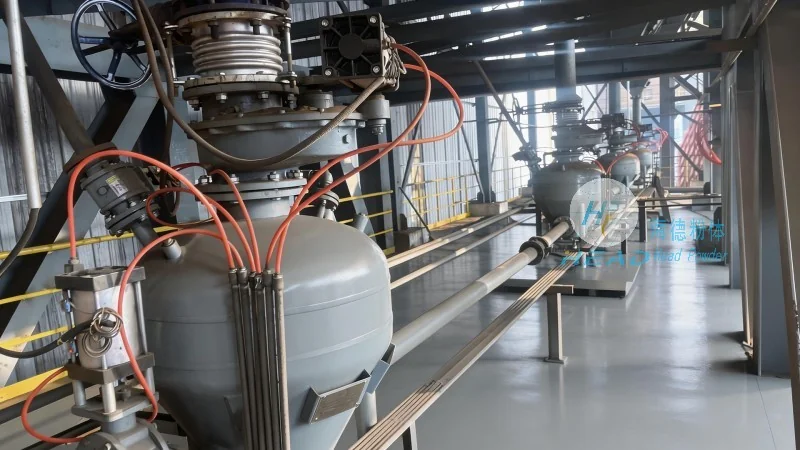
Second, the material handling mechanisms, such as conveyor belts, pneumatic tubes, or robotic arms, are designed to operate within the sealed enclosure. These components are often equipped with anti-static coatings and grounding to prevent static electricity buildup, which can attract and trap dust particles. The conveyor systems may feature smooth, non-porous surfaces that are easy to clean and disinfect, reducing the risk of microbial growth or particulate accumulation. Additionally, the system’s layout is modular, allowing for flexibility in integrating with existing production lines or adapting to future expansion needs.
The implementation of a dust-free automatic material handling system offers numerous operational benefits. By automating material movement, these systems reduce labor costs and minimize human-induced contamination. The consistent, controlled environment ensures that products meet the highest quality standards, enhancing customer trust and brand reputation. In industries like pharmaceuticals, where product purity is regulated by strict guidelines (e.g., FDA or GMP standards), these systems are essential for compliance. Similarly, in electronics manufacturing, where even minute dust particles can cause defects in microchips, the systems help maintain product reliability and reduce waste.
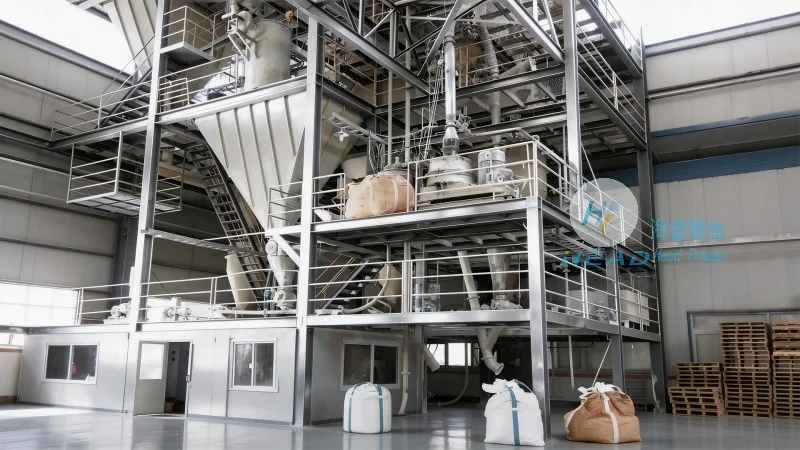
Shandong HeadPowder Engineering Co., Ltd., a leading provider of dust-free material handling solutions, specializes in designing and manufacturing systems tailored to the unique needs of various industries. With a strong commitment to quality and innovation, the company has established itself as a trusted partner for businesses seeking to enhance their production efficiency while maintaining stringent cleanliness standards. Headquartered in Shandong, China, the company leverages advanced engineering expertise and state-of-the-art technology to deliver customized solutions that meet the evolving demands of modern manufacturing.
In summary, a dust-free automatic material handling system is a critical component of modern, contamination-controlled production environments. Its design principles, centered on sealed enclosures, HEPA filtration, and positive pressure ventilation, ensure that materials are transported without introducing contaminants. The operational benefits, including improved product quality, reduced labor costs, and enhanced compliance, make these systems indispensable for industries where purity is non-negotiable. As a leader in the field, Shandong HeadPowder Engineering Co., Ltd. continues to advance the technology, providing tailored solutions that help businesses achieve their production goals while upholding the highest standards of cleanliness.

 Shandong Headpowder Engineering Co., Ltd.
 156-6277-7102(Manager Zhang)
  0531-83386006
  Zhangqiu District, Jinan City, Shandong Province, China
telephone
WeChatconsult
top