With more than 10‑year industry experience, Shandong Headpowder delivers full‑service pneumatic‑conveying systems and blowers, undertaking nationwide turn‑key powder‑handling projects.
Titanium dioxide (TiO₂) powder is a critical industrial material widely used in various sectors, including pigments, coatings, and pharmaceuticals. Efficient and reliable material handling systems are essential for processing and transporting this fine powder. This article explores the concept of a titanium dioxide powder material handling system and delves into its core design principles, highlighting the key components and considerations that ensure optimal performance in industrial applications.
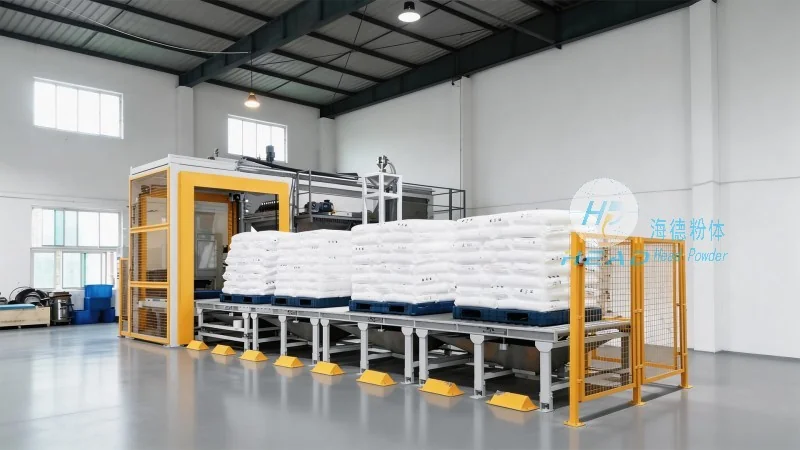
HeadPowder, a leading provider of engineering solutions, specializes in designing and manufacturing advanced material handling systems tailored to the unique needs of titanium dioxide powder processing. With a focus on precision, durability, and safety, their systems are engineered to meet the stringent requirements of modern industrial operations.
A titanium dioxide powder material handling system typically consists of several interconnected components, each playing a vital role in the overall process. The primary elements include feeders, conveyors, storage silos, and control systems. These components work in harmony to ensure the smooth and continuous flow of powder from raw material storage to processing equipment.
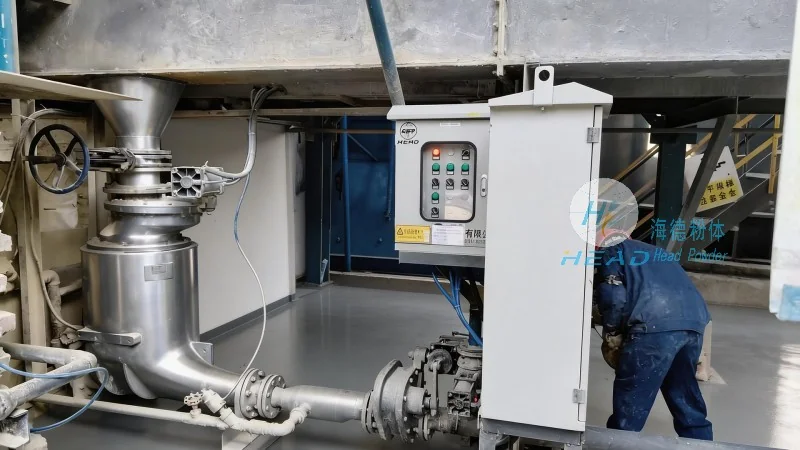
One of the most critical aspects of system design is the selection of appropriate equipment for handling fine powders. Titanium dioxide powder is known for its high specific surface area and tendency to create dust, which can lead to caking and blockages if not managed properly. Therefore, the design must incorporate features that prevent agglomeration and maintain consistent flow rates. HeadPowder’s systems often utilize pneumatic conveying or mechanical conveying methods, depending on the specific application and material characteristics.
Feeders are a fundamental component in any material handling system. They are responsible for accurately controlling the flow rate of titanium dioxide powder from storage silos to downstream equipment. HeadPowder employs various types of feeders, such as rotary valves, screw feeders, and vibratory feeders, to ensure precise and uniform material discharge. The choice of feeder depends on factors like powder density, flowability, and the required discharge rate.
Conveyors are another essential part of the system, responsible for transporting the powder over longer distances or between different processing stages. Mechanical conveyors, such as belt conveyors or chain conveyors, are commonly used for bulk material transport. For fine powders like titanium dioxide, pneumatic conveying systems are often preferred due to their ability to handle dust and prevent material degradation. These systems use compressed air to move the powder through pipelines, ensuring minimal product loss and contamination.
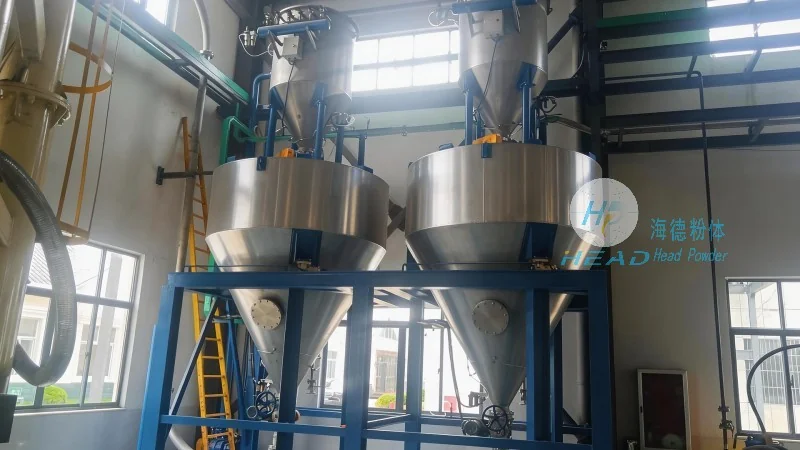
Storage silos are used to store large quantities of titanium dioxide powder before processing. The design of these silos must consider factors like material compatibility, dust control, and structural integrity. HeadPowder’s silos are typically constructed from materials resistant to corrosion and wear, such as stainless steel or special alloys, to ensure long-term durability. Additionally, silos are equipped with venting and dust collection systems to maintain a safe and clean working environment.
Control systems are integral to the operation of a titanium dioxide powder material handling system. They monitor and regulate the flow of material through the entire process, ensuring that the system operates within safe and efficient parameters. Modern control systems often incorporate sensors and automation technologies to provide real-time data on material levels, flow rates, and system performance. This allows for quick adjustments and troubleshooting, minimizing downtime and maximizing productivity.
Design principles for titanium dioxide powder material handling systems also emphasize safety and environmental compliance. The systems must be designed to prevent dust explosions and ensure proper ventilation. HeadPowder adheres to international safety standards and incorporates features like explosion-proof components and dust collection systems to mitigate risks. Additionally, the design considers the environmental impact, such as dust emissions and waste management, to ensure compliance with regulatory requirements.
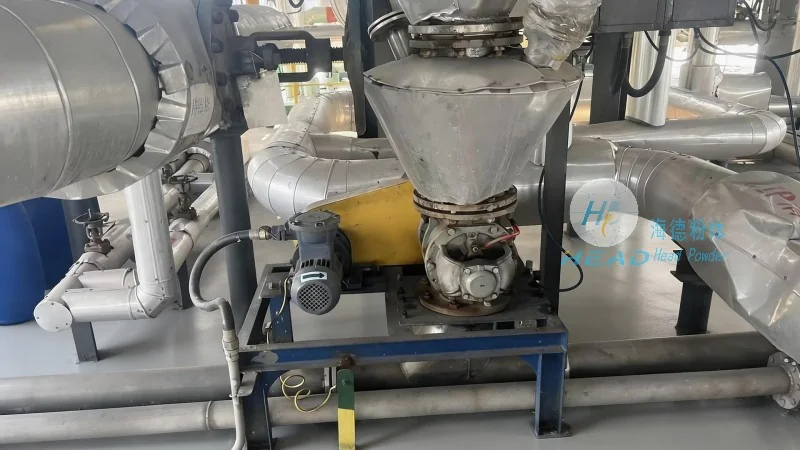
HeadPowder’s expertise in titanium dioxide powder material handling systems is built on a deep understanding of the material’s properties and the challenges associated with its processing. Their engineers work closely with clients to develop customized solutions that address specific operational needs, such as high throughput, low maintenance, or integration with existing facilities. By leveraging advanced engineering and manufacturing capabilities, HeadPowder delivers systems that enhance efficiency, reduce costs, and improve overall process reliability.
In conclusion, a titanium dioxide powder material handling system is a complex yet essential component of modern industrial operations. The design principles, as exemplified by HeadPowder’s solutions, focus on precision, safety, and efficiency. By carefully selecting and integrating components like feeders, conveyors, storage silos, and control systems, these systems ensure the reliable and safe transport of titanium dioxide powder, supporting the smooth operation of downstream processes and contributing to the success of industrial applications.

 Shandong Headpowder Engineering Co., Ltd.
 156-6277-7102(Manager Zhang)
  0531-83386006
  Zhangqiu District, Jinan City, Shandong Province, China
telephone
WeChatconsult
top