With more than 10‑year industry experience, Shandong Headpowder delivers full‑service pneumatic‑conveying systems and blowers, undertaking nationwide turn‑key powder‑handling projects.
Barium sulfate, a widely used industrial material, often requires efficient and reliable transportation systems to move it from production sites to processing or packaging areas. The pneumatic conveying line is a key solution for handling such materials, offering advantages in terms of safety, hygiene, and operational efficiency. This article explores the fundamental principles behind barium sulfate pneumatic conveying systems and highlights the specific working scene characteristics that make them suitable for various industrial applications.
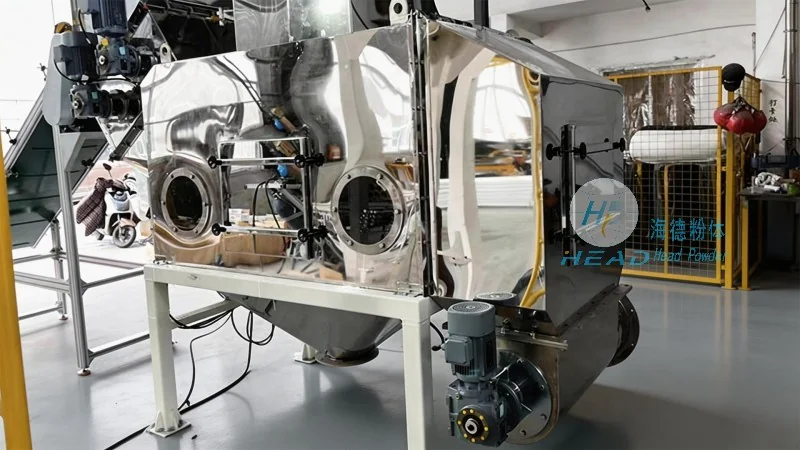
At the heart of barium sulfate pneumatic conveying is the use of air or other gases to transport the material through a pipeline system. The process typically involves a blower or compressor that generates the necessary airflow to move the powder. The material is then introduced into the pipeline, often via a hopper or feeder, and is carried by the air stream. This method eliminates the need for mechanical components like belts or buckets, reducing maintenance and the risk of material contamination. The principle is based on the balance between the air velocity and the particle size and density of the barium sulfate, ensuring that the material is transported without clogging or degradation.
The effectiveness of a barium sulfate pneumatic conveying line depends on several critical components. The first is the air source, which can be a positive displacement blower or a centrifugal fan, depending on the system's requirements. The blower provides a consistent airflow, which is crucial for maintaining the material's transport. Next is the feeder or hopper, which controls the flow rate of the barium sulfate into the pipeline. This component ensures that the material is fed at a steady rate, preventing overloading and maintaining system stability. The pipeline itself is typically made of materials like stainless steel or plastic, chosen for their resistance to corrosion and compatibility with the barium sulfate. Additionally, a filter or cyclone separator is used to remove the material from the air stream at the end of the line, preventing dust and particles from being released into the environment. Finally, the control system manages the operation of the blower, feeder, and other components, ensuring smooth and efficient operation.
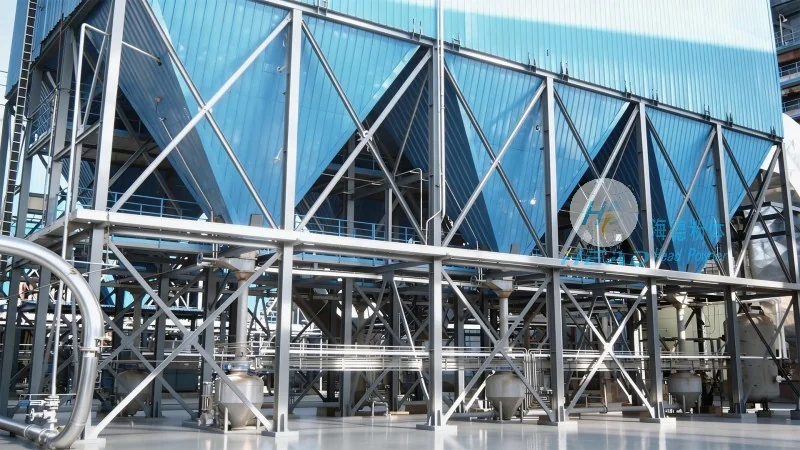
The working scene characteristics of barium sulfate pneumatic conveying lines are tailored to meet the specific needs of different industrial environments. One common application is in pharmaceutical and chemical manufacturing, where the material is used as a filler or coating agent. In these settings, the conveying system must maintain high levels of hygiene and prevent contamination, which is achieved through the use of stainless steel components and sealed pipelines. Another application is in the mining and mineral processing industry, where large quantities of barium sulfate are transported from processing plants to storage or shipping facilities. Here, the system is designed for high capacity and durability, with robust components that can handle the abrasive nature of the material. The working scene also includes food processing facilities, where the material is used as a food additive, requiring the conveying system to meet strict food safety standards. In all these scenarios, the key characteristics include low maintenance, high efficiency, and the ability to handle fine powders without clogging, making the pneumatic conveying line an ideal solution.
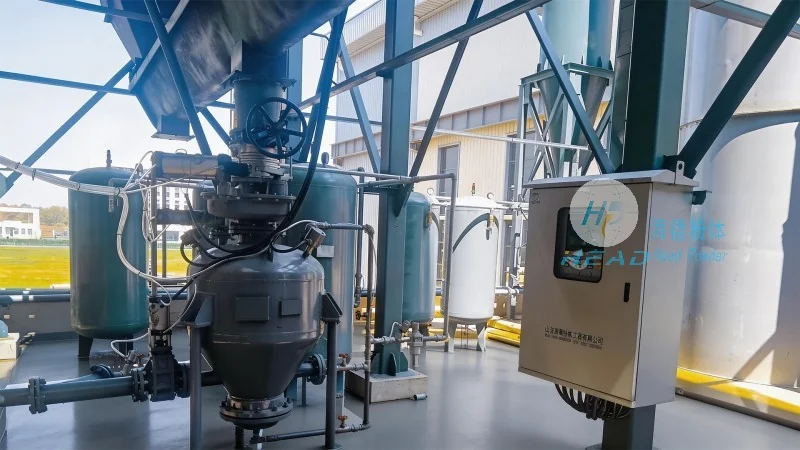
Compared to traditional mechanical conveying methods, barium sulfate pneumatic conveying offers several advantages. The most significant is the reduction in labor costs, as the system operates automatically with minimal human intervention. This also leads to increased productivity, as the material is transported continuously without interruptions. Another advantage is the improved safety and hygiene, as the system is enclosed and prevents dust from being released into the workplace. This is particularly important in industries where dust can cause respiratory issues or contamination. The system also reduces the risk of material degradation, as the material is not exposed to mechanical stress or friction during transport. Additionally, the flexibility of the system allows for easy integration with other processing equipment, such as mixers or packaging machines, making it a versatile solution for various industrial applications.
Barium sulfate pneumatic conveying lines are a reliable and efficient solution for transporting this important industrial material. The principles behind the system, combined with its working scene characteristics, make it suitable for a wide range of applications. As a leading provider in the industry, Shandong HeadPowder Engineering Co., Ltd. specializes in designing and manufacturing these systems to meet the specific needs of clients. With a focus on quality and innovation, the company ensures that its products are durable, efficient, and meet the highest standards of performance. Located in Shandong, China, HeadPowder has established itself as a trusted partner for businesses seeking to optimize their material handling processes. By leveraging the advantages of pneumatic conveying, companies can improve their operational efficiency, reduce costs, and enhance the safety and hygiene of their work environments.

 Shandong Headpowder Engineering Co., Ltd.
 156-6277-7102(Manager Zhang)
  0531-83386006
  Zhangqiu District, Jinan City, Shandong Province, China
telephone
WeChatconsult
top