With more than 10‑year industry experience, Shandong Headpowder delivers full‑service pneumatic‑conveying systems and blowers, undertaking nationwide turn‑key powder‑handling projects.
For industries dealing with soybean protein powder, the efficient and reliable operation of pneumatic conveying systems is crucial. However, a common challenge is the risk of pipeline blockages, which can disrupt production, increase maintenance costs, and reduce overall system efficiency. Understanding and implementing the right design parameters are essential to mitigate these issues and ensure smooth material transport. This article explores how to prevent pipeline blockages in pneumatic conveying systems specifically for soybean protein powder and highlights the key design parameters that play a critical role in system performance.
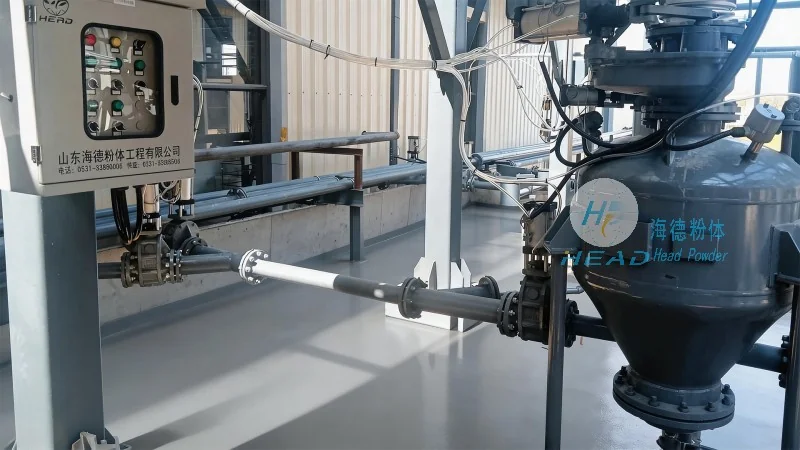
Soybean protein powder is a fine, dry powder with specific physical properties that can influence its behavior in a pneumatic conveying system. Its particle size, moisture content, and flow characteristics are key factors that affect how easily it can be transported without clogging. When these particles accumulate in the pipeline, they can form a compacted mass, leading to blockages that require costly interventions. The consequences of such blockages extend beyond mere downtime; they can also lead to equipment damage and safety hazards if not addressed promptly.
Effective design of a pneumatic conveying system for soybean protein powder involves careful consideration of several parameters to ensure optimal performance and prevent blockages. These parameters are tailored to the unique properties of the material and the system's operational requirements. Below are the most critical design considerations:
One of the primary factors influencing the prevention of blockages is the air velocity and pressure within the conveying system. The air velocity must be sufficient to maintain the material in suspension and prevent it from settling on the pipe walls. For soybean protein powder, an optimal air velocity typically ranges between 20 to 30 meters per second, depending on the pipeline diameter and material characteristics. Higher pressure systems can also help maintain material flow, but excessive pressure may lead to increased wear on components and energy consumption. The balance between air velocity and pressure is crucial to achieve efficient transport without causing blockages.
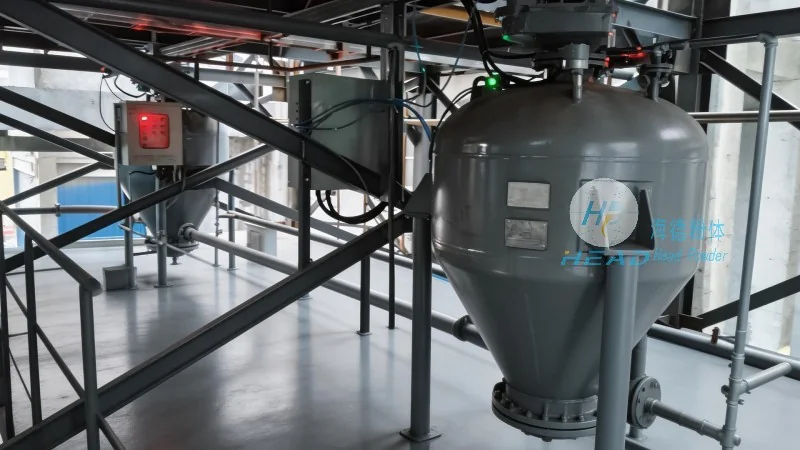
The diameter of the conveying pipeline is another critical parameter that affects the risk of blockages. A larger diameter allows for a higher volume of material to be transported, reducing the likelihood of particle accumulation. However, the diameter must be matched with the air velocity and material flow rate to avoid excessive pressure drop and energy waste. The length of the pipeline also plays a role, as longer systems may require adjustments in pressure and velocity to maintain material suspension. Proper sizing of the pipeline ensures that the material travels smoothly without the risk of clogging due to excessive friction or pressure buildup.
The concentration of soybean protein powder in the conveying stream, often expressed as the gas-solid ratio (GSR), is a key design parameter. A higher material concentration can increase the risk of blockages, as the particles have less space to move and are more likely to agglomerate. Conversely, a lower concentration may lead to inefficient use of the system and higher energy costs. The optimal GSR for soybean protein powder typically ranges from 0.1 to 0.3, depending on the system's design and operational conditions. Maintaining an appropriate GSR ensures that the material is conveyed effectively while minimizing the risk of blockages.
The design of the inlet and outlet of the pneumatic conveying system is also vital in preventing blockages. The inlet should be designed to introduce the material and air smoothly into the pipeline, avoiding turbulence that can cause particle separation or accumulation. Similarly, the outlet must be sized and positioned to allow the material to discharge without creating a bottleneck or causing material to re-enter the pipeline. Proper inlet and outlet design helps maintain consistent flow and reduces the likelihood of clogging at these critical points.
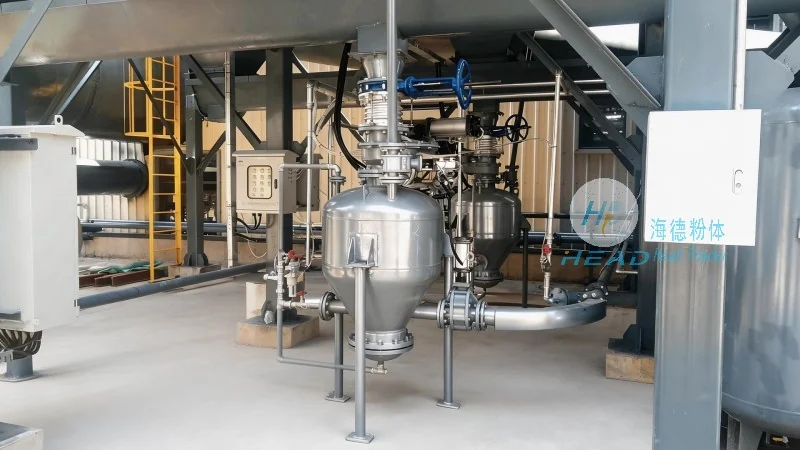
Advanced control systems and real-time monitoring are essential components of a reliable pneumatic conveying system for soybean protein powder. These systems can adjust air velocity, pressure, and material feed rates in response to changes in system conditions, such as variations in material flow or pressure drop. By continuously monitoring parameters like pressure, flow rate, and temperature, operators can detect early signs of potential blockages and take corrective action before a full system shutdown occurs. Automated controls not only enhance safety but also improve overall system efficiency and reduce maintenance costs.
Shandong HeadPowder Engineering Co., Ltd., a leading provider of pneumatic conveying solutions, specializes in designing and implementing systems tailored to the unique needs of soybean protein powder manufacturers. With years of experience in the industry, HeadPowder engineers have developed a deep understanding of the factors that contribute to pipeline blockages and have developed innovative solutions to mitigate these risks. The company's approach involves a comprehensive analysis of the material properties, operational requirements, and system constraints to design systems that meet the highest standards of efficiency and reliability.
Preventing pipeline blockages in pneumatic conveying systems for soybean protein powder requires a systematic approach that considers multiple design parameters. By optimizing air velocity and pressure, selecting appropriate pipeline dimensions, maintaining optimal material concentration, and implementing effective inlet/outlet and control systems, manufacturers can significantly reduce the risk of blockages and improve overall system performance. Companies like Shandong HeadPowder Engineering Co., Ltd. play a crucial role in providing expert guidance and tailored solutions to ensure that pneumatic conveying systems operate efficiently and reliably, supporting the production of high-quality soybean protein powder without interruptions.

 Shandong Headpowder Engineering Co., Ltd.
 156-6277-7102(Manager Zhang)
  0531-83386006
  Zhangqiu District, Jinan City, Shandong Province, China
telephone
WeChatconsult
top