With more than 10‑year industry experience, Shandong Headpowder delivers full‑service pneumatic‑conveying systems and blowers, undertaking nationwide turn‑key powder‑handling projects.
Carboxymethyl cellulose (CMC) is a widely used industrial chemical with unique rheological properties that can pose significant challenges during pneumatic conveying. One of the most critical issues in CMC transport is the risk of pipe blockages, which can halt production, increase maintenance costs, and reduce overall system efficiency. To address this, the design of airslide conveying systems requires careful consideration of several key parameters that directly impact the prevention of blockages and ensure smooth operation.
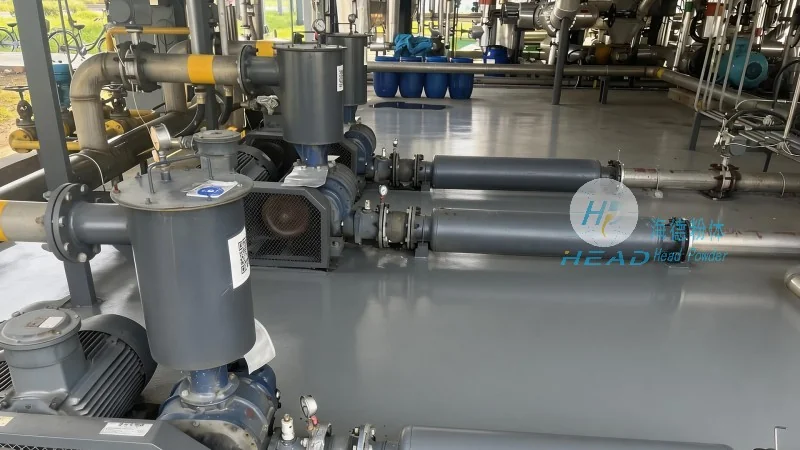
The pressure and airflow within the pneumatic conveying system are fundamental to preventing blockages in CMC transport. Insufficient air pressure or flow rate can lead to inadequate suspension of the CMC particles, causing them to settle and accumulate in the pipeline. Conversely, excessive pressure may cause excessive wear on components and increase energy consumption. The optimal pressure range for CMC is typically determined by the particle size distribution, moisture content, and bulk density of the material. For example, systems designed for fine CMC powders often operate at lower pressures (around 0.5-1.5 bar) to maintain a stable suspension, while larger particles may require higher pressures (up to 3 bar) to ensure proper transport. The airflow velocity must also be carefully controlled to avoid both under-suspension and excessive particle impact on the pipeline walls. A balanced approach ensures that CMC particles remain suspended in the air stream without causing erosion or abrasion to the pipe interior.
The diameter of the conveying pipeline is another critical factor in preventing blockages. Smaller diameter pipes increase the risk of particle accumulation due to higher friction losses and reduced suspension capacity. Larger diameters, on the other hand, may require higher air volumes and increase energy costs. For CMC, a common practice is to use pipes with diameters ranging from 50 mm to 150 mm, depending on the production scale and material flow rate. The material of the pipeline itself is equally important. Stainless steel or corrosion-resistant alloys are preferred for CMC, as the material can be hygroscopic and may cause corrosion with less durable materials. Smooth interior surfaces are also essential to minimize friction and prevent particle adhesion. The use of internal liners or coatings can further enhance the pipe's resistance to CMC buildup, ensuring long-term system reliability.
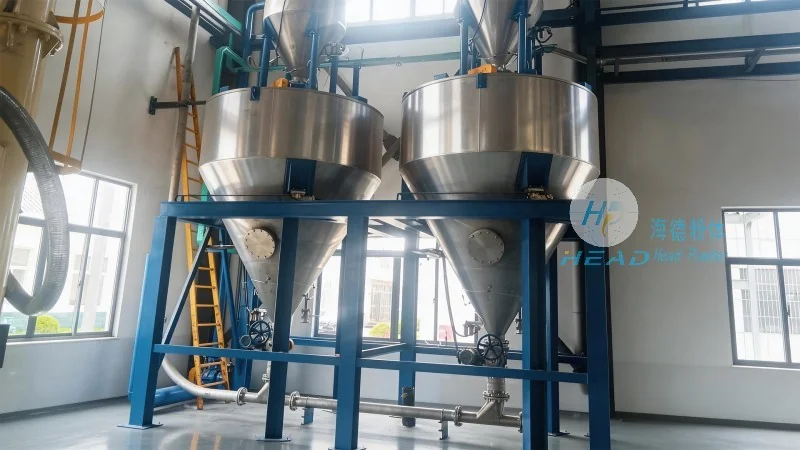
Proper control of the material feed rate is vital to maintaining a consistent flow and preventing overloading of the conveying system. Sudden surges in feed can cause the air stream to become saturated, leading to particle deposition and blockages. Conversely, too low a feed rate may result in inefficient use of air and reduced system capacity. Feed control systems, such as screw feeders or rotary valves, are commonly used to regulate the CMC input. These systems are designed to match the air flow rate precisely, ensuring that the material is introduced at a rate that maintains a stable suspension. Additionally, the use of variable speed drives allows for dynamic adjustment of the feed rate based on real-time system conditions, providing flexibility in handling varying CMC loads. This control mechanism is particularly important during start-up and shutdown procedures, where sudden changes in flow can trigger blockages.
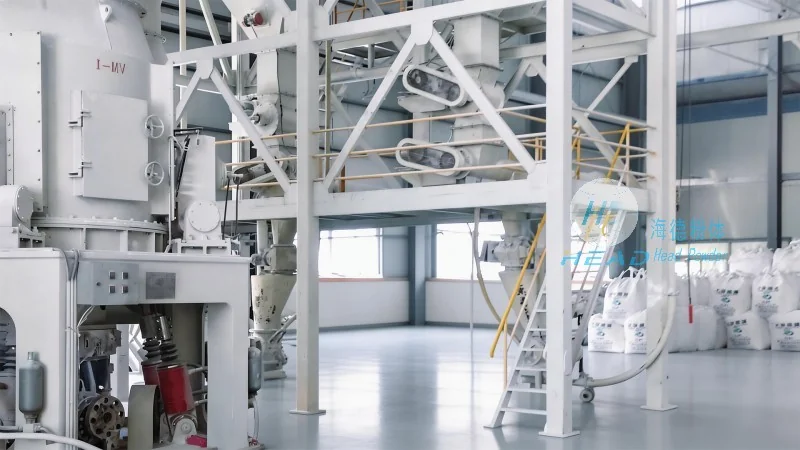
The moisture content and particle size distribution of CMC significantly influence the pneumatic conveying characteristics. CMC is hygroscopic, meaning it can absorb moisture from the air, which can affect its flowability and suspension behavior. Higher moisture levels may cause the material to clump or agglomerate, increasing the risk of blockages. Therefore, it is essential to control the moisture content of the CMC before it enters the conveying system. This can be achieved through drying processes or by using moisture-resistant storage and handling equipment. The particle size distribution is equally critical. Fine particles (less than 100 microns) are more prone to settling and require higher airflow rates to remain suspended. Coarser particles (greater than 200 microns) may settle more slowly but can cause increased wear on the pipeline and components. The design of the airslide system must account for the specific particle size distribution of the CMC being transported, ensuring that the system parameters are optimized for the material's physical properties.
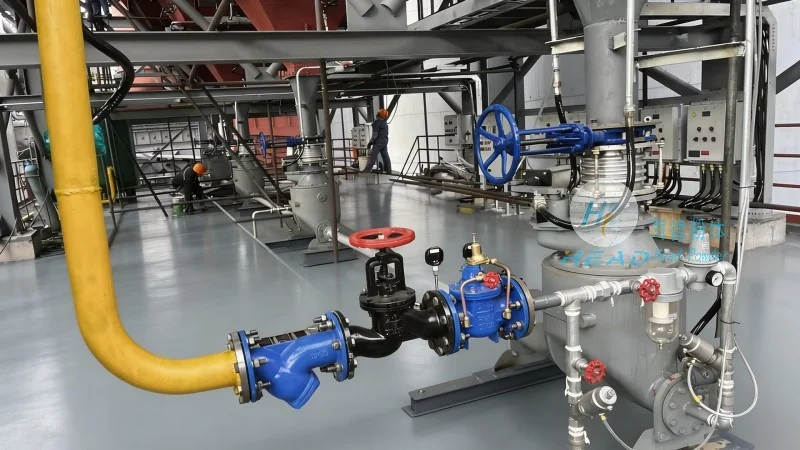
Even with optimal design, regular maintenance and monitoring are necessary to prevent blockages and ensure the longevity of the airslide conveying system. Routine inspections of the pipeline for signs of wear, corrosion, or buildup are essential. The use of inline sensors, such as pressure transducers or flow meters, can provide real-time data on system performance and alert operators to potential issues before blockages occur. Additionally, periodic cleaning of the pipeline and components is required to remove any accumulated CMC residue. This can be done using air blasts or mechanical cleaning tools, depending on the system design. The implementation of a preventive maintenance schedule, including regular checks of air filters, pressure regulators, and feed mechanisms, helps to identify and address potential problems early, reducing the likelihood of unexpected blockages and minimizing downtime.
In conclusion, preventing pipe blockages in airslide conveying systems for carboxymethyl cellulose requires a comprehensive approach that integrates system design, operational parameters, and maintenance practices. By carefully considering factors such as pressure and airflow management, pipeline diameter and material selection, flow rate control, moisture and particle size considerations, and regular monitoring, manufacturers can ensure efficient and reliable CMC transport. The expertise of companies like Shandong HeadPowder Engineering Co., Ltd., with their focus on tailored pneumatic conveying solutions, plays a crucial role in optimizing these parameters for specific industrial applications. Through adherence to these key design principles, the risk of blockages can be minimized, leading to improved productivity, reduced costs, and enhanced overall system performance in CMC processing operations.

 Shandong Headpowder Engineering Co., Ltd.
 156-6277-7102(Manager Zhang)
  0531-83386006
  Zhangqiu District, Jinan City, Shandong Province, China
telephone
WeChatconsult
top