With more than 10‑year industry experience, Shandong Headpowder delivers full‑service pneumatic‑conveying systems and blowers, undertaking nationwide turn‑key powder‑handling projects.
High-alumina fly ash, a byproduct of coal combustion in thermal power plants, presents unique handling challenges due to its chemical properties and particle characteristics. The high-alumina fly ash pneumatic conveying equipment is engineered to address these challenges, offering an efficient and reliable method for transporting this material from source to destination. This equipment utilizes air as the conveying medium, enabling the transport of high-alumina fly ash through pipelines without the need for mechanical components like buckets or belts. The system typically consists of a hopper, a blower or compressor, a pipeline network, and a discharge point, all working in tandem to ensure smooth material transfer.
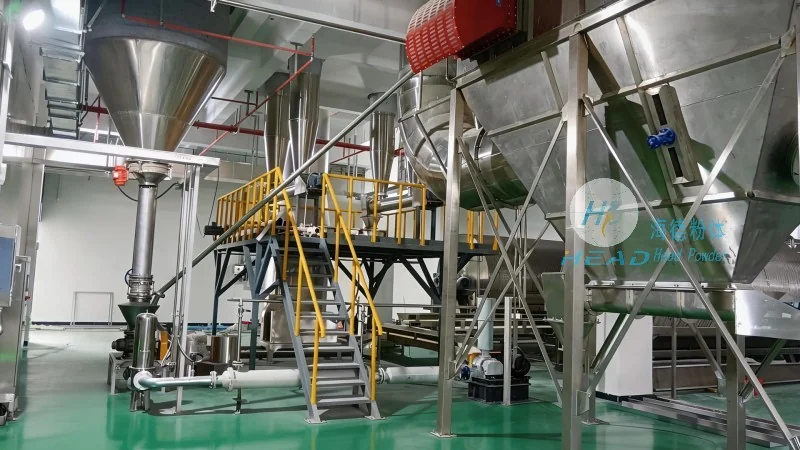
The core principle of high-alumina fly ash pneumatic conveying involves creating a flow of air within a pipeline that lifts and transports the material. The process begins with the material being fed into the hopper, where it is then drawn into the pipeline by the air flow generated by the blower. The air velocity is carefully controlled to maintain a consistent flow rate, ensuring that the fly ash particles are fully entrained and transported without clogging or degradation. The system can operate in either positive or negative pressure modes, depending on the specific application and layout of the conveying line. Positive pressure systems are commonly used for short to medium distance conveying, while negative pressure systems are preferred for longer distances or when the material needs to be collected from multiple sources.
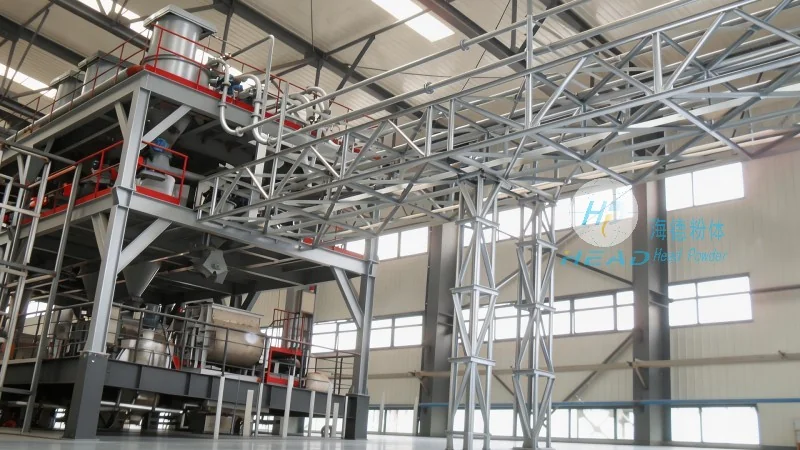
High-alumina fly ash pneumatic conveying equipment offers several advantages over traditional mechanical conveying methods. Firstly, it eliminates the need for moving parts that can wear out or require maintenance, reducing operational costs and downtime. Secondly, the enclosed pipeline system prevents dust emissions, enhancing workplace safety and compliance with environmental regulations. Thirdly, the system can handle a wide range of particle sizes and moisture contents, making it suitable for various high-alumina fly ash compositions. Additionally, the equipment is designed for high efficiency, with minimal energy consumption compared to other conveying technologies. The modular design allows for easy expansion or modification to accommodate changing production needs, providing flexibility for industrial applications.
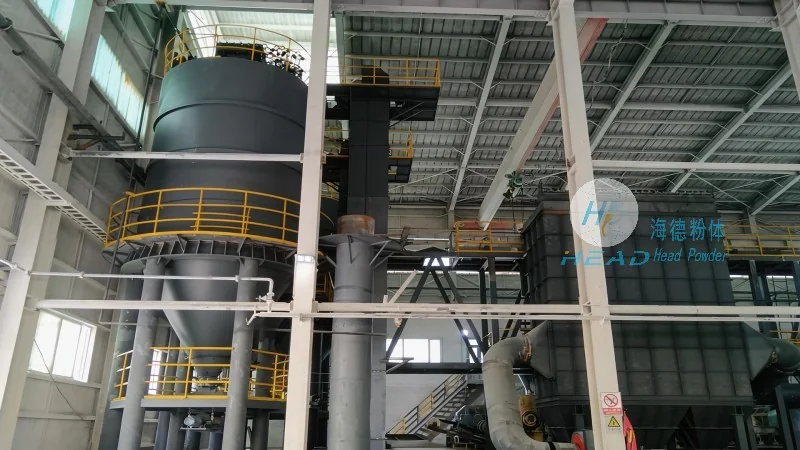
The working scene characteristics of high-alumina fly ash pneumatic conveying equipment are tailored to the specific requirements of industrial environments. In thermal power plants, the equipment is typically installed in the ash handling system, connecting the bottom ash and fly ash collection points to the storage or disposal facilities. The conveying lines are often integrated with the existing plant infrastructure, minimizing the need for new construction. The equipment operates continuously, matching the production rate of the power plant, ensuring a steady supply of fly ash for downstream processes such as cement production or landfill disposal. In cement plants, high-alumina fly ash is commonly used as a supplementary cementitious material, and the pneumatic conveying system facilitates its transport from the power plant to the cement plant, where it is mixed with clinker and other raw materials. The system is also suitable for industrial facilities that process high-alumina fly ash for use as a raw material in refractory production or as a component in construction materials. The working scene is characterized by high material throughput, consistent performance, and the ability to handle large volumes of fly ash over extended periods.
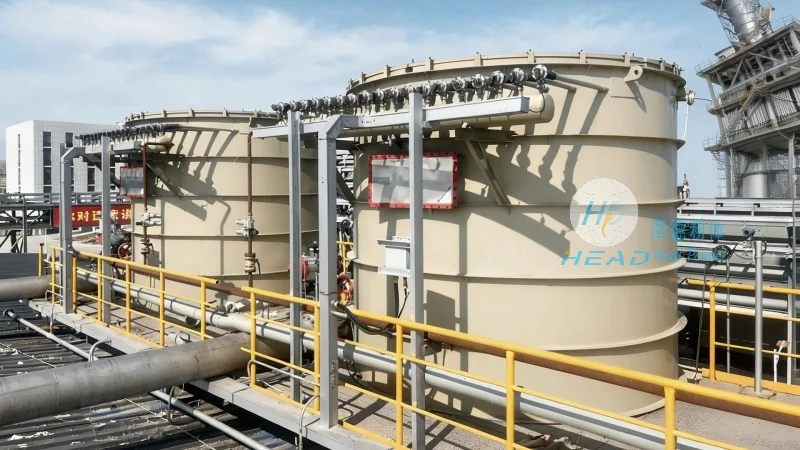
HeadPowder, a leading provider of engineering solutions for material handling, specializes in the design, manufacturing, and installation of high-alumina fly ash pneumatic conveying equipment. With a strong presence in Shandong, China, HeadPowder Engineering Co., Ltd. leverages decades of experience in the industry to deliver customized solutions that meet the unique needs of each client. The company's team of engineers and technicians works closely with clients to assess their specific requirements, from the type of fly ash to be handled and the distance of the conveying line to the environmental and safety regulations in the operating area. HeadPowder offers comprehensive services, including system design, equipment supply, installation, and commissioning, ensuring that the final solution is both efficient and compliant. The company's commitment to quality and customer satisfaction has made it a trusted partner for power plants, cement manufacturers, and other industrial facilities worldwide.

 Shandong Headpowder Engineering Co., Ltd.
 156-6277-7102(Manager Zhang)
  0531-83386006
  Zhangqiu District, Jinan City, Shandong Province, China
telephone
WeChatconsult
top