With more than 10‑year industry experience, Shandong Headpowder delivers full‑service pneumatic‑conveying systems and blowers, undertaking nationwide turn‑key powder‑handling projects.
Shandong HeadPowder Engineering Co., Ltd., commonly known as headpowder, is a professional manufacturer and supplier specializing in pneumatic conveying systems for various industrial applications. With a focus on innovation and quality, the company has established itself as a trusted partner in the field of material handling solutions. HeadPowder is headquartered in Shandong, China, and serves clients globally with tailored equipment designed to meet specific operational needs.
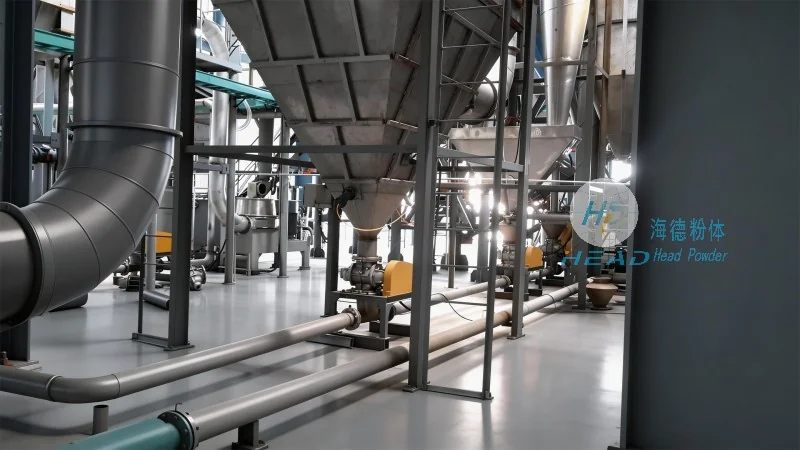
The iron ore fines pneumatic conveying equipment operates on the fundamental principle of using compressed air or other gas to transport bulk materials like iron ore fines through a pipeline system. This method, known as pneumatic conveying, involves creating a flow of air that lifts and propels the fine particles from the source to the destination. The system typically consists of a hopper for material storage, a blower or compressor to generate the necessary air pressure, and a pipeline network that guides the material. The air velocity within the pipeline is crucial; it must be sufficient to overcome the gravitational force acting on the particles and maintain a stable flow. By controlling the air pressure and flow rate, the equipment ensures efficient and reliable transportation of iron ore fines, minimizing material degradation and system downtime.
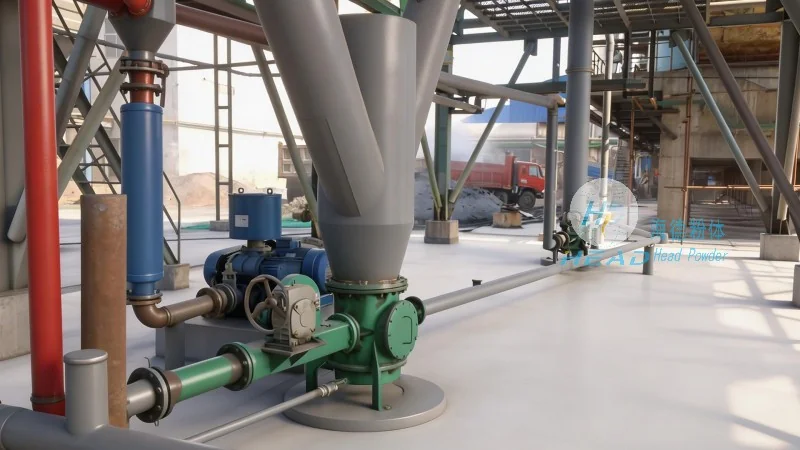
The working scene characteristics of iron ore fines pneumatic conveying equipment are tailored to the specific demands of iron ore processing facilities. These systems are commonly employed in scenarios where the material needs to be transported over long distances or between different processing stages, such as from ore storage to crushing plants, or from grinding mills to storage silos. The equipment is designed to handle the fine, abrasive nature of iron ore fines, which can cause wear on traditional mechanical conveyors. Pneumatic conveying offers a solution by reducing material handling losses and preventing contamination from external sources. Additionally, the system's flexibility allows for easy integration with existing infrastructure, making it suitable for both new installations and retrofits in existing iron ore processing plants. The working environment typically involves high volumes of material, requiring the equipment to maintain consistent performance under continuous operation. This ensures that the iron ore fines are delivered to the next stage of processing without interruption, contributing to overall operational efficiency.
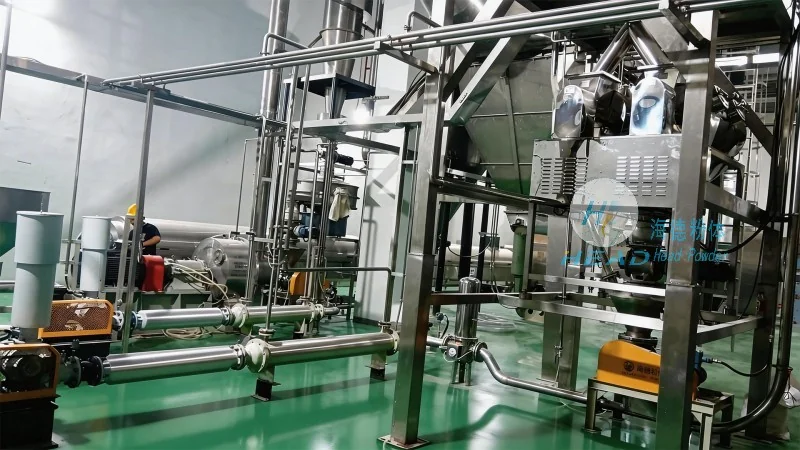
The operation of iron ore fines pneumatic conveying equipment involves several key components that work in tandem to ensure smooth material transport. The process begins with the material being fed into a hopper, where it is stored and prepared for transport. A rotary valve or feeder then regulates the flow of iron ore fines into the pipeline, ensuring a consistent feed rate. The blower or compressor generates the required air pressure, which is introduced into the pipeline through a venturi or other air injection device. As the air flows through the pipeline, it picks up the iron ore fines, forming a slurry-like mixture that is carried to the destination. The receiving hopper at the end of the pipeline allows the material to settle and be discharged into the next processing stage. The system also includes control mechanisms to monitor air pressure, flow rate, and material level, ensuring optimal performance and preventing issues such as blockages or excessive wear.
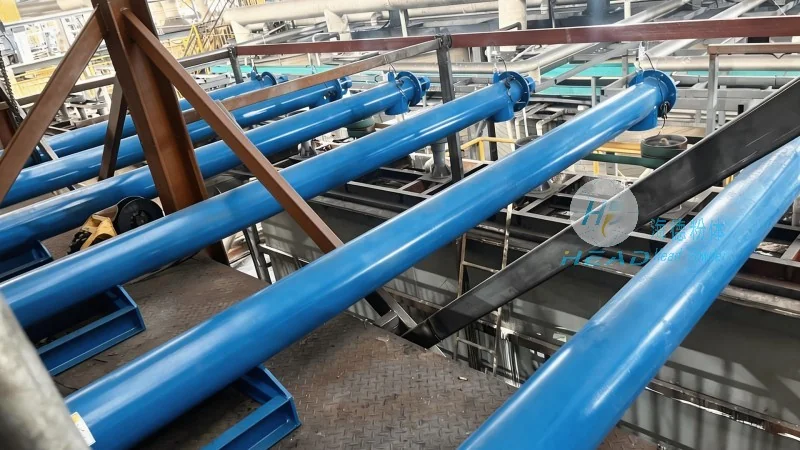
Iron ore fines pneumatic conveying equipment offers several advantages over traditional mechanical conveyors in iron ore processing applications. Firstly, it provides a dust-free and enclosed transport system, which is critical for maintaining a safe and clean working environment in industrial facilities. Unlike belt or screw conveyors, pneumatic systems minimize dust generation, reducing the risk of respiratory issues for workers and preventing contamination of the material. Secondly, the equipment is highly efficient in transporting fine particles over long distances, with minimal material loss and degradation. This is particularly important for iron ore fines, which are prone to attrition and can lose their quality if handled improperly. Thirdly, the system is flexible and can be easily adapted to changing production requirements, allowing for adjustments in material flow rates or pipeline configurations without significant modifications. This adaptability makes it suitable for both continuous and intermittent operation in iron ore processing plants. Finally, the equipment requires less maintenance compared to mechanical conveyors, as there are fewer moving parts and less wear from abrasive materials. This results in lower operational costs and increased system reliability over time.

 Shandong Headpowder Engineering Co., Ltd.
 156-6277-7102(Manager Zhang)
  0531-83386006
  Zhangqiu District, Jinan City, Shandong Province, China
telephone
WeChatconsult
top