With more than 10‑year industry experience, Shandong Headpowder delivers full‑service pneumatic‑conveying systems and blowers, undertaking nationwide turn‑key powder‑handling projects.
Light calcium gypsum is a widely used industrial material in construction and manufacturing processes. The efficient and reliable transportation of this material is crucial for maintaining production efficiency and ensuring product quality. Pneumatic conveying equipment, specifically designed for light calcium gypsum, plays a vital role in modern industrial applications. This article explores the fundamental principles behind light calcium gypsum pneumatic conveying systems and highlights the key working scene characteristics that make them suitable for various industrial environments.
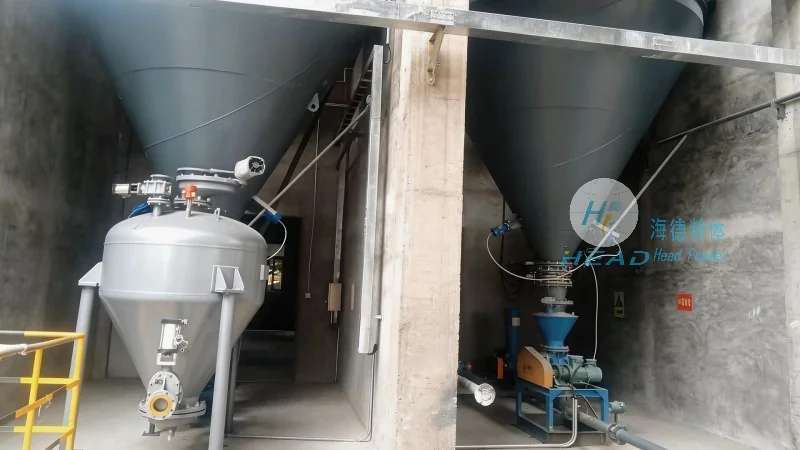
The principle of pneumatic conveying for light calcium gypsum involves the use of air or gas to transport bulk materials through a pipeline system. Unlike traditional mechanical conveying methods, such as belt conveyors or screw conveyors, pneumatic systems utilize pressure differentials to move the material. In a typical system, a blower or compressor generates a flow of air that creates a negative pressure zone in the conveying line. This negative pressure draws the light calcium gypsum particles into the pipeline, where they are carried by the moving air stream to the destination point. The design of the system, including the type of air flow (positive or negative pressure), the size of the conveying line, and the speed of the air, is carefully optimized to ensure efficient and low-loss transport of the material.
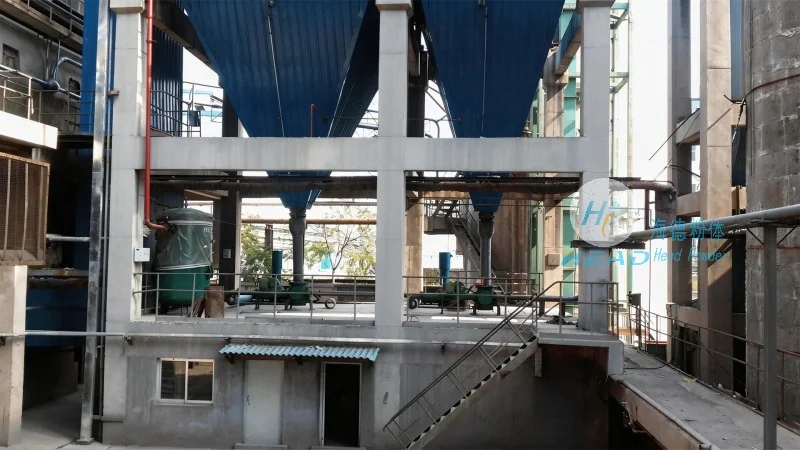
The suitability of light calcium gypsum pneumatic conveying equipment for specific working scenes is determined by several factors. First, the material's properties, such as its particle size, density, and flowability, significantly impact the system's performance. Light calcium gypsum typically has a fine particle size and low bulk density, which makes it prone to dust generation and requires specialized equipment to handle without clogging or degradation. The conveying system must be designed to minimize particle breakage and maintain the material's quality throughout the process. Second, the operating environment and space constraints play a crucial role. Pneumatic conveying systems are often preferred in applications where space is limited or where the material needs to be transported over long distances without the need for multiple transfer points. The flexibility of pneumatic systems allows for easy integration into existing production lines and the ability to adapt to different layout configurations.
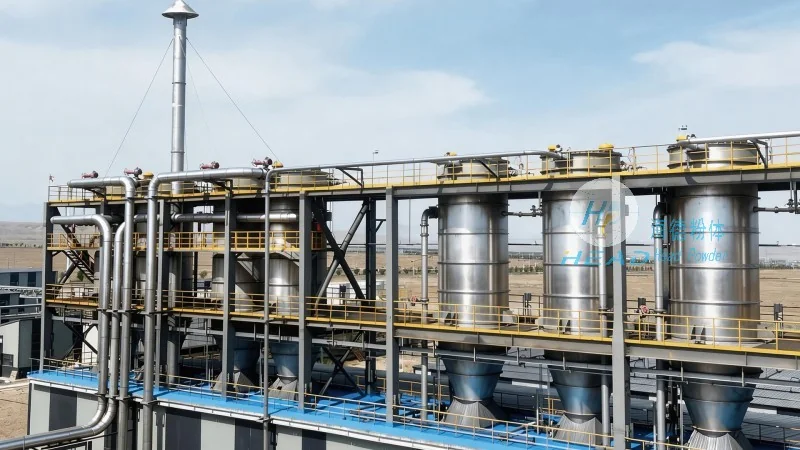
Light calcium gypsum pneumatic conveying equipment is widely used in various industrial sectors. In the construction industry, it is commonly employed in the production of gypsum boards, where the material needs to be transported from storage silos to processing units. The system ensures a consistent and dust-free supply of light calcium gypsum, which is essential for maintaining the quality of the final product. In the manufacturing sector, particularly in the production of building materials and chemical products, pneumatic conveying systems are used to transport raw materials and intermediate products between different processing stages. The ability to handle fine powders without the need for manual handling reduces labor costs and improves workplace safety. Additionally, the system's ability to operate in a closed environment helps to control dust emissions and maintain a clean working environment, which is critical in industries where air quality regulations are stringent.
Implementing a light calcium gypsum pneumatic conveying system offers several advantages over traditional conveying methods. One of the primary benefits is the reduction in material handling costs and labor requirements. The automated nature of the system minimizes the need for manual loading and unloading, which not only saves time but also reduces the risk of accidents and material contamination. Another advantage is the improved material quality and consistency. By maintaining a closed system and controlling the flow of air, the system prevents the material from being exposed to moisture or contaminants, which can affect its performance in downstream processes. However, there are also considerations to keep in mind when selecting a pneumatic conveying system. The initial investment cost can be higher compared to mechanical systems, and the maintenance requirements may be more complex due to the need for regular air filter replacement and system cleaning. Additionally, the system's performance is highly dependent on the proper sizing of the conveying line and the selection of the appropriate air flow rate, which requires careful engineering and testing.
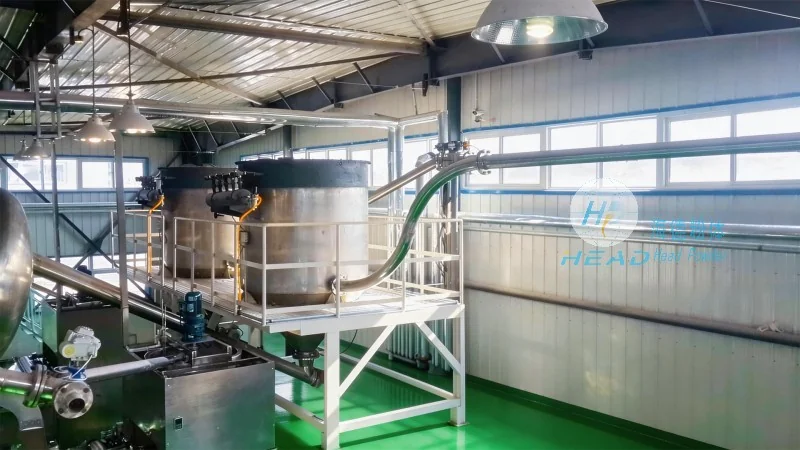
Shandong HeadPowder Engineering Co., Ltd., operating under the brand name HeadPowder, is a leading manufacturer and supplier of industrial conveying equipment. With a focus on innovation and quality, the company specializes in designing and manufacturing pneumatic conveying systems tailored to the specific needs of various industries. HeadPowder's expertise lies in understanding the unique properties of different bulk materials, such as light calcium gypsum, and developing customized solutions that optimize material transport efficiency and reliability. The company's products are known for their durability, efficiency, and compliance with industry standards, making them a trusted choice for businesses seeking to enhance their production processes. HeadPowder is committed to providing comprehensive support, from system design and installation to ongoing maintenance and technical assistance, ensuring that clients achieve optimal performance and long-term value from their conveying equipment.

 Shandong Headpowder Engineering Co., Ltd.
 156-6277-7102(Manager Zhang)
  0531-83386006
  Zhangqiu District, Jinan City, Shandong Province, China
telephone
WeChatconsult
top