

Principles and Application Scenarios of Pharmaceutical Pneumatic Conveying Equipment
Pharmaceutical pneumatic conveying equipment plays a vital role in modern pharmaceutical manufacturing, providing a reliable and efficient method for transporting powders and granules. This technology is based on the principle of using air or gas to move material through a closed pipeline system, offering a contamination-free solution that aligns with stringent industry standards. The equipment is designed to handle sensitive pharmaceutical materials, ensuring product integrity and compliance with Good Manufacturing Practice (GMP) regulations. As a result, it has become an indispensable tool in the pharmaceutical industry, supporting processes from raw material handling to final product packaging.
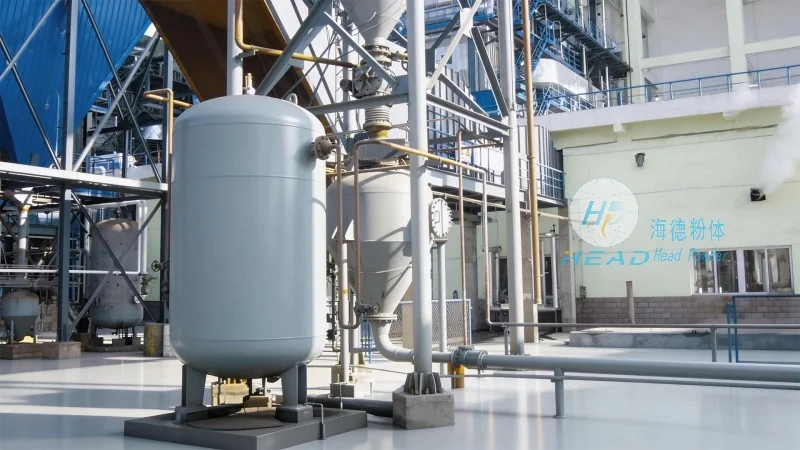
Core Principles of Pneumatic Conveying Systems
The fundamental operation of pharmaceutical pneumatic conveying systems revolves around creating a pressure differential or vacuum to move material. Two primary types are widely used: aspiration (or vacuum) systems and pressure (or positive) systems. Aspiration systems utilize a vacuum to draw material from a source, such as a hopper or silo, into the conveying line. This method is particularly suitable for delicate powders, as it minimizes particle breakage and degradation during transport. Pressure systems, conversely, employ compressed air to push material through the pipeline, typically from a storage vessel to a processing unit. Both systems are engineered with features like HEPA filters and stainless steel construction to maintain a sterile environment and prevent contamination. The choice between the two depends on factors such as material properties, required flow rate, and system layout.
Key Advantages in Pharmaceutical Applications
Pharmaceutical pneumatic conveying equipment offers several key advantages that make it ideal for the industry. Firstly, it provides a closed-loop system, which eliminates the risk of cross-contamination between different product batches or with the external environment. This is critical in GMP compliance, where product purity and consistency are non-negotiable. Secondly, the equipment is designed for gentle handling, which is essential for fragile or heat-sensitive powders. This prevents agglomeration, caking, or degradation, ensuring that the material remains in its optimal state throughout the process. Thirdly, the systems are highly flexible, allowing for multiple inlets and outlets, which enables complex material flow paths within a facility. This flexibility supports efficient integration with other processing equipment, such as mixers, blenders, and packaging lines, enhancing overall production efficiency.
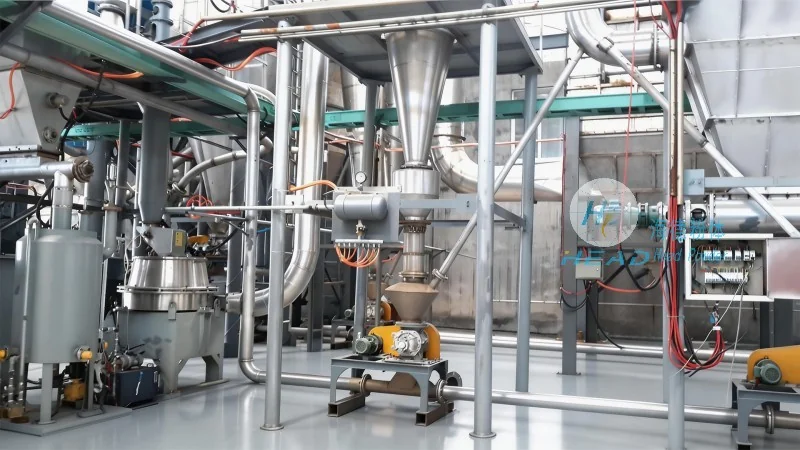
Common Application Scenarios in Pharmaceutical Manufacturing
Pharmaceutical pneumatic conveying equipment is utilized across various stages of drug production. In the raw material handling phase, it efficiently transports bulk powders from storage silos to processing areas, ensuring a continuous and controlled supply of ingredients. During the manufacturing process, it can transfer active pharmaceutical ingredients (APIs), excipients, and intermediates between different processing units, such as reactors, dryers, and granulators. In the final packaging stage, the equipment is used to move finished powders or granules from storage to packaging machines, ensuring a seamless transition from production to distribution. Each application is tailored to meet specific process requirements, such as material flow rate, particle size, and moisture content, with adjustable parameters to optimize performance. For example, in a tablet manufacturing line, the system may transport raw materials to a mixer, then to a granulator, and finally to a dryer, all while maintaining a sterile and controlled environment.
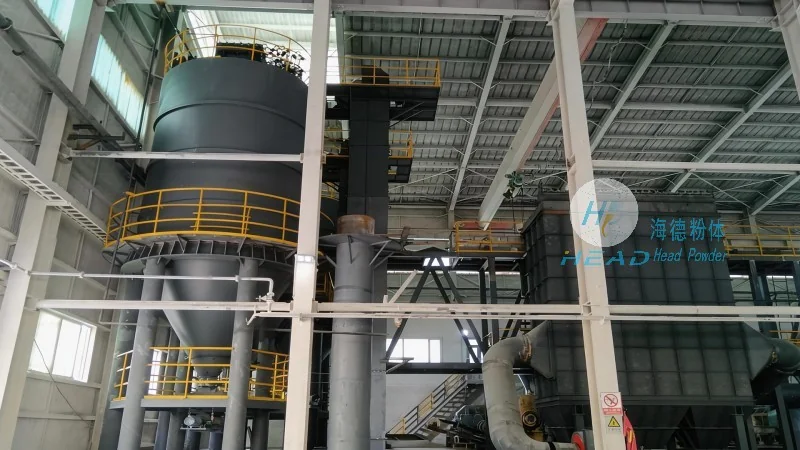
Ensuring GMP Compliance and Quality Control
Compliance with GMP standards is a top priority in pharmaceutical manufacturing, and pneumatic conveying systems are engineered to meet these stringent requirements. The equipment typically features stainless steel construction, which is easy to clean and sanitize, reducing the risk of microbial growth. Additionally, components like filters and seals are designed to prevent leaks and contamination. Many systems include monitoring and control features, such as pressure sensors and flow meters, which allow operators to track performance and ensure consistent operation. These features help pharmaceutical manufacturers maintain regulatory compliance and ensure product quality throughout the production lifecycle. Regular maintenance and calibration of the equipment are also essential to ensure ongoing compliance and performance.
Customization and Scalability for Pharmaceutical Needs
Pharmaceutical pneumatic conveying equipment is often customized to meet the specific needs of individual manufacturers. This includes adjustments to the conveying line diameter, material of construction (e.g., stainless steel, PTFE-coated), and control systems. The equipment can be scaled to accommodate different production volumes, from small-scale R&D facilities to large-scale commercial production lines. For instance, a small-scale laboratory may use a compact, low-capacity system for pilot testing, while a large pharmaceutical plant may employ a high-capacity system with multiple branches to handle large volumes of material. Customization also extends to integration with existing infrastructure, ensuring that the new equipment can seamlessly connect with existing processing lines without disrupting operations. This flexibility allows manufacturers to adapt their systems as production needs evolve, ensuring long-term efficiency and compliance.