

Principle and Working Scene Characteristics of Denitrification Fly Ash Pneumatic Conveying Equipment
HeadPowder, a leading provider in the field of industrial material handling solutions, specializes in the design, manufacturing, and installation of advanced pneumatic conveying systems. Our company, Shandong HeadPowder Engineering Co., Ltd., is headquartered in Shandong, China, and has established a strong reputation for delivering high-quality equipment tailored to meet the specific needs of various industrial applications. The denitrification fly ash pneumatic conveying equipment is a critical component in modern power plants and industrial facilities, playing a vital role in the efficient handling and transportation of fly ash generated during the flue gas desulfurization and denitrification processes. This equipment is essential for ensuring the smooth operation of flue gas treatment systems and for maintaining compliance with environmental regulations.
Working Principle of the Equipment
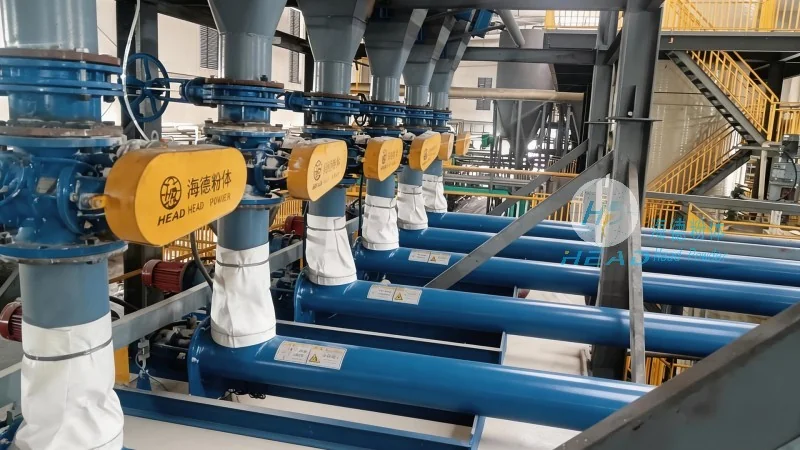
The denitrification fly ash pneumatic conveying system operates on the principle of pneumatic transport, utilizing air as the medium to move solid materials. The system typically consists of several key components, including a dust collector, a conveying pipeline, a blower or fan, and a discharge device. The process begins with the collection of fly ash from the denitrification unit. The ash is then fed into the conveying pipeline through a hopper or feeder. The blower generates a high-pressure air stream that propels the ash particles through the pipeline to the designated discharge point. The system may incorporate features such as cyclone separators or filters to ensure the air is cleaned and recycled, minimizing environmental impact and maintaining operational efficiency. The air is typically compressed to a pressure of 0.5 to 1.0 bar, depending on the distance and material characteristics, to ensure sufficient force for conveying the fly ash. The conveying velocity is carefully controlled to prevent particle segregation and ensure consistent flow.
Key Features and Technical Specifications
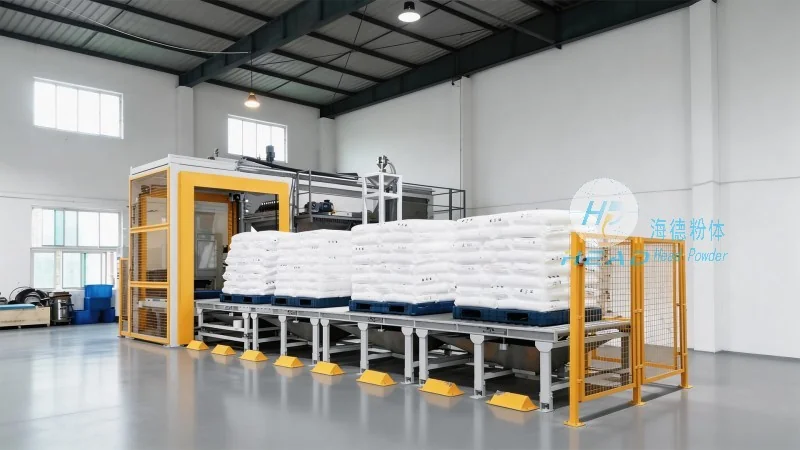
Our denitrification fly ash pneumatic conveying equipment is engineered with precision to handle the unique characteristics of fly ash, which is often fine, abrasive, and potentially corrosive. The design incorporates robust materials, such as stainless steel or corrosion-resistant alloys, to withstand the harsh conditions. The conveying pipeline is equipped with smooth, low-friction surfaces, such as polyurethane or PTFE, to reduce wear and ensure consistent flow. The system is also designed for flexibility, allowing for adjustments in conveying distance and material flow rate. The blower is equipped with variable speed drives to allow for precise control of the air flow, optimizing energy consumption. The equipment is also equipped with safety features, including pressure relief valves and emergency shut-off mechanisms, to prevent accidents and ensure safe operation. The system is designed to meet international standards for safety and environmental protection, ensuring compliance with regulations in various regions.
Working Scene Characteristics
The denitrification fly ash pneumatic conveying equipment is primarily used in power plants and industrial facilities where flue gas treatment is required. The working scene typically involves the integration of the conveying system with the existing denitrification and flue gas treatment infrastructure. The equipment is designed to operate in environments with varying temperatures and humidity levels, making it suitable for both indoor and outdoor applications. The system is also capable of handling large volumes of fly ash, ensuring efficient and continuous operation. The working scene characteristics include the need for high reliability and low maintenance, as any downtime can impact the overall performance of the flue gas treatment process. The equipment is also designed to minimize the risk of dust emissions, adhering to environmental regulations and maintaining a safe working environment for personnel. The system is often installed in areas where space is limited, and the flexible pipeline design allows for easy integration into existing layouts.
Advantages and Applications
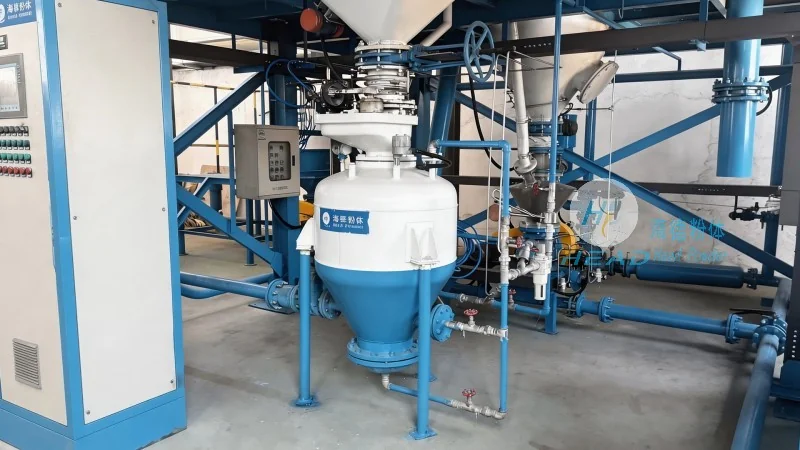
The denitrification fly ash pneumatic conveying equipment offers several advantages over traditional methods of fly ash handling, such as bucket elevators or belt conveyors. The pneumatic system provides a more efficient and flexible solution, allowing for the transportation of fly ash over longer distances and through complex layouts. The system also reduces the risk of dust contamination and improves safety by eliminating the need for manual handling of ash. The equipment is widely used in applications where the fly ash needs to be transported to storage facilities, recycling plants, or disposal sites. The advantages include reduced labor costs, lower energy consumption, and improved environmental performance. The system is also suitable for handling other fine powders and granular materials, making it a versatile solution for various industrial needs. The equipment has been successfully implemented in numerous power plants and industrial facilities, demonstrating its reliability and effectiveness in real-world applications.