Principle and Working Scene Characteristics of Glutinous Rice Pneumatic Conveying Systems
Release time:2026-09-18 16:01:28
name of the company:Shandong Headpowder Engineering Co., Ltd.
telephone:156-6277-7102
contacts:Manager Zhang
Glutinous rice, a staple in many Asian cuisines, requires efficient and hygienic handling during processing and transportation. The pneumatic conveying system, a technology that uses air to transport bulk materials, has become a critical solution for the food industry, especially for handling delicate and sensitive products like glutinous rice. This article explores the fundamental principles of such systems and highlights the key working scene characteristics that make them suitable for modern food processing operations.
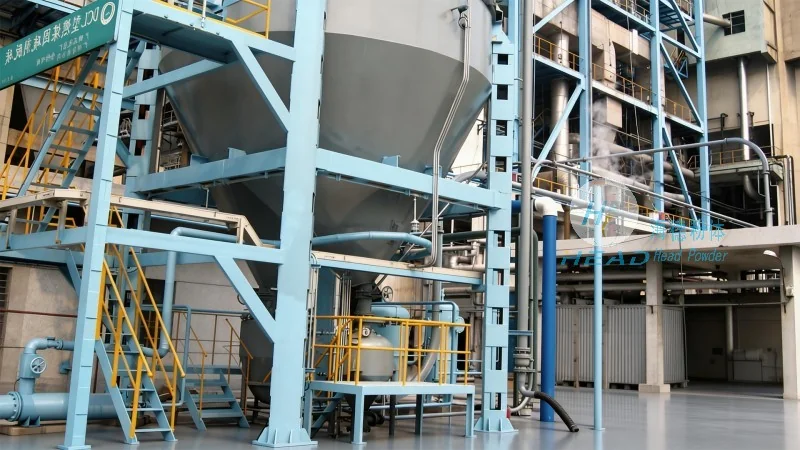
Principle of Pneumatic Conveying Systems
The core principle of a pneumatic conveying system involves the use of air pressure to move materials through a pipeline. In the case of glutinous rice, the system typically operates under positive pressure, where air is forced through the pipeline, carrying the rice particles along. The system consists of several key components: a feeding device to introduce the rice into the pipeline, a conveying line (often made of stainless steel to ensure hygiene and durability), a control unit to regulate air pressure and flow, and a discharge device to release the rice at the destination. The air velocity and pressure are carefully controlled to prevent product degradation, ensuring that the glutinous rice maintains its quality and texture throughout the conveying process.
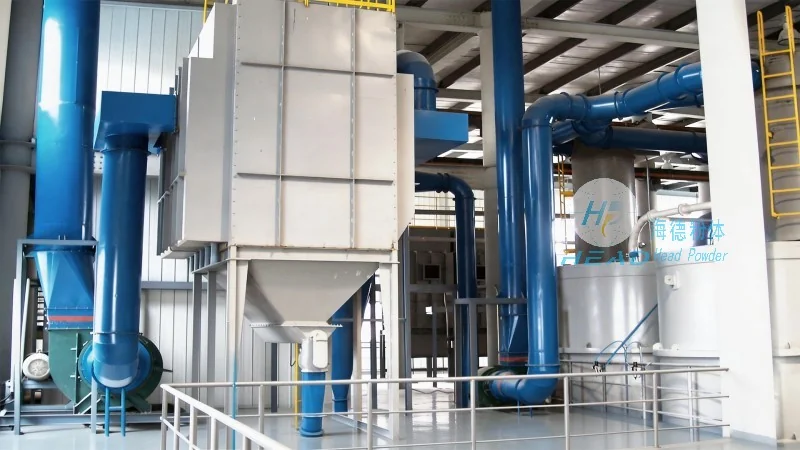
Key Working Scene Characteristics
The working scene characteristics of a glutinous rice pneumatic conveying system are tailored to meet the specific demands of food processing environments. These characteristics include:
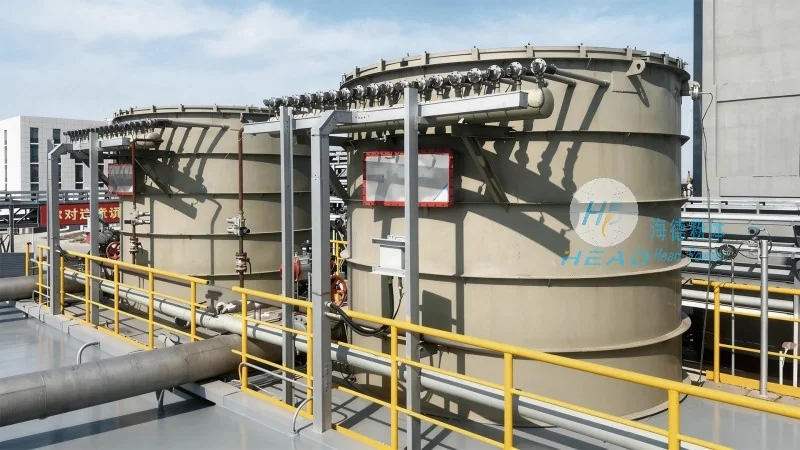
- Hygienic Design: The system is constructed with food-grade materials, such as stainless steel, to comply with food safety regulations. Smooth surfaces and minimal dead zones are incorporated to prevent product accumulation and contamination, which is crucial for maintaining the purity of glutinous rice.
- Low Product Damage: The air velocity and pressure are optimized to minimize mechanical stress on the rice grains. This is essential for preserving the delicate structure of glutinous rice, which can easily break or lose its quality if subjected to excessive force during transportation.
- Efficient Material Handling: The system can handle large volumes of glutinous rice with high efficiency, reducing labor costs and improving production throughput. It eliminates the need for manual handling, which is not only labor-intensive but also poses health and safety risks in food processing facilities.
- Flexible Installation: Pneumatic conveying systems can be installed in various configurations, including horizontal, vertical, or a combination of both, to suit the layout of food processing plants. This flexibility allows for seamless integration into existing production lines, minimizing downtime and installation costs.
Application Scenarios
Glutinous rice pneumatic conveying systems are widely used in various stages of the food processing industry. Some common application scenarios include:
- Raw Material Handling: In rice mills, the system is used to transport raw glutinous rice from storage silos to processing equipment, such as hullers and polishers. This ensures a continuous and clean flow of raw material, enhancing the overall efficiency of the milling process.
- Product Packaging: After processing, the system can transport the finished glutinous rice products, such as rice cakes or rice flour, to packaging lines. This allows for a seamless transition from processing to packaging, reducing the risk of cross-contamination and maintaining product integrity.
- Quality Control: In quality control areas, the system can be used to transport samples of glutinous rice for testing and analysis. This enables rapid and accurate assessment of product quality, ensuring that only compliant products are released to the market.
Advantages of Using Pneumatic Conveying Systems for Glutinous Rice
Implementing a pneumatic conveying system for glutinous rice offers several advantages over traditional methods, such as bucket elevators or belt conveyors. These advantages include:

- Improved Hygiene and Sanitation: The enclosed pipeline design prevents contamination from external sources, ensuring that the glutinous rice remains clean and safe for consumption. This is particularly important in the food industry, where hygiene is a top priority.
- Reduced Maintenance Costs: The system has fewer moving parts compared to traditional conveyors, resulting in lower maintenance requirements and longer service life. This translates to cost savings for food processing companies over time.
- Energy Efficiency: Modern pneumatic conveying systems are designed to be energy-efficient, using less power to transport materials compared to other methods. This not only reduces operational costs but also contributes to environmental sustainability.
- Space Efficiency: The compact design of the system allows for installation in limited spaces, making it suitable for modern food processing plants with space constraints.
Conclusion
Glutinous rice pneumatic conveying systems are a reliable and efficient solution for handling glutinous rice in food processing operations. By understanding the fundamental principles and working scene characteristics of these systems, food processing companies can make informed decisions about implementing such technology to improve their production processes. With the right design and maintenance, these systems can significantly enhance the quality, safety, and efficiency of glutinous rice handling, contributing to the overall success of their operations.

 Shandong Headpowder Engineering Co., Ltd.
 156-6277-7102(Manager Zhang)
  0531-83386006
  Zhangqiu District, Jinan City, Shandong Province, China