With more than 10‑year industry experience, Shandong Headpowder delivers full‑service pneumatic‑conveying systems and blowers, undertaking nationwide turn‑key powder‑handling projects.
Aluminum foil pneumatic conveying is a specialized method for transporting aluminum foil materials through a pipeline system using air or other gas as the conveying medium. This technology is widely used in industries where aluminum foil is processed, such as packaging, electronics, and manufacturing, due to its efficiency and ability to handle delicate or lightweight materials. The following content provides an overview of the structure and operational principles of aluminum foil pneumatic conveying systems.
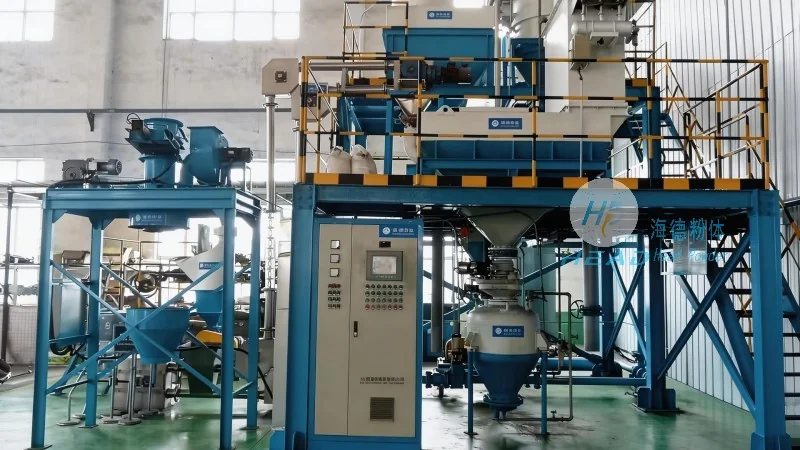
Shandong HeadPowder Engineering Co., Ltd., commonly known as HeadPowder, is a professional manufacturer and supplier of pneumatic conveying equipment. The company is headquartered in Shandong, China, and specializes in designing, manufacturing, and installing customized pneumatic conveying systems tailored to the specific needs of various industries. HeadPowder's expertise lies in understanding the unique properties of materials like aluminum foil and developing efficient solutions to ensure reliable and low-loss transportation.
Aluminum foil pneumatic conveying systems typically consist of several key components that work together to transport materials. The main components include the material feeder, conveying pipeline, separation device, and material receiver. Each component plays a crucial role in the overall operation of the system.
The material feeder is the first component in the aluminum foil pneumatic conveying system. Its primary function is to feed aluminum foil particles or sheets into the conveying pipeline at a controlled rate. For aluminum foil, which is often in the form of flakes or small pieces, a rotary valve or a screw feeder is commonly used. These devices ensure a steady and consistent flow of material into the system, preventing blockages and maintaining the desired conveying rate. The feeder is designed to handle the lightweight and potentially fragile nature of aluminum foil, minimizing material degradation during the feeding process.
The conveying pipeline is the core of the aluminum foil pneumatic conveying system, responsible for transporting the aluminum foil particles through the system. The pipeline is usually made of stainless steel or other corrosion-resistant materials to withstand the chemical properties of aluminum and the abrasive nature of the material. The design of the pipeline, including its length, diameter, and layout (horizontal, vertical, or a combination), is critical to the efficiency of the conveying process. For aluminum foil, which has low bulk density, the pipeline diameter is often larger than for denser materials to maintain sufficient air velocity and prevent material settling. The pipeline may include bends, elbows, and expansion joints to accommodate changes in direction and accommodate thermal expansion, ensuring smooth material flow.
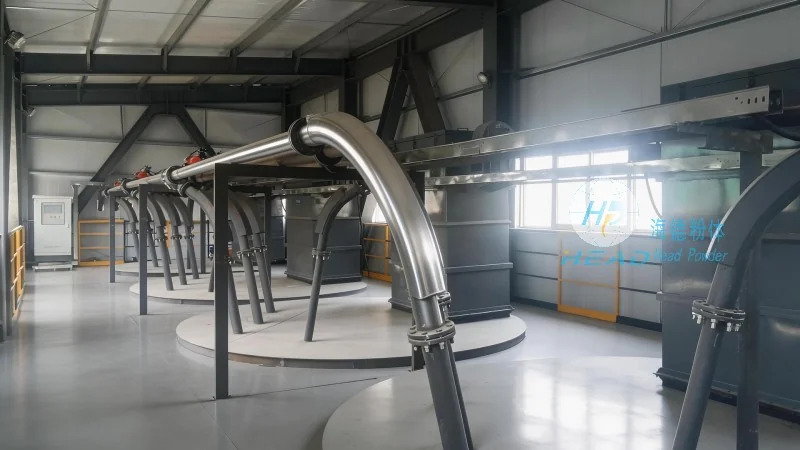
The separation device is used to separate the aluminum foil particles from the conveying air at the end of the pipeline. This is typically achieved using a cyclone separator or a bag filter. The cyclone separator works on the principle of centrifugal force, where the air and material are separated as the mixture enters the separator and moves in a circular path. The heavier aluminum foil particles are forced to the wall of the separator and fall down into the material receiver, while the air is discharged from the top. The bag filter, on the other hand, uses fabric bags to trap the particles, allowing clean air to pass through and be discharged. The choice of separation device depends on the specific characteristics of the aluminum foil, such as its size and density, and the required level of material recovery.
The material receiver is the final component of the aluminum foil pneumatic conveying system, where the aluminum foil particles are collected after being separated from the conveying air. The receiver is typically a hopper or a storage bin designed to hold the conveyed material. It is usually made of stainless steel or other materials that are compatible with aluminum and can withstand the material's weight and potential abrasiveness. The receiver is equipped with a discharge valve or a conveyor to transfer the collected aluminum foil to the next processing stage. Proper design of the receiver is essential to prevent material buildup and ensure efficient discharge.
The operational principle of aluminum foil pneumatic conveying is based on the movement of material particles within a gas stream. The system operates by creating a pressure difference between the inlet and outlet of the pipeline. At the inlet, a fan or blower generates a high-velocity air flow, which draws the aluminum foil particles into the pipeline through the feeder. The air velocity is maintained at a level sufficient to keep the particles suspended and moving along the pipeline. The pressure drop along the pipeline is managed by the design of the components, such as the feeder, pipeline diameter, and separation device, to ensure that the material is conveyed efficiently without excessive energy consumption.
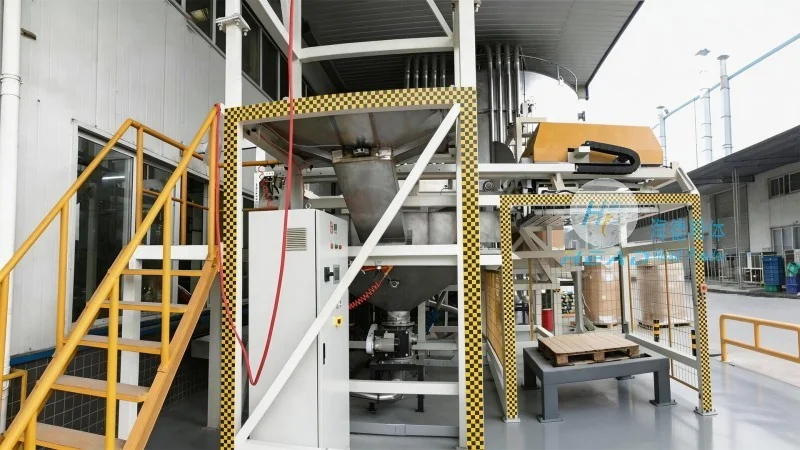
Several factors influence the performance of aluminum foil pneumatic conveying systems. These include the material properties of the aluminum foil, such as its density, size, and shape, the air velocity and pressure, the pipeline design, and the separation efficiency. The density of aluminum foil is relatively low, which means that higher air velocities are required to maintain suspension and prevent material settling. The size and shape of the foil particles also affect the conveying efficiency; smaller and more irregularly shaped particles may require higher air velocities to avoid blockages. The pipeline diameter and length also impact the pressure drop and the overall conveying capacity. Proper design and maintenance of the separation device are crucial to achieve high material recovery and prevent air pollution. HeadPowder's expertise in optimizing these factors ensures that their aluminum foil pneumatic conveying systems deliver reliable and efficient performance for their clients.
Aluminum foil pneumatic conveying offers several advantages over traditional conveying methods, such as mechanical conveying or manual handling. One of the main advantages is the ability to handle lightweight and delicate materials like aluminum foil without causing damage or degradation. The system is also highly flexible, as it can be easily adapted to different production layouts and can transport materials over long distances without the need for intermediate storage. Additionally, pneumatic conveying systems are relatively clean and can be integrated with other processing equipment, reducing the risk of contamination. The low maintenance requirements and energy efficiency of modern pneumatic conveying systems further enhance their appeal for aluminum foil processing applications.
Aluminum foil pneumatic conveying is widely used in various industries that process aluminum foil. In the packaging industry, it is used to transport aluminum foil sheets or flakes from production lines to packaging machines. In the electronics industry, it is used to convey aluminum foil components for use in circuit boards and other electronic devices. In the manufacturing industry, it is used to transport aluminum foil for use in metalworking and other processes. The versatility of aluminum foil pneumatic conveying makes it suitable for a wide range of applications, and its ability to handle delicate materials makes it an essential technology in many manufacturing processes.
Aluminum foil pneumatic conveying is a highly effective method for transporting aluminum foil materials, offering efficiency, flexibility, and reliability. The structure of the system, including the material feeder, conveying pipeline, separation device, and material receiver, is designed to handle the unique properties of aluminum foil, ensuring that the material is conveyed without damage or loss. The operational principle, based on the movement of material particles within a gas stream, is optimized to achieve high conveying efficiency and low energy consumption. HeadPowder, with its expertise in pneumatic conveying systems, provides customized solutions that meet the specific needs of industries processing aluminum foil, ensuring that their clients benefit from the advantages of this technology.

 Shandong Headpowder Engineering Co., Ltd.
 156-6277-7102(Manager Zhang)
  0531-83386006
  Zhangqiu District, Jinan City, Shandong Province, China
telephone
WeChatconsult
top