With more than 10‑year industry experience, Shandong Headpowder delivers full‑service pneumatic‑conveying systems and blowers, undertaking nationwide turn‑key powder‑handling projects.
Understanding the working principle and characteristics of kaolin material pneumatic conveying is crucial for optimizing material handling processes in industrial applications. This article provides a detailed overview of how pneumatic conveying systems operate and the key attributes that define their performance when handling kaolin, a widely used industrial mineral.
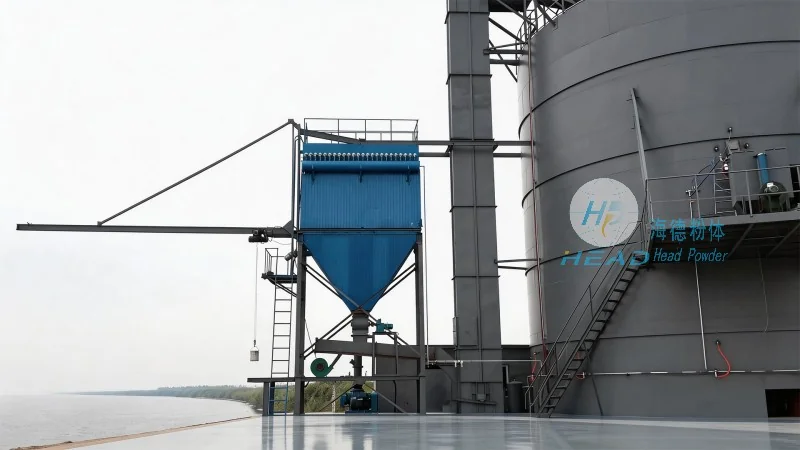
Kaolin, also known as china clay, is a soft, white, clay mineral composed primarily of hydrated aluminum silicates. It is widely used in various industries, including ceramics, paper, and cosmetics, due to its unique properties such as high whiteness, low impurity content, and excellent plasticity. Pneumatic conveying is a method of transporting bulk solids, like kaolin, using a stream of pressurized air or gas. This technique offers several advantages over traditional mechanical conveying systems, including reduced equipment wear, lower maintenance costs, and the ability to handle materials in a dust-free environment.
The core working principle of kaolin material pneumatic conveying involves the use of a conveying line where a high-velocity air stream is generated to entrain and transport the solid particles. The process typically consists of several key components: a material feed hopper, a conveyor line, a separation or collection system, and a venturi or airlock mechanism. When kaolin material is introduced into the feed hopper, it is drawn into the conveying line by the moving air stream. The air velocity is maintained at a level sufficient to keep the particles suspended and moving through the system. The conveying line may be horizontal, vertical, or a combination of both, depending on the layout of the industrial facility. At the end of the conveying line, the air and material mixture is separated, often using a cyclone or filter, to collect the kaolin and return the air to the system or release it to the atmosphere.
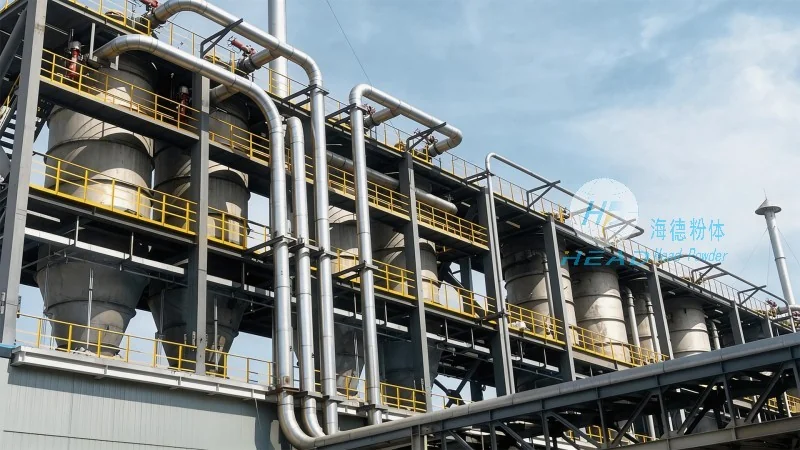
Several distinct characteristics define the performance of kaolin material pneumatic conveying systems, which are critical for selecting the appropriate system for specific industrial needs. These characteristics include:
Efficiency in transporting kaolin material is a primary characteristic of pneumatic conveying systems. The ability to handle large volumes of kaolin at a consistent rate is essential for maintaining production throughput. The conveying capacity is influenced by factors such as the air velocity, particle size distribution, and the design of the conveying line. For kaolin, which often consists of fine particles, the system must be designed to prevent particle agglomeration and ensure stable suspension in the air stream. High-efficiency systems can achieve capacities ranging from several tons per hour to over 100 tons per hour, depending on the specific configuration and operating conditions.
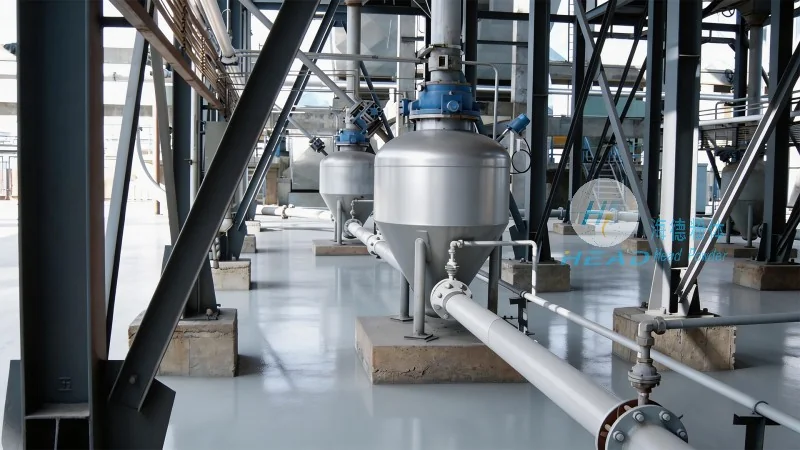
Compared to mechanical conveying systems, pneumatic conveying systems offer lower maintenance requirements and reduced equipment wear. The absence of moving parts in the conveying line minimizes the risk of mechanical failure and reduces the need for frequent repairs. This is particularly beneficial when handling abrasive kaolin particles, which can cause significant wear on mechanical components in traditional systems. The use of high-quality materials for the conveying line, such as stainless steel or special alloys, further enhances durability and extends the service life of the equipment.
One of the most significant advantages of pneumatic conveying for kaolin is the ability to maintain a dust-free environment. Unlike mechanical systems that may generate dust during material transfer, pneumatic conveying encloses the material within the conveying line, preventing dust emissions and protecting personnel and equipment from exposure to fine kaolin particles. This is especially important in industries where dust control is a regulatory requirement or where product purity is critical, such as in the paper and ceramics sectors.
Pneumatic conveying systems offer greater flexibility in terms of system layout compared to mechanical systems. The conveying line can be installed in various configurations, including horizontal, vertical, or a combination of both, to accommodate the spatial constraints of the industrial facility. This flexibility allows for the integration of kaolin material handling into existing production lines without major structural modifications. Additionally, the system can be easily expanded or reconfigured to meet changing production demands, providing long-term operational flexibility.
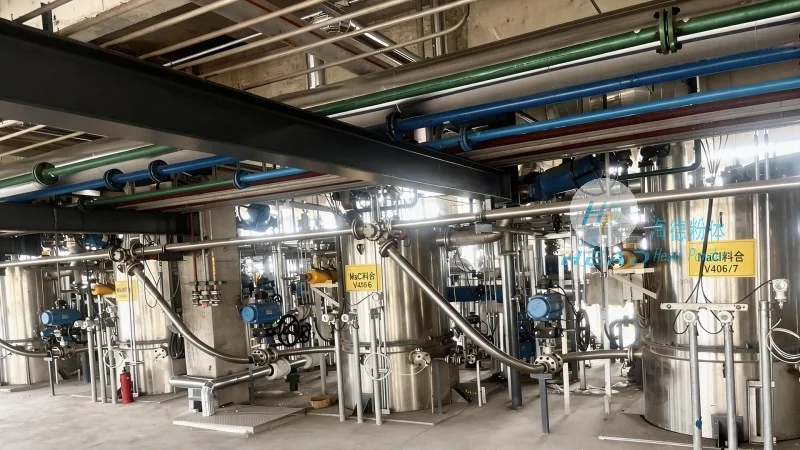
The energy efficiency of pneumatic conveying systems is another important characteristic when handling kaolin. The system operates by using compressed air, which can be generated on-site or supplied from a central air system. The energy consumption is primarily determined by the air velocity and the length of the conveying line. Modern systems incorporate energy-saving features, such as variable speed drives and optimized air flow control, to reduce operating costs. For kaolin, which is often transported over relatively short distances, the energy efficiency of pneumatic conveying can be significantly higher than that of mechanical systems, leading to lower overall operating expenses.
In summary, the working principle of kaolin material pneumatic conveying involves the use of a pressurized air stream to transport solid particles through a closed system, while the key characteristics include high efficiency, low maintenance, dust-free operation, layout flexibility, and energy efficiency. These attributes make pneumatic conveying an ideal solution for handling kaolin in various industrial applications. By understanding these principles and characteristics, industrial facilities can select and implement the most suitable pneumatic conveying system to optimize their material handling processes and improve overall operational performance.

 Shandong Headpowder Engineering Co., Ltd.
 156-6277-7102(Manager Zhang)
  0531-83386006
  Zhangqiu District, Jinan City, Shandong Province, China
telephone
WeChatconsult
top