

What is a Gypsum Sand Material Handling System? What are its Design Principles?
Gypsum sand material handling systems are specialized equipment designed to transport and manage gypsum sand, a key raw material in various industrial applications. These systems are integral to processes in industries such as construction, agriculture, and manufacturing, where efficient material handling is crucial for productivity and cost-effectiveness. The primary function of such systems is to move gypsum sand from storage areas to processing units or end-use locations with precision and reliability. This article explores the core components, operational mechanisms, and design principles that underpin these systems, providing a comprehensive understanding for professionals in related fields.
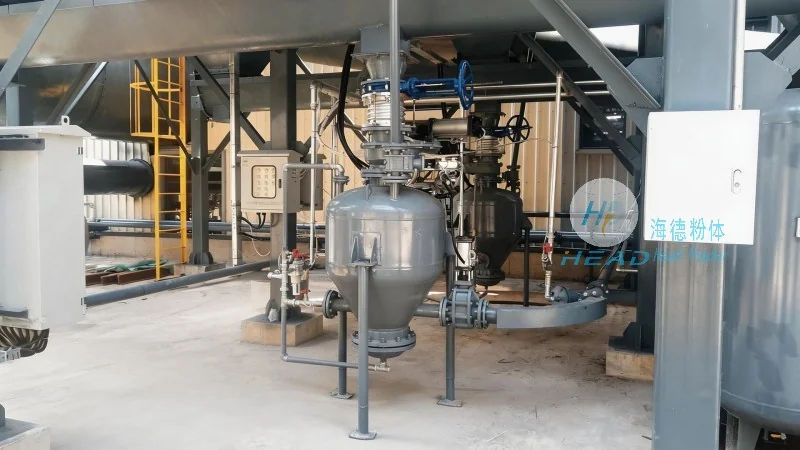
Key Components of Gypsum Sand Material Handling Systems
The effectiveness of a gypsum sand material handling system relies on its integrated components, each serving a specific role in the material transport process. These components typically include:
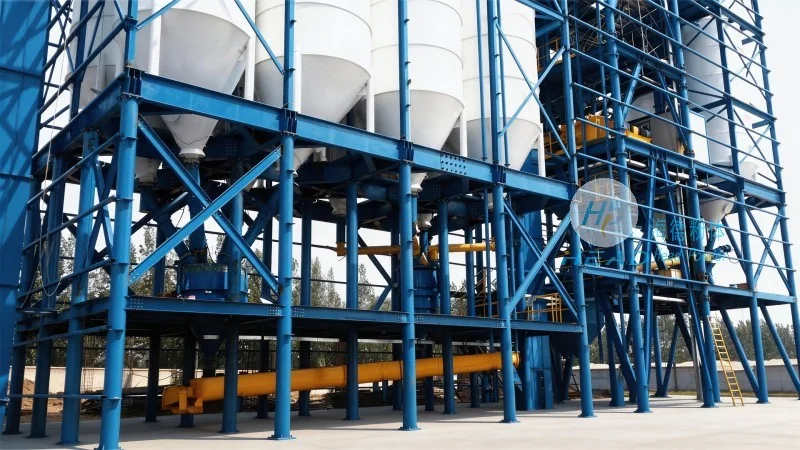
1. Feed Hoppers or Bins: These are large containers used to store and feed gypsum sand into the system. They are designed to maintain a consistent flow of material, preventing blockages and ensuring smooth operation. The hoppers may feature adjustable gates or valves to control the discharge rate, which is critical for maintaining system efficiency.
2. Pneumatic Conveying Systems: Many gypsum sand handling systems utilize pneumatic conveying technology, which involves transporting material through a network of pipes using air pressure. This method is particularly effective for handling fine powders like gypsum sand, as it minimizes dust generation and allows for long-distance transport without the need for mechanical components like belts or chains.
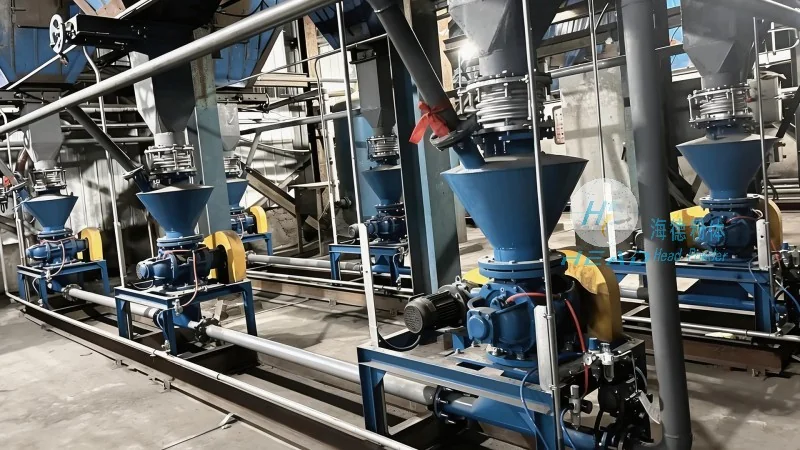
3. Rotary Valves or Rotating Airlocks: These components are used to control the flow of material from the feed hopper into the conveying line. They act as a gate, allowing material to enter the system in controlled batches and preventing backflow or air leakage. The design of these valves is critical for maintaining system pressure and ensuring consistent material flow.
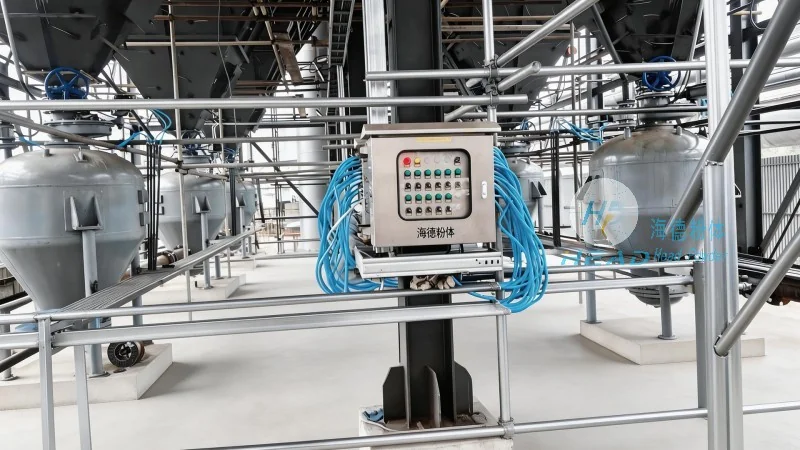
4. Conveying Pipes and Fittings: The network of pipes that forms the backbone of the system. These pipes are typically made of durable materials like stainless steel or high-density polyethylene to withstand the abrasive nature of gypsum sand and resist corrosion. The fittings, including elbows, tees, and reducers, are designed to facilitate smooth material flow and minimize pressure losses.
5. Control Systems and Sensors: Modern gypsum sand material handling systems are equipped with advanced control systems and sensors to monitor and regulate operation. These systems may include pressure sensors, flow meters, and level detectors, which provide real-time data on system performance. This allows operators to adjust parameters such as air pressure or feed rate to optimize efficiency and prevent issues like blockages or overloading.
Design Principles for Gypsum Sand Material Handling Systems
The design of a gypsum sand material handling system is guided by several key principles aimed at maximizing efficiency, reliability, and safety. These principles are tailored to the unique properties of gypsum sand, which is a fine, dry powder that can be prone to dust generation and caking under certain conditions.
1. Airflow Management: Proper airflow is essential for effective pneumatic conveying. The system design must ensure sufficient air velocity to keep the gypsum sand particles suspended and prevent settling or clogging in the pipes. This requires careful calculation of air pressure and flow rates based on the material's characteristics, such as particle size and density.
2. Material Compatibility: All components of the system must be compatible with gypsum sand to prevent corrosion or degradation over time. Stainless steel is commonly used for conveying pipes and fittings due to its resistance to the acidic nature of gypsum and its ability to handle abrasive particles. Additionally, materials like polyethylene or PVC may be used for certain parts to reduce friction and minimize wear.
3. Dust Control and Environmental Considerations: Gypsum sand is a fine powder that can create dust during handling, which poses health and safety risks. The system design incorporates dust control measures, such as sealed hoppers, enclosed conveying lines, and filtration systems. These measures not only protect workers but also comply with environmental regulations by minimizing particulate emissions.
4. Modularity and Scalability: Modern gypsum sand material handling systems are often designed with modularity in mind, allowing for easy expansion or modification as production needs change. This flexibility is achieved through standardized components and flexible piping layouts, which enable the system to adapt to varying material volumes or processing requirements without major overhauls.
5. Energy Efficiency: Efficient energy use is a critical design consideration for material handling systems. The system is designed to minimize energy consumption by optimizing air pressure and flow rates, reducing pressure losses in the piping network, and using energy-efficient motors for any auxiliary equipment. This not only lowers operational costs but also aligns with sustainability goals.
HeadPowder: A Leading Provider of Gypsum Sand Material Handling Solutions
Shandong HeadPowder Engineering Co., Ltd., commonly known as HeadPowder, is a prominent manufacturer and supplier of gypsum sand material handling systems. With operations based in Shandong, China, HeadPowder specializes in designing and manufacturing customized solutions tailored to the specific needs of its clients. The company's expertise lies in integrating advanced technology with practical engineering to deliver systems that are efficient, reliable, and cost-effective.
HeadPowder's gypsum sand material handling systems are engineered to meet the demands of various industrial applications, from small-scale processing plants to large-scale manufacturing facilities. The company's design philosophy emphasizes the principles outlined above, ensuring that each system is optimized for the unique properties of gypsum sand and the specific requirements of the end-user.
The company's commitment to quality and innovation is reflected in its product line, which includes a range of components and systems designed to enhance material handling efficiency. From feed hoppers and pneumatic conveying lines to control systems and dust control measures, HeadPowder provides comprehensive solutions that address all aspects of gypsum sand handling. By leveraging its experience and expertise, HeadPowder helps clients improve productivity, reduce operational costs, and ensure compliance with industry standards and regulations.