With more than 10‑year industry experience, Shandong Headpowder delivers full‑service pneumatic‑conveying systems and blowers, undertaking nationwide turn‑key powder‑handling projects.
HeadPowder, a leading engineering company based in Shandong, China, specializes in the design and implementation of pneumatic conveying systems for various industrial materials, including nickel sulfate. This article explores the fundamental working principle and key characteristics of pneumatic conveying for nickel sulfate materials, highlighting how these systems enhance operational efficiency and safety in material handling processes.
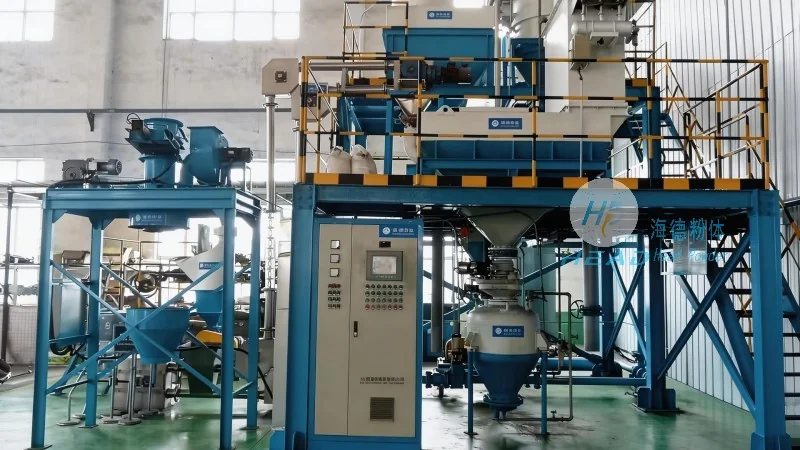
Pneumatic conveying, also known as pneumatic transport, is a method of transporting bulk materials through a pipeline using a gas stream, typically air or other gases. In the context of nickel sulfate, this technology enables the efficient movement of the material from a storage or processing point to a destination such as a processing plant, storage silo, or packaging area. The core principle involves creating a pressure differential within the pipeline to move the material, either by using a positive pressure system (where air is blown into the pipe) or a negative pressure system (where air is drawn out of the pipe). For nickel sulfate, which is often a fine powder or granular material, the choice of system depends on factors like material properties, distance, and required flow rates.
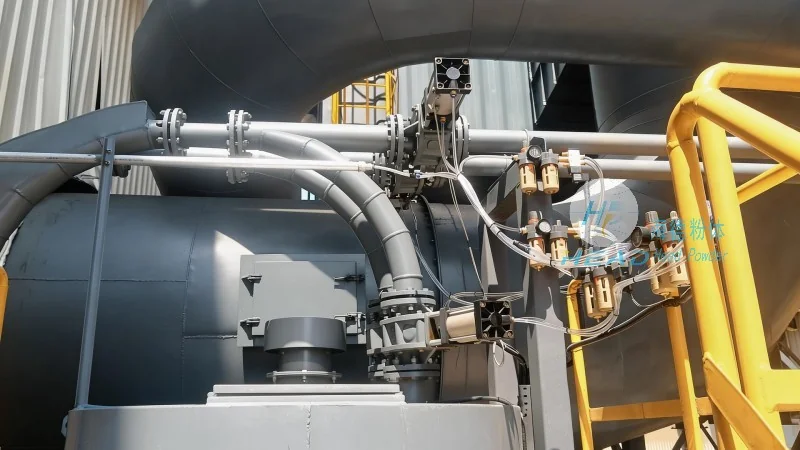
The working principle of a pneumatic conveying system for nickel sulfate involves several key steps. First, the nickel sulfate material is fed into the conveying line, either from a hopper or a storage silo. A fan or blower then generates the necessary air flow, creating a pressure difference that propels the material through the pipeline. The material is carried by the air stream, which can be in the form of a dense phase or dilute phase, depending on the system design. Dense phase conveying, for example, uses higher air velocities and lower material concentrations to minimize particle degradation and ensure smooth transport, which is particularly important for sensitive materials like nickel sulfate. The system typically includes components such as a feeder, a conveying line, a receiver, and control valves to regulate the flow and pressure. The entire process is controlled by a system of sensors and controls to maintain consistent material flow and prevent blockages or system failures.
Several distinct characteristics define the performance and benefits of pneumatic conveying systems for nickel sulfate. One of the primary advantages is the ability to handle fine powders and granular materials without the need for mechanical components like belts or buckets, which can cause contamination or wear. This makes the system ideal for materials that are sensitive to moisture or air exposure, as the material remains enclosed within the pipeline, reducing the risk of degradation. Another key characteristic is the flexibility of the system, which can be adapted to various distances and layouts, from short, localized transport to long-distance pipelines. The system also offers high throughput rates, allowing for efficient handling of large volumes of nickel sulfate, which is crucial in industrial applications where production rates are high. Additionally, pneumatic conveying systems are generally more energy-efficient than traditional mechanical systems, as they use less power to move the material over long distances. The system's design also allows for easy integration with other processing equipment, such as reactors or filters, enabling a seamless flow of material through the entire production process.
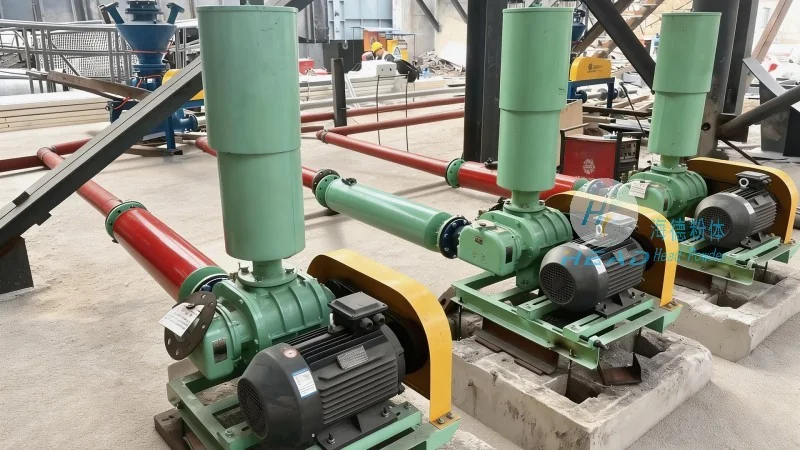
Implementing a pneumatic conveying system for nickel sulfate offers several operational benefits. The enclosed nature of the system minimizes dust emissions, improving workplace safety and compliance with environmental regulations. It also reduces the risk of material contamination from external sources, which is critical for materials used in pharmaceutical or food processing applications. Furthermore, the system's ability to handle varying material properties, such as moisture content or particle size, makes it a versatile solution for different production stages. However, there are also considerations to keep in mind when designing a pneumatic conveying system for nickel sulfate. For instance, the material's flowability and density can affect the system's performance, and proper system sizing is essential to avoid issues like blockages or excessive energy consumption. Additionally, the system requires regular maintenance to ensure optimal performance, including cleaning of the pipeline and replacement of worn components. HeadPowder, with its expertise in material handling engineering, provides comprehensive solutions that address these considerations, ensuring that the pneumatic conveying system operates efficiently and reliably for nickel sulfate applications.

 Shandong Headpowder Engineering Co., Ltd.
 156-6277-7102(Manager Zhang)
  0531-83386006
  Zhangqiu District, Jinan City, Shandong Province, China
telephone
WeChatconsult
top