With more than 10‑year industry experience, Shandong Headpowder delivers full‑service pneumatic‑conveying systems and blowers, undertaking nationwide turn‑key powder‑handling projects.
HeadPowder, a leading provider of industrial material handling solutions, specializes in the design and implementation of pneumatic conveying systems for various bulk materials, including sodium nitrate. This article explores the working principle and key characteristics of sodium nitrate material pneumatic conveying, highlighting how such systems enhance operational efficiency and safety in industrial applications.
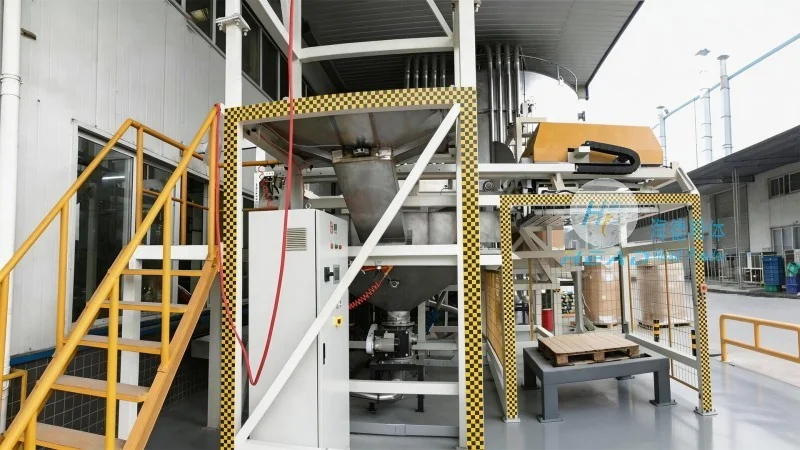
Shandong HeadPowder Engineering Co., Ltd., commonly known as HeadPowder, is a professional enterprise based in Shandong, China. With years of experience in the field of material handling technology, the company focuses on delivering high-quality pneumatic conveying systems tailored to meet the specific needs of clients in different industries. HeadPowder's expertise lies in understanding the unique properties of materials like sodium nitrate and designing systems that ensure reliable, efficient, and safe transportation.
Pneumatic conveying is a method of transporting bulk materials through a pipeline using a stream of air or gas. For sodium nitrate, which is a white crystalline solid commonly used in agriculture, food processing, and industrial applications, this technology offers an effective solution for moving the material from storage to processing units without the need for mechanical components like conveyors or elevators. The system operates by creating a pressure differential within the pipeline, which draws the sodium nitrate particles into the air stream and transports them to the destination.
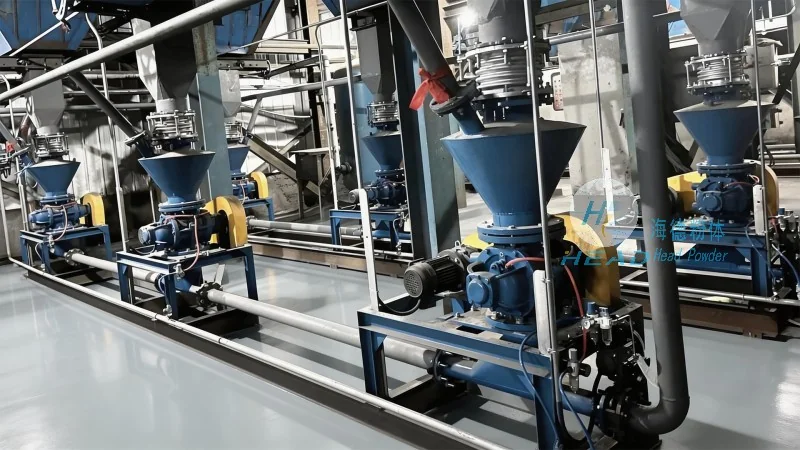
The core of a sodium nitrate pneumatic conveying system involves several key components and processes. First, the material is fed into the system, typically from a hopper or storage silo. A fan or blower then generates the necessary air flow, creating a pressure difference between the inlet and outlet of the pipeline. As the air moves through the pipeline, it picks up the sodium nitrate particles, forming a slurry or suspension. The mixture travels through the pipeline to the receiving hopper or processing equipment. At the end of the pipeline, a separator or cyclone separates the air from the material, allowing the sodium nitrate to be discharged while the air is either vented or recirculated. This process ensures that the material is transported efficiently without degradation or contamination.
Several important characteristics define the performance and advantages of sodium nitrate pneumatic conveying systems. Firstly, the system is highly flexible in terms of layout, as it can be installed in various configurations, including vertical, horizontal, or a combination of both, to suit the spatial constraints of the facility. This flexibility allows for the integration of the system into existing infrastructure with minimal disruption. Secondly, pneumatic conveying offers excellent control over the material flow rate, which is crucial for maintaining consistent production processes. The system can be adjusted to handle varying loads, ensuring that the material is transported at the desired speed without overloading or underutilizing the equipment. Thirdly, the process is inherently safe for sodium nitrate, which is a potentially hazardous material if handled improperly. The enclosed pipeline system prevents dust emissions and reduces the risk of accidental exposure or environmental contamination. Additionally, the absence of mechanical parts like belts or chains minimizes maintenance requirements and extends the lifespan of the system, leading to lower operational costs over time.

The adoption of pneumatic conveying systems for sodium nitrate offers numerous benefits that enhance overall operational efficiency and product quality. The primary advantage is the ability to transport the material in a dust-free environment, which is critical for maintaining product purity and preventing health hazards associated with sodium nitrate dust. This is particularly important in industries where the material is used in food processing or pharmaceutical applications, where contamination control is paramount. Furthermore, the system reduces the need for manual handling, improving workplace safety and reducing the risk of injuries. In industrial settings, the efficient transportation of sodium nitrate contributes to smoother production workflows, as the material can be delivered directly to processing units without the need for intermediate storage or manual transfer. This streamlined process minimizes downtime and increases overall productivity. The systems are also suitable for applications requiring long-distance transportation, as the pipeline can be extended to cover considerable distances while maintaining the material's integrity. Overall, pneumatic conveying provides a reliable and cost-effective solution for handling sodium nitrate, aligning with the needs of modern industrial operations.
In conclusion, the working principle and characteristics of sodium nitrate material pneumatic conveying systems demonstrate a highly effective method for transporting this important bulk material. With its ability to handle the material efficiently, safely, and with minimal maintenance, the system offers significant advantages over traditional mechanical conveying methods. HeadPowder, as a trusted provider of such systems, continues to innovate and improve its solutions to meet the evolving needs of clients in various industries. By leveraging the expertise and technology in pneumatic conveying, companies can enhance their operational performance and ensure the safe handling of sodium nitrate, contributing to overall business success.

 Shandong Headpowder Engineering Co., Ltd.
 156-6277-7102(Manager Zhang)
  0531-83386006
  Zhangqiu District, Jinan City, Shandong Province, China
telephone
WeChatconsult
top