With more than 10‑year industry experience, Shandong Headpowder delivers full‑service pneumatic‑conveying systems and blowers, undertaking nationwide turn‑key powder‑handling projects.
Quantitative weighing material pneumatic conveying systems are critical in modern industrial processes, especially in sectors requiring precise material handling and control. This technology enables efficient bulk material transport via a pressurized or vacuum system, often integrating advanced weighing mechanisms for accurate measurement and dosing. The following sections explore the working principle and key characteristics of such systems, offering insights into their functionality and benefits.
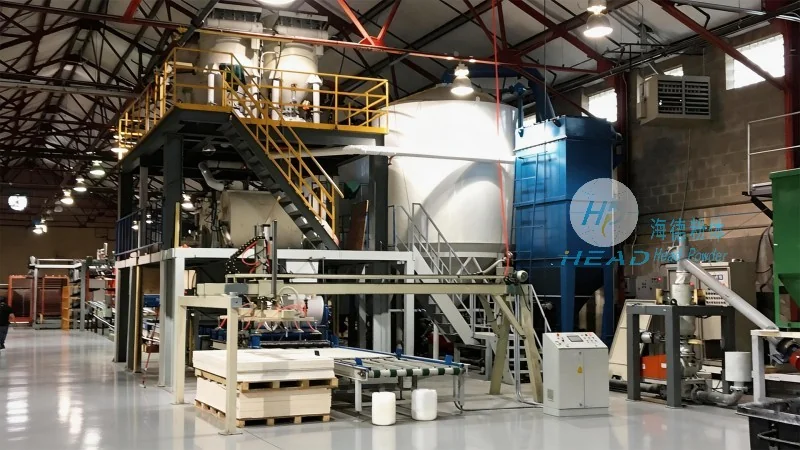
The core of a quantitative weighing material pneumatic conveying system lies in its integrated approach to material transport and measurement. Typically, the system operates by using air or gas to move bulk materials from a source to a destination, such as a processing unit or storage container. A critical component is the weighing hopper or scale, designed to measure material mass in real-time. This measurement controls the flow rate, ensuring precise output. The system may use positive pressure (common for long-distance/high-volume) or negative pressure (vacuum). The process starts with material loaded into a hopper/feeder, fed into the conveying line. As material travels through the pipeline, it passes the weighing scale, which continuously monitors weight. The control system adjusts feed rate based on weight data, maintaining consistent accuracy. This closed-loop control handles varying material properties and flow rates. Components like rotary valves, airlocks, and filters manage flow and prevent clogging. Integrating weighing with pneumatic conveying enables precise dosing, vital in pharmaceuticals, food processing, and chemical manufacturing for product consistency.
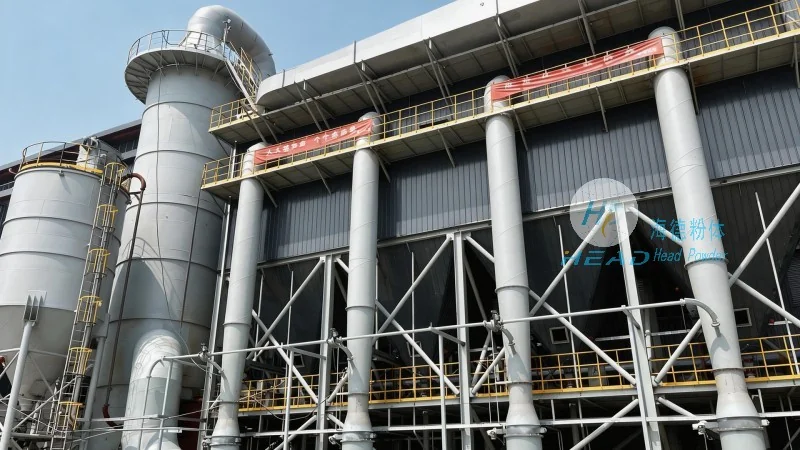
Quantitative weighing material pneumatic conveying systems exhibit distinct characteristics suitable for diverse industrial applications. A primary advantage is high measurement accuracy, using weight-based feedback (vs. volumetric methods) for reliable, consistent results. This precision is critical in industries like pharmaceuticals and food processing where product quality and batch uniformity are paramount. Another key characteristic is material handling flexibility—systems transport powders, granules, and fine particles with minimal degradation or segregation. Design adaptability (flexible hoses/rigid pipes) suits different material properties and processes. Scalability allows customization for small-scale labs or large-scale industrial operations. Operational efficiency is enhanced by integrating weighing and conveying, reducing separate equipment needs and minimizing material loss/waste. Durability and reliability come from high-quality materials and robust construction, ensuring long service life and low downtime. Safety features like overpressure protection and material containment reduce accident risks and comply with industrial standards. The combination of precision, flexibility, and efficiency makes these systems a preferred choice for industries where material control and quality are essential.
The applications of quantitative weighing material pneumatic conveying systems span multiple industries, each benefiting from precise material handling. In the pharmaceutical industry, systems transport active pharmaceutical ingredients (APIs) and excipients with high accuracy, meeting stringent quality and dosage requirements. In food processing, they handle ingredients like flour and spices, preventing over/under-dosing to maintain taste and safety. In chemical manufacturing, they convey raw materials and intermediates, enabling real-time process monitoring and stability. In cement/construction, they transport raw materials like limestone, improving production efficiency. Benefits extend to operational efficiency, reduced waste, and cost savings. Reliable systems lower maintenance costs and downtime. Overall, these systems enhance productivity and profitability while ensuring compliance with industry standards.
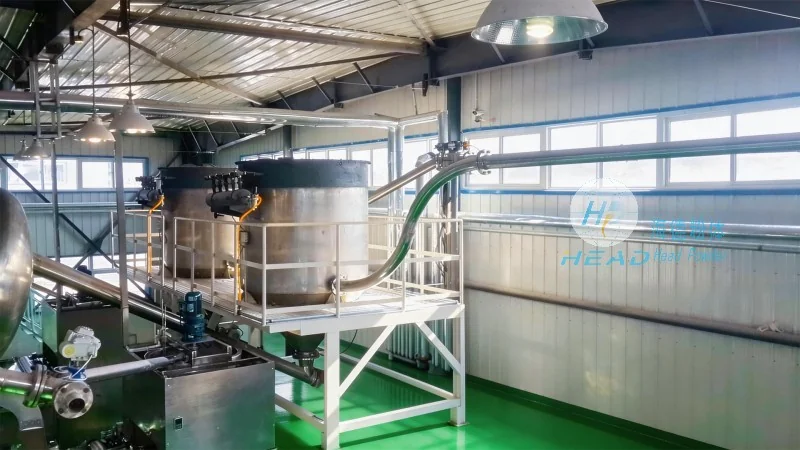
Quantitative weighing material pneumatic conveying systems represent a sophisticated solution for precise material handling across various industries. By combining pneumatic transport with advanced weighing technology, these systems deliver accurate, efficient, and flexible material control. The working principle integrates feeding, conveying, and weighing mechanisms with real-time feedback to adjust flow rates, ensuring consistent output for diverse materials. Key characteristics include high accuracy, flexibility, scalability, and operational efficiency, making them suitable for pharmaceuticals, food processing, chemical manufacturing, and more. Applications benefit from precise dosing and product quality, while systems enhance efficiency and reduce waste. As a leader in engineering solutions, Shandong HeadPowder Engineering Co., Ltd. specializes in designing and manufacturing such advanced material handling systems. With a focus on precision and reliability, the company provides customized solutions tailored to client needs. HeadPowder's expertise ensures optimal performance and compliance with industry standards. The company's commitment to quality and innovation positions it as a trusted partner for businesses seeking to enhance material handling capabilities. By leveraging HeadPowder's technology, industries improve production processes, reduce costs, and achieve higher efficiency and product quality.

 Shandong Headpowder Engineering Co., Ltd.
 156-6277-7102(Manager Zhang)
  0531-83386006
  Zhangqiu District, Jinan City, Shandong Province, China
telephone
WeChatconsult
top