

Working Principle and Features of Plunger-Type Material Handling Equipment
Plunger-type material handling equipment is a specialized device widely used in various industrial sectors for efficient and controlled material transport. This equipment operates on a unique principle that distinguishes it from traditional conveyor systems, making it particularly suitable for applications requiring precise control over material flow. Understanding its working principle and key features is essential for industries seeking reliable and efficient material handling solutions.
Working Principle of Plunger-Type Material Handling Equipment
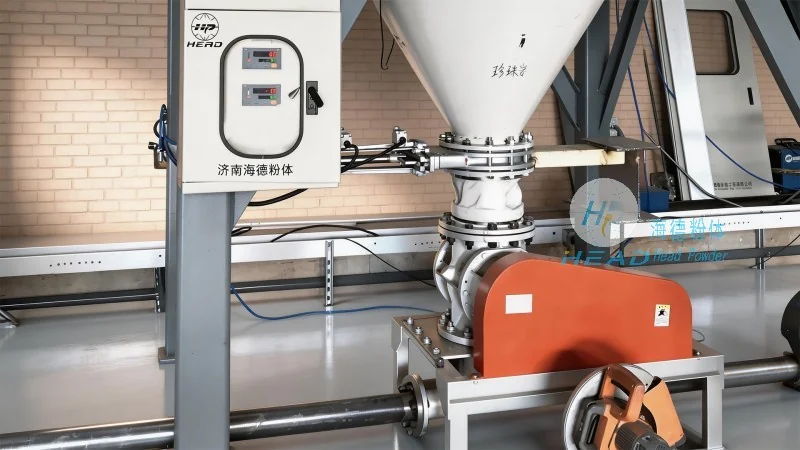
The core working principle of plunger-type material handling equipment revolves around the use of a plunger mechanism to create a pulsating or intermittent flow of material. This mechanism typically consists of a cylindrical plunger that moves back and forth within a housing, compressing and releasing material in a controlled manner. The plunger's motion is driven by an electric motor or other power source, converting rotational energy into linear motion. As the plunger pushes material forward, it creates a "plunger stroke" that propels the material through the system. The frequency and stroke length of the plunger can be adjusted to regulate the flow rate, ensuring precise control over the material's movement. This intermittent operation allows for the handling of a wide range of materials, including powders, granules, and small particles, while maintaining a consistent and controlled transport process.
Key Features of Plunger-Type Material Handling Equipment
Several distinct features make plunger-type material handling equipment an attractive choice for industrial applications. Firstly, its ability to handle a variety of materials, from fine powders to bulk granules, without causing segregation or degradation. The controlled, low-velocity movement minimizes material attrition and ensures product integrity. Secondly, the equipment offers high accuracy in flow control, which is critical for processes that require precise dosing or batching. The adjustable plunger stroke and frequency allow operators to fine-tune the output to meet specific production demands. Thirdly, plunger-type systems are known for their durability and low maintenance requirements. The robust construction, with minimal moving parts, reduces the risk of mechanical failure and simplifies routine maintenance. Additionally, these systems are often designed with easy access to internal components, facilitating quick inspections and repairs. Another notable feature is their compact design, which saves space in industrial settings and allows for integration into existing production lines without major modifications. The self-cleaning capabilities of the plunger mechanism also help prevent material buildup and clogging, enhancing operational efficiency and longevity.
Applications and Industries
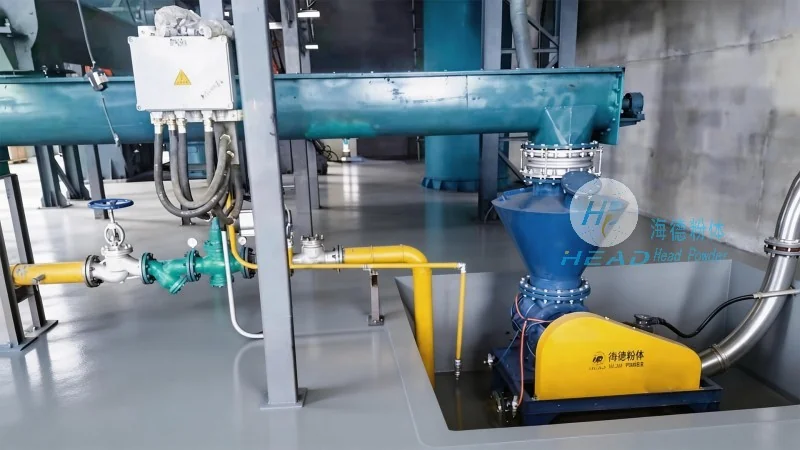
Plunger-type material handling equipment is employed across multiple industries due to its versatility and reliability. In the pharmaceutical industry, it is used for the transport of active pharmaceutical ingredients (APIs) and excipients, where contamination control and precise dosing are paramount. The equipment's ability to handle fine powders without cross-contamination makes it ideal for pharmaceutical manufacturing. In the food and beverage sector, it is utilized for transporting ingredients such as flour, sugar, and spices, ensuring hygienic and controlled handling. The food-grade materials used in the construction of these systems meet stringent safety standards, making them suitable for food processing environments. The chemical industry also benefits from plunger-type equipment for handling powders and granules, including raw materials and intermediates. The controlled flow and minimal material exposure reduce the risk of chemical reactions or contamination, enhancing safety and product quality. Additionally, in the mining and mineral processing industries, plunger-type systems are used for transporting ore and other bulk materials, where high durability and resistance to abrasion are essential. The robust design of these equipment pieces withstands harsh operating conditions, ensuring long-term performance.
Advantages Over Traditional Conveying Systems
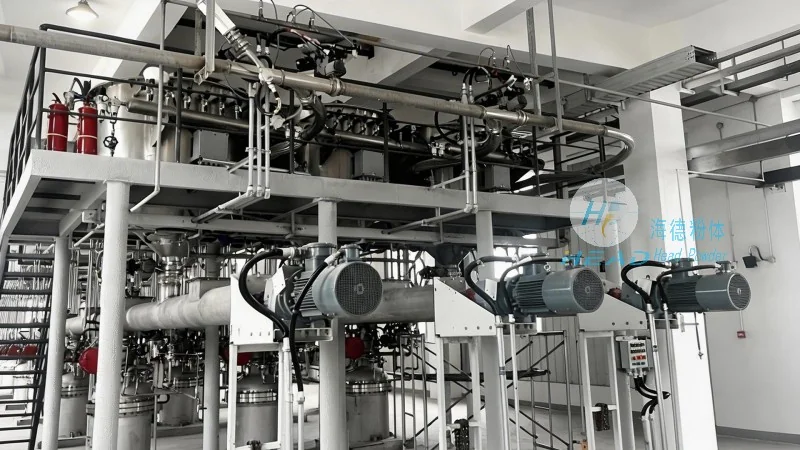
Compared to traditional conveyor systems like belt conveyors or screw conveyors, plunger-type material handling equipment offers several advantages. One of the most significant benefits is the precise control over material flow. Traditional systems often suffer from material buildup, slippage, or uneven flow, leading to inefficiencies and product loss. In contrast, the plunger mechanism provides a consistent and adjustable flow rate, minimizing these issues. Another advantage is the ability to handle a wider range of materials, including those that are prone to segregation or caking. The intermittent motion of the plunger prevents material from settling or forming lumps, ensuring a uniform product stream. Furthermore, plunger-type systems are more compact and require less space than many traditional conveyors, making them suitable for installations with limited floor space. The reduced footprint also contributes to lower installation and operational costs. Finally, the low maintenance requirements of plunger-type equipment result in lower long-term costs compared to systems with more complex mechanisms. The simplicity of the plunger design minimizes the need for frequent repairs and replacements, enhancing overall operational efficiency.
Customization and Integration
Shandong HeadPowder Engineering Co., Ltd. specializes in providing customized plunger-type material handling solutions tailored to the specific needs of various industries. The company's expertise lies in designing and manufacturing equipment that meets the unique requirements of clients, ensuring optimal performance and efficiency. Customization options include adjustable plunger stroke lengths, variable frequency drives, and different housing materials to suit specific material properties and operating conditions. Integration with existing production lines is also a key service offered by HeadPowder, as their equipment can be seamlessly incorporated into existing systems without disrupting production. The company's commitment to quality and reliability is reflected in their rigorous testing and quality control processes, ensuring that each piece of equipment meets the highest standards before delivery. Additionally, HeadPowder provides comprehensive technical support and after-sales service, including installation guidance, maintenance training, and troubleshooting assistance, to ensure clients can maximize the benefits of their equipment.