With more than 10‑year industry experience, Shandong Headpowder delivers full‑service pneumatic‑conveying systems and blowers, undertaking nationwide turn‑key powder‑handling projects.
The material handling system for lithium-ion battery positive electrode materials is a critical component in the production process of lithium-ion batteries. It ensures the efficient and safe transport of raw materials and intermediate products, which is essential for maintaining high production efficiency and product quality. This system is designed to meet the specific requirements of the battery manufacturing industry, particularly in the handling of powders and granules used in the production of positive electrode materials.
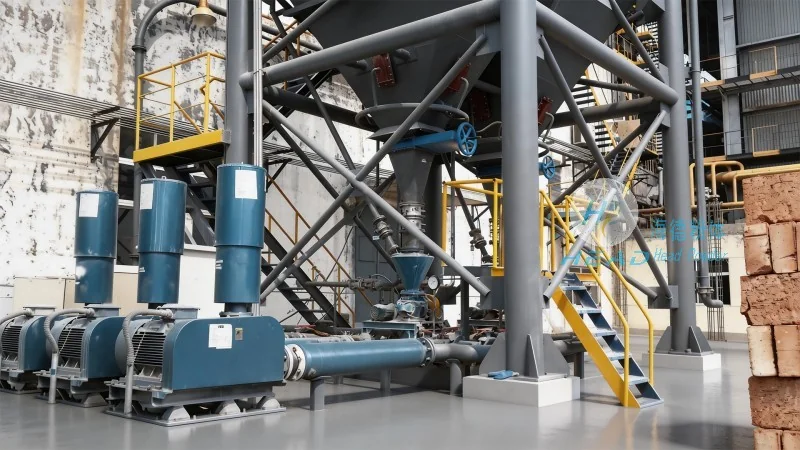
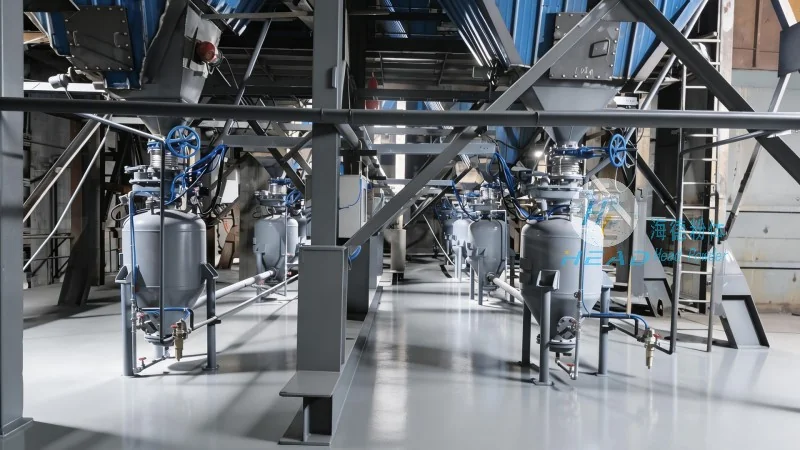
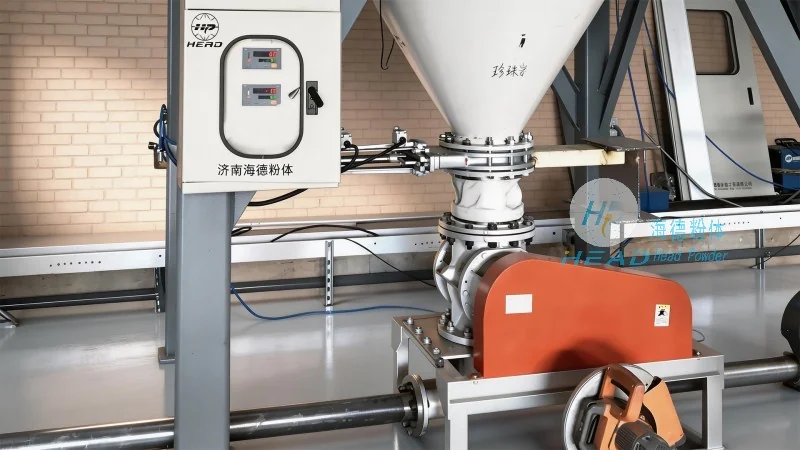
The system operates based on a combination of mechanical and pneumatic principles to achieve precise material transport. The core components include feeders, conveyors, and control systems. The process typically starts with the feeding of raw materials into the system, where they are then conveyed through a series of stages. The feeders, such as vibrating feeders or rotary valves, are responsible for controlling the flow rate of materials, ensuring a consistent and controlled supply to the subsequent processing units. The conveyors, which may include screw conveyors, belt conveyors, or pneumatic conveying systems, transport the materials from one processing stage to another. For example, screw conveyors are commonly used for vertical or inclined material transport, while belt conveyors are suitable for horizontal or slightly inclined transport. Pneumatic conveying systems, on the other hand, use air pressure to move materials, which is ideal for handling fine powders. The control system monitors and adjusts the operation of these components in real-time, based on parameters such as material flow rate, pressure, and temperature. This integrated approach ensures that the material handling process is both efficient and reliable, minimizing downtime and maximizing throughput. The system also incorporates feedback mechanisms that allow for dynamic adjustments, ensuring that any changes in material properties or production demands are immediately addressed.
The material handling system for lithium-ion battery positive electrode materials is characterized by several key features that enhance its performance and usability. Firstly, it offers high precision in material transport, which is crucial for maintaining the purity and consistency of the electrode materials. The system is equipped with advanced sensors and control algorithms that can detect and adjust for variations in material properties, such as moisture content and particle size. This precision is essential because even small variations can affect the performance of the final battery. Secondly, it provides a high degree of automation, reducing the need for manual intervention and minimizing the risk of human error. The automated control system can adjust the speed and direction of the conveyor based on real-time data, ensuring optimal material flow. This automation not only improves efficiency but also enhances safety by reducing the exposure of operators to hazardous materials. Thirdly, the system is designed with safety features to prevent dust explosions and other hazards associated with handling powders. This includes explosion-proof designs and dust collection systems that maintain a safe working environment. The system may also include fire suppression systems and emergency stop buttons to further enhance safety. Additionally, the system is modular and scalable, allowing it to be customized to meet the specific needs of different production lines and batch sizes. This flexibility makes it suitable for both small-scale and large-scale battery manufacturing operations, from research and development to mass production. The modular design allows for easy expansion or modification as production needs change, providing long-term value to the customer.

 Shandong Headpowder Engineering Co., Ltd.
 156-6277-7102(Manager Zhang)
  0531-83386006
  Zhangqiu District, Jinan City, Shandong Province, China
telephone
WeChatconsult
top