With more than 10‑year industry experience, Shandong Headpowder delivers full‑service pneumatic‑conveying systems and blowers, undertaking nationwide turn‑key powder‑handling projects.
HeadPowder, a leading engineering company based in Shandong, China, specializes in advanced pneumatic conveying solutions tailored for coke particle handling. This article provides a comprehensive exploration of negative pressure and positive pressure pneumatic conveying systems, highlighting their technical principles, operational advantages, and practical applications in industrial settings.
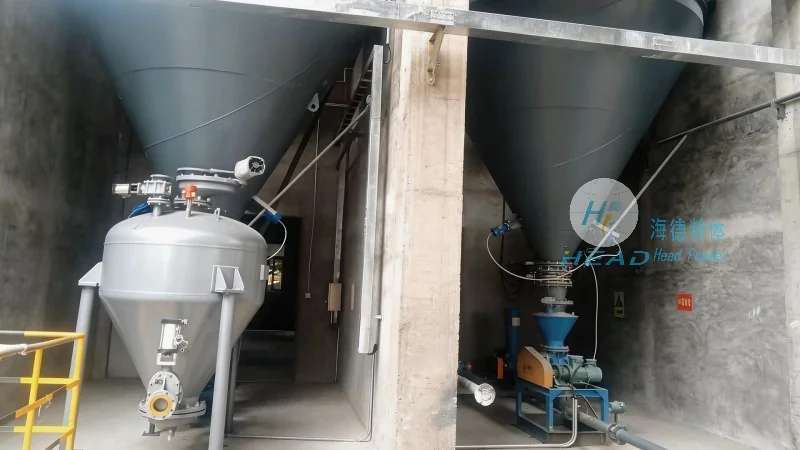
Pneumatic conveying is a critical method for transporting bulk materials like coke particles, offering efficient, dust-free, and flexible solutions compared to traditional mechanical conveying systems. The technology relies on the movement of material through a pipeline using air or gas as the conveying medium. For coke particles, which are typically coarse and abrasive, selecting the appropriate conveying system is essential to ensure optimal performance, minimize equipment wear, and maintain material integrity.
There are two primary types of pneumatic conveying systems used for coke particle transport: negative pressure (or suction) and positive pressure (or pressure) systems. Each operates on distinct principles and is suited to different operational requirements.
Negative pressure systems, also known as suction conveyors, operate by creating a low-pressure zone in the conveying line, which draws material from the source into the pipeline. This method is ideal for applications where the material source is elevated or where dust containment is a priority, as the system draws material rather than expelling it. The primary advantage of negative pressure conveying is its ability to handle materials with higher moisture content or those that are prone to generating dust, as the suction action helps to control particle dispersion.
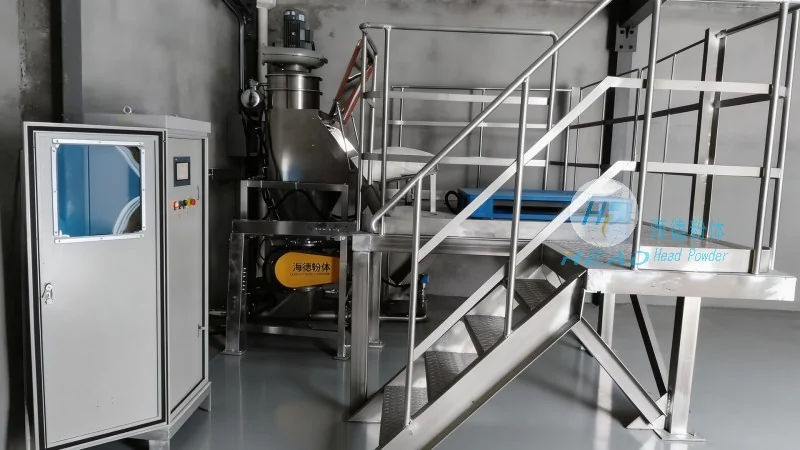
Conversely, positive pressure systems use compressed air to push material through the pipeline. These systems are typically more suitable for longer conveying distances or when the material source is at a lower elevation than the destination. Positive pressure conveyors are known for their high conveying capacity and ability to handle a wide range of particle sizes and densities. However, they require more robust equipment to withstand the higher pressures and may generate more noise and dust compared to negative pressure systems.
Both negative and positive pressure pneumatic conveying systems rely on fundamental principles of fluid dynamics and material transport. The efficiency of these systems is determined by factors such as air velocity, pipeline design, and material properties. For coke particles, which are often irregularly shaped and have varying sizes, the choice of system affects the conveying efficiency and equipment lifespan.
HeadPowder’s engineering expertise focuses on optimizing these parameters to deliver reliable performance. For negative pressure systems, the company designs suction hoods and cyclone separators to effectively capture and transport coke particles while minimizing air leakage and material loss. Positive pressure systems are equipped with high-efficiency blowers and pressure regulators to maintain consistent air pressure and prevent system overload.
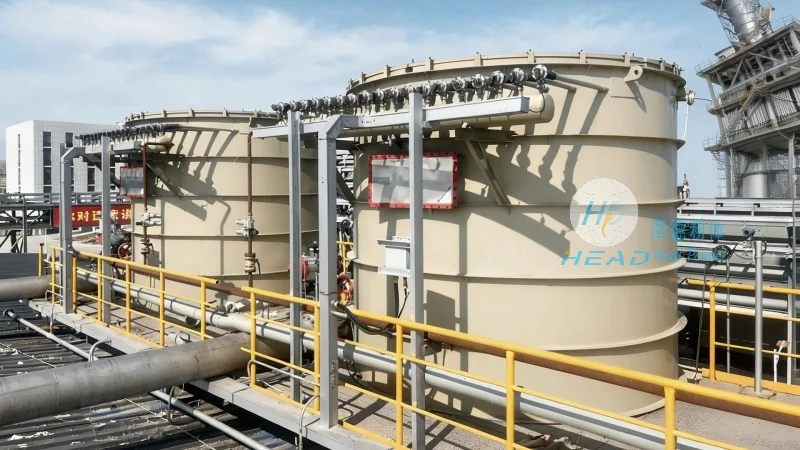
The versatility of pneumatic conveying makes it applicable across various industries that handle coke particles, including steel production, chemical processing, and material handling facilities. For instance, in steel mills, coke is used as a fuel and reducing agent in blast furnaces, and efficient conveying is crucial for maintaining production schedules. HeadPowder has implemented successful projects in such settings, where their customized negative pressure systems have reduced dust emissions and improved material handling efficiency.
In chemical plants, where coke is used as a raw material for carbon black production or other processes, positive pressure conveying systems have been employed to transport coke from storage silos to processing units. These systems have demonstrated high throughput rates and minimal downtime, contributing to increased productivity for clients.
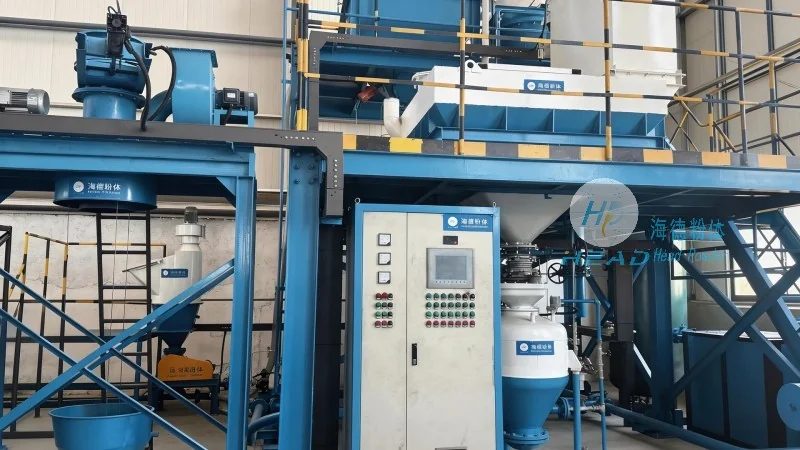
HeadPowder, with its headquarters in Shandong, China, offers tailored pneumatic conveying solutions that address the specific needs of each client. The company’s engineering team conducts thorough site assessments to determine the optimal system configuration, considering factors such as material characteristics, conveying distance, and environmental regulations. By leveraging advanced design software and years of industry experience, HeadPowder ensures that each system is designed for maximum efficiency and longevity.
The company’s solutions include not only the conveying equipment but also supplementary components such as cyclone separators, dust collectors, and material feeders. These components are integrated to form a complete system that meets the client’s operational requirements while adhering to safety and environmental standards.
Negative pressure and positive pressure pneumatic conveying systems are indispensable technologies for the efficient handling of coke particles. HeadPowder’s expertise in designing and implementing these systems ensures that clients receive reliable, high-performance solutions that enhance operational efficiency and reduce costs. As industrial demands for material handling continue to evolve, the company remains committed to innovation, providing advanced solutions that meet the challenges of modern industrial applications.

 Shandong Headpowder Engineering Co., Ltd.
 156-6277-7102(Manager Zhang)
  0531-83386006
  Zhangqiu District, Jinan City, Shandong Province, China
telephone
WeChatconsult
top