

Working Principle and Features of Light Calcium Powder Pneumatic Conveying Equipment
Light calcium powder is a critical raw material in numerous industrial processes, and efficient handling of this fine powder is vital for maintaining production efficiency and product quality. Pneumatic conveying systems have become a preferred solution for transporting light calcium powder due to their ability to handle fine powders with minimal dust generation and high transfer efficiency. This article provides an in-depth examination of the working principle and key features of light calcium powder pneumatic conveying equipment, highlighting how these systems enhance operational performance in industrial settings.
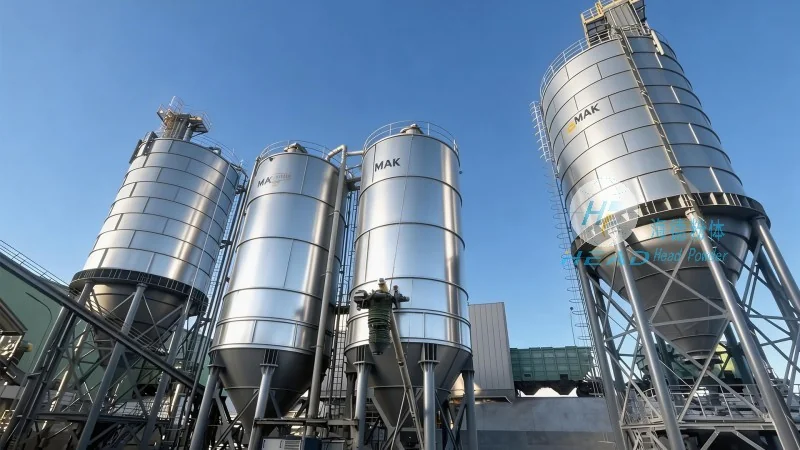
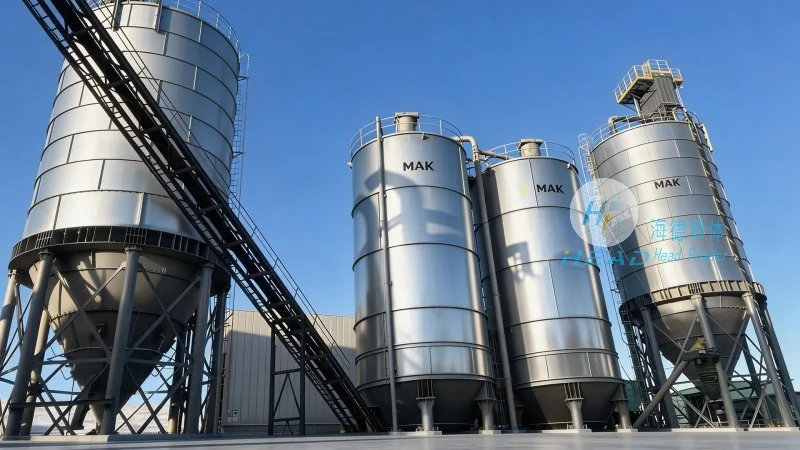
Working Principle of Light Calcium Powder Pneumatic Conveying Equipment
The fundamental operation of a light calcium powder pneumatic conveying system centers on using air or gas as the conveying medium to transport the powder from the source to the destination. The system typically operates by creating a pressure differential between the inlet and outlet of the conveying line. In a standard setup, the light calcium powder is fed into a hopper or feeder, which then transfers the powder into the conveying line under controlled conditions. The conveying medium—often compressed air or a mixture of air and other gases—is introduced into the line, generating a flow that carries the powder particles along the pipeline. The pressure differential ensures continuous movement of the powder through the system, while the design of the components—such as the feeder, pipeline, and receiver—optimizes flow and minimizes particle degradation. The working principle involves several key components working in unison: the feeder ensures a consistent flow of powder, the pipeline provides the transport path, and the receiver collects the material at the destination. The system may operate in either positive pressure or negative pressure modes, depending on the specific application requirements. Positive pressure systems use compressed air to push the powder, while negative pressure systems use suction to draw the powder. For light calcium powder, which is fine and prone to caking or agglomeration, the design of the feeder and pipeline is crucial to prevent blockages and ensure smooth transport. The use of appropriate air velocities and pressure levels is essential to maintain the powder's flowability and prevent particle damage. The conveying process also involves controlling the air-to-powder ratio, which is the ratio of the volume of air to the volume of powder being transported. This ratio is critical for achieving optimal conveying efficiency and minimizing energy consumption. Proper air velocity ensures that the powder particles are fully entrained by the air stream, preventing them from settling or clogging the pipeline. The system's design also incorporates features such as cyclones or filters to separate the powder from the air at the receiver, ensuring efficient material collection and air purification before release. Overall, the working principle of light calcium powder pneumatic conveying equipment is a sophisticated combination of fluid dynamics, material handling, and system control, designed to deliver reliable and efficient transport of fine powders like light calcium.
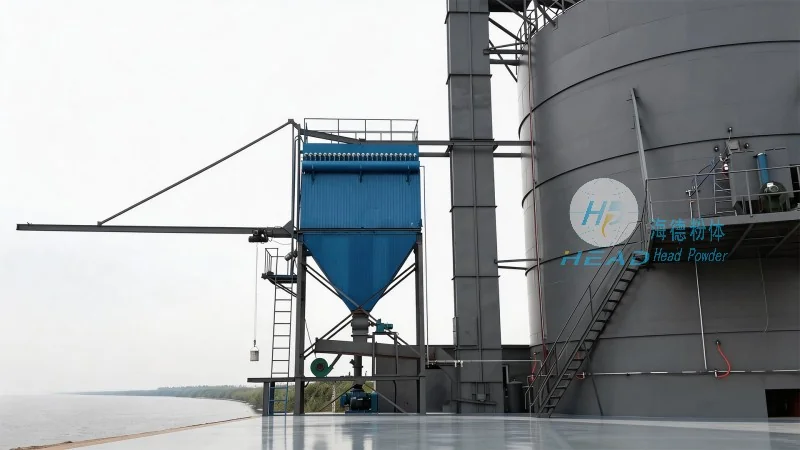
Key Features of Light Calcium Powder Pneumatic Conveyors
Light calcium powder pneumatic conveyors are engineered with several distinctive features that make them ideal for handling light calcium powder. These features address the unique challenges associated with fine powders, such as dust generation, caking, and material degradation. One of the primary features is the use of a closed system, which minimizes dust exposure and improves workplace safety. The closed design prevents the powder from being released into the environment, reducing the risk of inhalation and contamination. This is particularly important for light calcium powder, which can cause respiratory issues if inhaled in large quantities. Another key feature is the ability to handle high volumes of material with minimal maintenance. The system's components, such as the feeder and pipeline, are designed to withstand the abrasive nature of light calcium powder, ensuring long service life and reduced downtime. The use of corrosion-resistant materials in the construction of the conveying equipment is also a critical feature, as light calcium powder can be corrosive to certain metals. This ensures that the system remains durable and reliable over time. The system's flexibility in terms of layout and configuration is another important feature. It can be customized to fit the specific space constraints and operational requirements of a facility, allowing for easy integration into existing production lines. The ability to operate in both positive and negative pressure modes provides additional flexibility, enabling the system to adapt to different transfer scenarios. Furthermore, the system's energy efficiency is a notable feature. By optimizing the air-to-powder ratio and using efficient components, the system minimizes energy consumption while maintaining high conveying rates. This not only reduces operational costs but also aligns with sustainability goals. The system also includes advanced control features, such as variable speed feeders and pressure sensors, which allow for real-time monitoring and adjustment of the conveying process. This ensures that the system operates at peak efficiency and prevents issues such as overloading or under-conveying. The features of light calcium powder pneumatic conveyors collectively contribute to their effectiveness in handling light calcium powder, making them a preferred choice for industries that require reliable and efficient transport of fine powders.
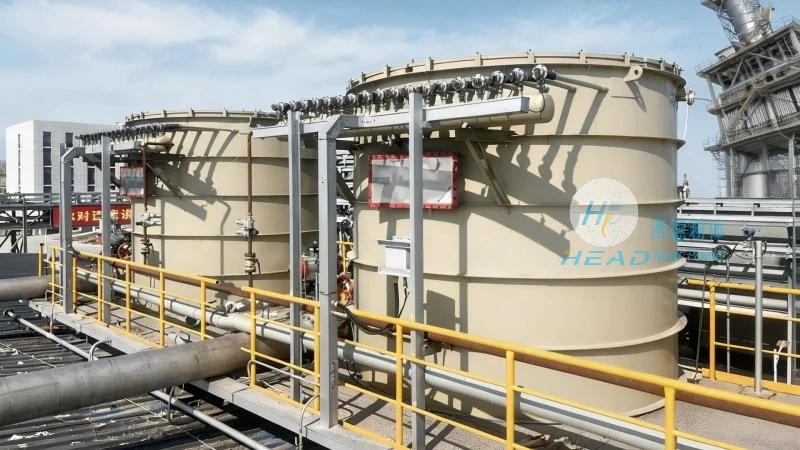
Conclusion and Company Information
Light calcium powder pneumatic conveying equipment offers a highly effective solution for the efficient and safe handling of light calcium powder in industrial applications. The working principle, which relies on air or gas as the conveying medium and pressure differential, ensures reliable transport of fine powders while minimizing dust and material degradation. The key features of these systems, including closed design, corrosion resistance, flexibility, and energy efficiency, address the unique challenges associated with light calcium powder and enhance operational performance. As a leading manufacturer in the field, Shandong HeadPowder Engineering Co., Ltd. specializes in providing high-quality pneumatic conveying solutions tailored to the specific needs of clients. With a focus on innovation and customer satisfaction, the company ensures that its equipment meets the highest standards of performance and reliability. Located in Shandong, China, HeadPowder leverages its expertise and advanced technology to deliver solutions that improve production efficiency and product quality for industries relying on light calcium powder. By understanding the working principle and features of light calcium powder pneumatic conveyors, businesses can make informed decisions about implementing these systems, ultimately enhancing their operational capabilities and competitiveness in the market.