

Working Principle and Features of Wool Pneumatic Conveying Equipment
Wool pneumatic conveying equipment is a specialized industrial solution designed to efficiently transport wool fibers and related materials. This technology utilizes air pressure to move materials through a system of pipes, offering a clean and efficient method for handling delicate wool products. The system is widely used in the textile industry, particularly in wool processing facilities, where maintaining material integrity and minimizing contamination is crucial. Manufactured by Shandong HeadPowder Engineering Co., Ltd., a leading provider of industrial conveying solutions, these systems are engineered to meet the unique demands of wool processing applications.
Working Principle of Wool Pneumatic Conveyors
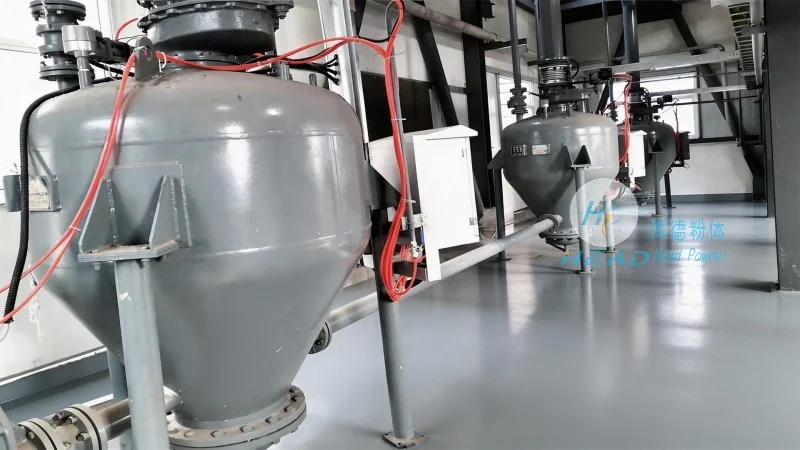
The core mechanism of a wool pneumatic conveyor involves the generation of air flow within a sealed pipeline system. The process typically starts with the material being fed into a hopper or feeder. As air is introduced into the system, often through a blower or compressor, it creates a low-pressure or high-pressure environment that propels the wool particles forward. The air flow can be either positive (pressure) or negative (vacuum), depending on the specific design and application requirements. In positive pressure systems, compressed air pushes the material through the pipes, while negative pressure systems use suction to draw the material. The design ensures that the wool fibers are moved without direct contact with mechanical parts, reducing the risk of damage or contamination.
Key Features and Advantages of Wool Pneumatic Conveying Equipment
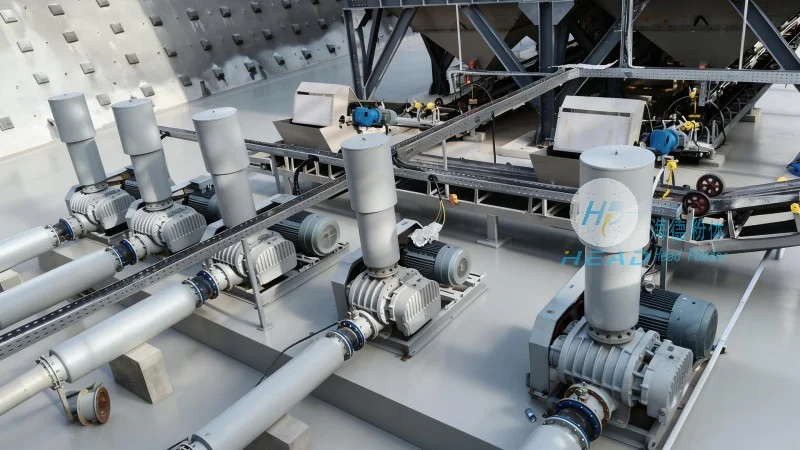
Wool pneumatic conveyors from Shandong HeadPowder Engineering Co., Ltd. offer several distinct advantages that make them ideal for wool processing applications. One of the primary features is the ability to handle fine, lightweight materials like wool fibers without the need for mechanical agitation or high shear forces. This minimizes fiber breakage and maintains the quality of the raw material. Another key feature is the enclosed system, which prevents dust and contaminants from entering the environment, ensuring a clean and safe working area. The system also allows for flexible layout designs, as the pipes can be installed in various configurations to suit the specific space and workflow of a processing facility. Additionally, these conveyors are energy-efficient compared to traditional mechanical systems, reducing operational costs over time.
Technical Specifications and Customization Options
HeadPowder's wool pneumatic conveying equipment is engineered with precision to meet the unique demands of wool processing. The systems are available in various configurations, including positive pressure, negative pressure, and mixed systems, allowing for customization based on the specific material characteristics and process requirements. The components, such as blower units, air filters, and material feeders, are designed for durability and low maintenance, ensuring reliable operation in demanding industrial environments. The company also offers tailored solutions, including integration with existing processing lines and adjustments to handle different wool types, such as raw wool or processed wool products. This flexibility ensures that clients can optimize their operations and achieve efficient material handling.
Applications and Industry Use Cases
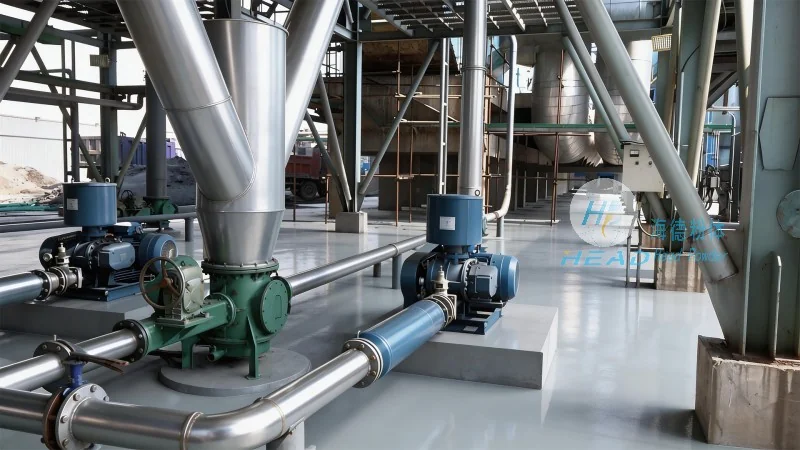
Wool pneumatic conveyors are widely used in various stages of wool processing, from raw material handling to finished product packaging. In the initial stages, the equipment is used to transport raw wool bales or loose fibers from storage areas to processing machines. During the processing phase, it can move wool through cleaning, carding, and spinning operations, ensuring a continuous flow of material. In the finishing stages, the conveyor can transport finished wool products, such as yarn or fabric, to packaging or storage areas. The system's ability to handle both dry and slightly moist wool materials makes it versatile for different processing steps. The enclosed design also helps in maintaining consistent moisture levels, which is critical for maintaining the quality of wool products.