

Working Principle and Characteristics of Sodium Fluosilicate Pneumatic Conveying Line
Shandong HeadPowder Engineering Co., Ltd., commonly known as HeadPowder, is a professional manufacturer and supplier specializing in the design, production, and installation of industrial conveying systems. With a strong focus on quality and innovation, the company has established itself as a trusted partner in the chemical and material handling industries. HeadPowder is headquartered in Shandong, China, where its state-of-the-art facilities and experienced team ensure the delivery of reliable and efficient solutions for various material transport needs.
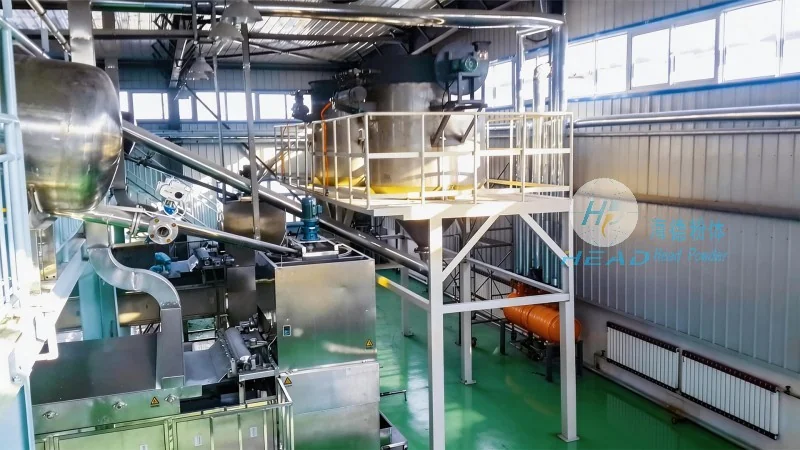
Introduction to Sodium Fluosilicate Pneumatic Conveying Line
Sodium fluosilicate, also known as Na2SiF6, is a white crystalline powder widely used in industries such as water treatment, glass manufacturing, and chemical synthesis. The sodium fluosilicate pneumatic conveying line is a specialized system designed to transport this material efficiently and safely from storage to processing units. This equipment plays a crucial role in optimizing production workflows by minimizing material handling time and reducing the risk of contamination or loss.
Working Principle of the Pneumatic Conveying System
The core of the sodium fluosilicate pneumatic conveying line is the pneumatic transport mechanism, which operates on the principle of using compressed air to move solid materials through a pipeline. There are two main types of pneumatic conveying systems: positive pressure and negative pressure. In a positive pressure system, compressed air is introduced at the material inlet, creating a pressure higher than the ambient air, which propels the material forward. Conversely, a negative pressure system draws air and material through the pipeline using a vacuum at the discharge end. For sodium fluosilicate, a positive pressure system is often preferred due to the material's properties, which can be sensitive to moisture and require controlled flow rates.
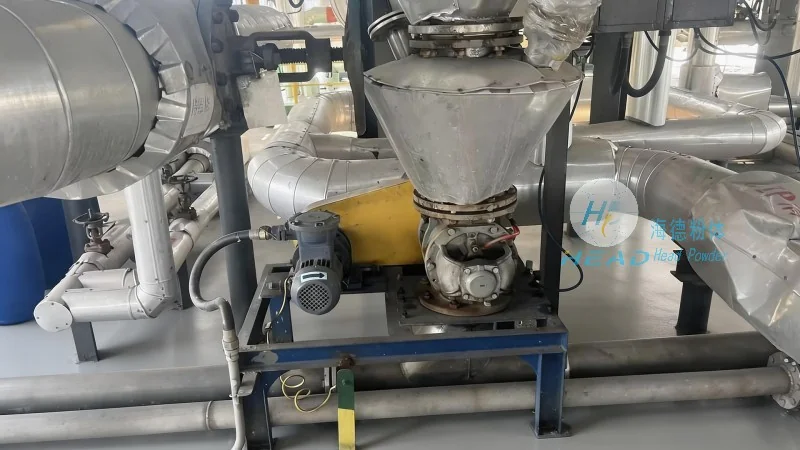
Key Characteristics of the Conveying Line
The sodium fluosilicate pneumatic conveying line from HeadPowder is characterized by several notable features that enhance its performance and usability. Firstly, it offers high efficiency in material transport, with the ability to handle large volumes of sodium fluosilicate at a consistent and controlled rate. This efficiency is achieved through optimized air flow management and the use of appropriate pipeline diameters and lengths. Secondly, the system is designed with environmental considerations in mind, minimizing dust emissions and ensuring compliance with industrial safety standards. The use of sealed containers and enclosed pipelines helps to contain particles and prevent air pollution, making it a more sustainable option compared to traditional bulk handling methods.
Technical Advantages and Application Benefits
One of the significant advantages of the sodium fluosilicate pneumatic conveying line is its ability to maintain the purity of the material during transport. By avoiding direct contact with the environment and using sealed systems, the risk of contamination from moisture, dust, or other external factors is significantly reduced. This is particularly important for sodium fluosilicate, which is hygroscopic and can degrade if exposed to humidity. Additionally, the system provides flexibility in terms of layout, allowing for horizontal, vertical, or mixed-direction transport depending on the plant's layout and operational requirements. This adaptability makes it suitable for various industrial settings, from small-scale laboratories to large-scale manufacturing facilities.
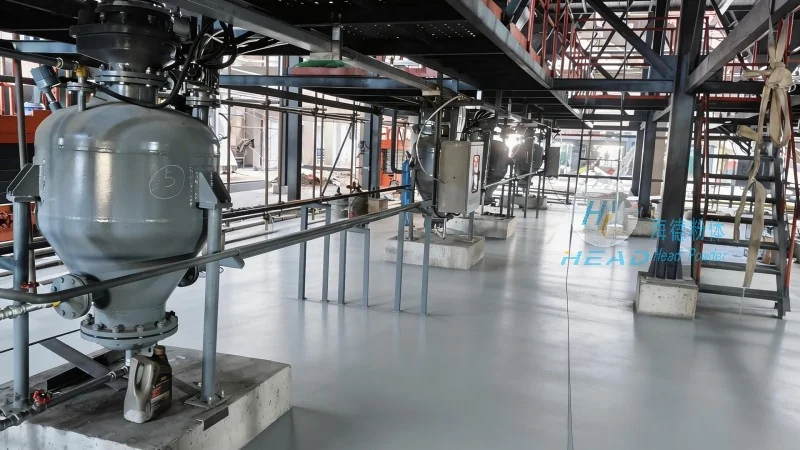
Installation and Maintenance Considerations
Proper installation and regular maintenance are essential to ensure the long-term reliability and efficiency of the sodium fluosilicate pneumatic conveying line. HeadPowder provides comprehensive support, including on-site installation services and detailed maintenance guidelines. The system typically includes components such as air compressors, material feeders, pipelines, and dust collectors. Regular checks of air pressure, pipeline integrity, and material flow rates are recommended to identify and address any potential issues before they impact performance. By adhering to the manufacturer's maintenance schedule, users can maximize the lifespan of the equipment and minimize downtime.
Conclusion
In summary, the sodium fluosilicate pneumatic conveying line from Shandong HeadPowder Engineering Co., Ltd. represents a sophisticated solution for the efficient and safe transport of sodium fluosilicate. By leveraging pneumatic technology, the system addresses the unique handling challenges of this chemical, offering benefits such as high efficiency, environmental friendliness, and material purity. With its robust design and professional support, this equipment is an ideal choice for industries seeking reliable material handling solutions. HeadPowder's commitment to quality and customer satisfaction ensures that users receive a product that meets their specific operational needs and contributes to overall process optimization.