

Working Principle and Characteristics of Pneumatic Dust Removal
Understanding the working principle and characteristics of pneumatic dust removal systems is crucial for industries seeking efficient and reliable air filtration solutions. This article provides a detailed overview of how these systems operate and the key attributes that make them effective in various industrial applications.
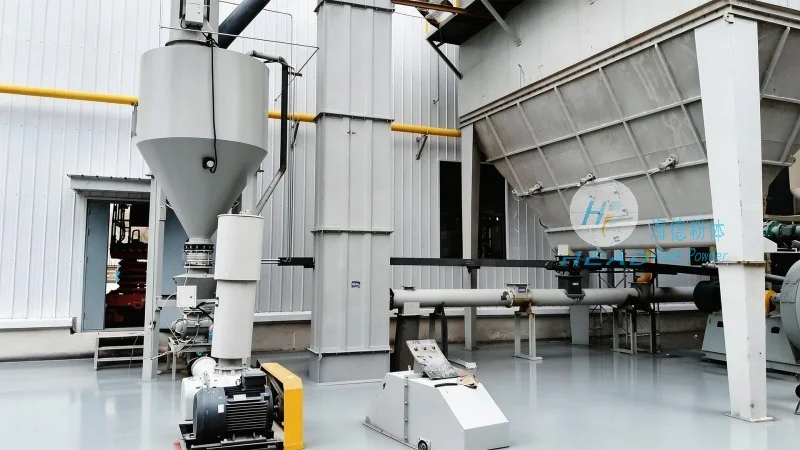
Working Principle of Pneumatic Dust Removal
Pneumatic dust removal, also known as pneumatic conveying or air filtration systems, utilizes air pressure to transport dust and particulate matter from industrial processes. The core mechanism involves creating a flow of air that captures particles and transports them to a collection or filtration unit. There are two primary types of pneumatic dust removal systems: suction (or vacuum) systems and pressure systems.
In suction systems, a vacuum is created at the dust source to draw particles into the system. The air and particles are then conveyed through a pipeline to a separator or filter where the particles are removed and the clean air is released. This method is commonly used for short-distance transport and in applications where the dust source is at a lower elevation than the collection point.
Pressure systems, on the other hand, use compressed air to push particles through the pipeline. The particles are introduced into the system at a higher pressure, allowing them to be transported over longer distances and to higher elevations. Both systems rely on the principles of fluid dynamics to ensure efficient particle capture and transport.
Key Characteristics of Pneumatic Dust Removal Systems
Several distinct characteristics define the performance and applicability of pneumatic dust removal systems. These features make them suitable for a wide range of industrial environments and processes.
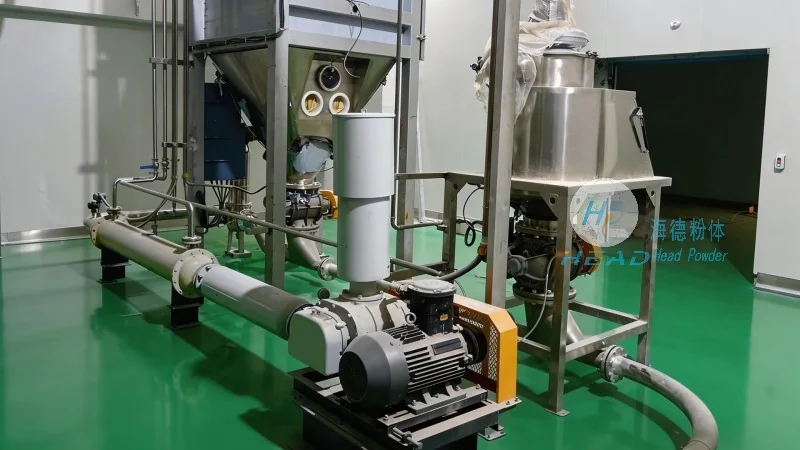
Firstly, pneumatic dust removal systems are known for their high efficiency in capturing and removing particulate matter. The air flow is designed to create a stable suspension of particles, ensuring that even fine dust particles are effectively transported to the collection point. This results in improved air quality and compliance with environmental regulations.
Secondly, these systems offer flexibility in terms of layout and installation. Unlike traditional mechanical systems, pneumatic conveying can be easily adapted to existing industrial setups, allowing for modular and scalable solutions. This flexibility is particularly beneficial in facilities where space is limited or where processes require frequent changes.
Thirdly, pneumatic dust removal systems are generally low in maintenance compared to other filtration methods. The absence of moving parts in the conveying pipeline reduces wear and tear, leading to lower operational costs and longer service life. Additionally, the system's design minimizes the risk of particle buildup and clogging, which can be common issues in other types of dust collection systems.
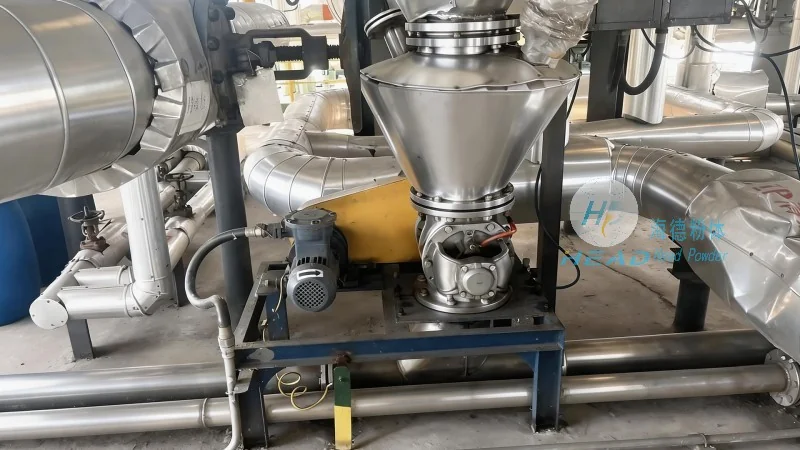
Another important characteristic is the ability to handle a wide range of particle sizes and materials. Whether dealing with fine powders, coarse dust, or even wet materials, pneumatic systems can be configured to accommodate different characteristics. This versatility makes them suitable for diverse industries, including manufacturing, mining, and food processing.
Applications and Benefits in Industrial Settings
Pneumatic dust removal systems are widely used across various industries due to their effectiveness and adaptability. In manufacturing facilities, they are employed to remove dust from grinding, crushing, and mixing operations, ensuring a clean working environment and preventing product contamination. In mining operations, these systems help manage dust generated during drilling and loading processes, reducing health risks for workers and improving safety standards.
The benefits of using pneumatic dust removal extend beyond just air quality improvement. By maintaining a clean environment, these systems can also enhance equipment performance and longevity. Reduced dust accumulation in machinery leads to lower maintenance requirements and fewer breakdowns, ultimately increasing overall productivity. Furthermore, the ability to transport particles over long distances allows for centralized dust collection, which simplifies the management of waste and reduces the need for multiple local collection points.
Conclusion
In conclusion, pneumatic dust removal systems operate on the principles of air pressure and fluid dynamics to efficiently capture and transport particulate matter. Their key characteristics, including high efficiency, flexibility, low maintenance, and versatility, make them a preferred choice for industries seeking reliable air filtration solutions. As a leading provider in the field, Shandong HeadPowder Engineering Co., Ltd. specializes in designing and manufacturing advanced pneumatic dust removal systems tailored to meet the specific needs of various industrial applications, ensuring optimal performance and compliance with environmental standards.