

What is Biomass Powder Pneumatic Conveying Equipment? And What Are Its Design Principles?
Biomass powder pneumatic conveying equipment is a specialized system designed to transport fine powder materials, such as biomass powders, through a pipeline using air or other gas as the conveying medium. This technology is widely used in various industries, including agriculture, energy, and chemical processing, where the efficient and safe handling of bulk powders is critical. The equipment operates by creating a pressure differential within the pipeline, which propels the powder particles along with the air stream. Understanding the design principles behind this equipment is essential for optimizing its performance and ensuring reliable operation in industrial applications.
Key Components of Biomass Powder Pneumatic Conveying Systems
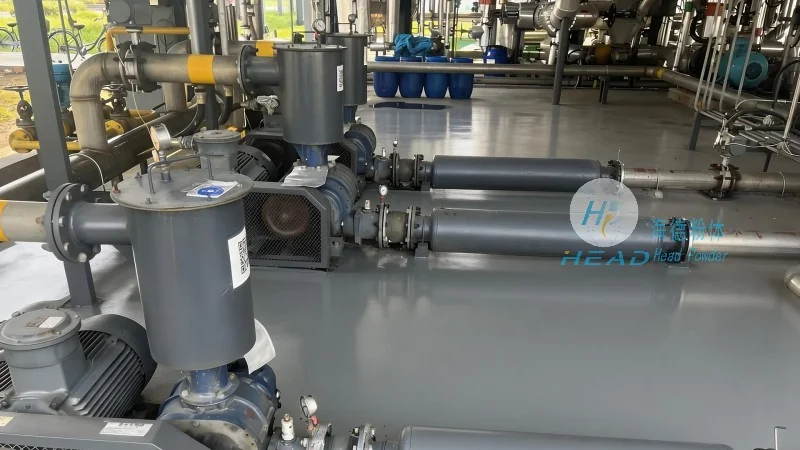
The core components of a biomass powder pneumatic conveying system typically include a material feeder, a conveying line, a dust separator, and a collection hopper. The material feeder is responsible for feeding the biomass powder into the system at a controlled rate, ensuring consistent flow. The conveying line, often made of stainless steel or other corrosion-resistant materials, transports the powder and air mixture. The dust separator, such as a cyclone or bag filter, separates the powder from the air, allowing the powder to be collected and the air to be discharged. Each component plays a crucial role in the overall efficiency and effectiveness of the system.
Design Principles for Efficient Biomass Powder Conveying
The design principles of biomass powder pneumatic conveying equipment focus on several key factors to ensure optimal performance. First, the system must maintain a sufficient pressure differential to overcome the resistance of the pipeline and the powder particles. This is achieved by using appropriate air velocities and pressure levels. Second, the equipment must be designed to handle the specific properties of biomass powders, such as their particle size, moisture content, and flowability. For example, some biomass powders may be hygroscopic or have high moisture content, which can affect their conveying characteristics. Third, the system should minimize the risk of clogging or blockages in the pipeline, which can lead to system downtime. This is achieved through proper material selection, appropriate air flow rates, and the use of anti-clogging devices. Finally, the design must consider the environmental and safety aspects, such as dust control and explosion prevention, to ensure compliance with industry regulations.
Applications of Biomass Powder Pneumatic Conveying Equipment
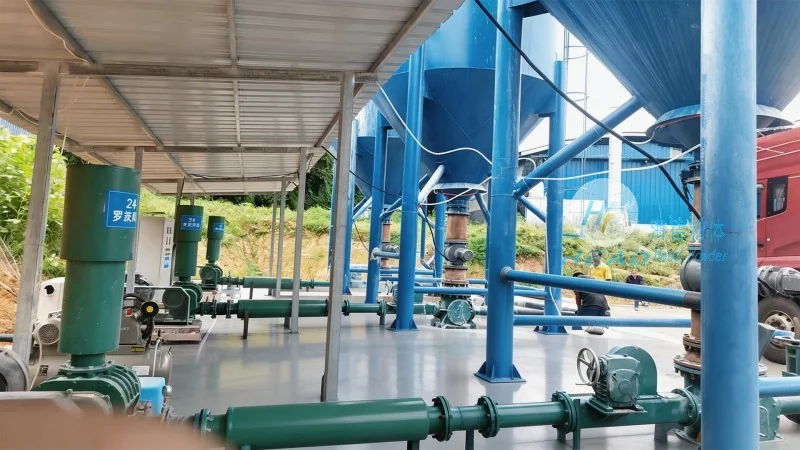
Biomass powder pneumatic conveying equipment is used in a variety of applications across different industries. In the energy sector, it is commonly used to transport biomass powders from storage facilities to biomass boilers or gasifiers for combustion. In the agricultural industry, it is used to handle animal feed or fertilizer powders, ensuring efficient distribution to farms or processing facilities. In the chemical industry, it is used to transport various powder chemicals, including those with high moisture content or corrosive properties. The versatility of this equipment makes it suitable for a wide range of applications where traditional bulk handling methods may not be feasible or efficient.
Advantages of Using Biomass Powder Pneumatic Conveying Systems
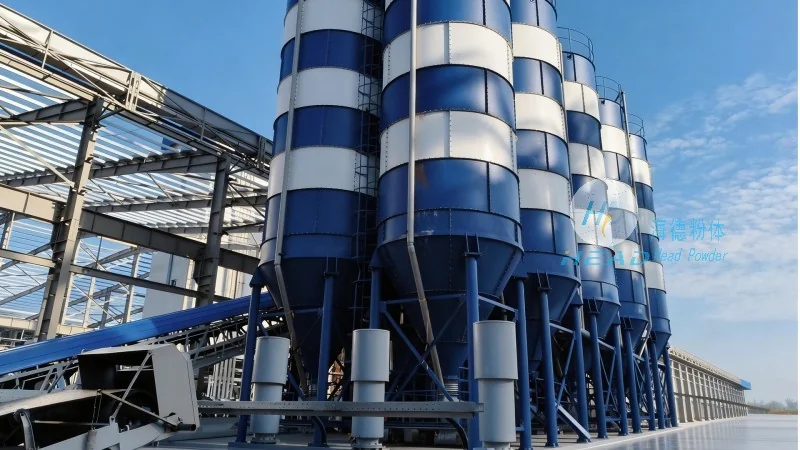
There are several advantages to using biomass powder pneumatic conveying systems compared to traditional methods like belt conveyors or screw conveyors. First, pneumatic conveying systems are more flexible and can be easily adapted to different layouts and process requirements. They can handle long-distance and high-rise conveying, which is difficult for other methods. Second, the equipment is more hygienic and suitable for handling food-grade or pharmaceutical powders, as it minimizes direct contact with the material and reduces the risk of contamination. Third, pneumatic conveying systems can handle a wide range of powder properties, including fine, cohesive, or abrasive powders, without causing damage or degradation. Fourth, the system can be integrated with other process equipment, such as mixers or classifiers, to form a complete production line. Finally, the equipment is relatively compact and can be installed in limited space, making it suitable for both new and existing facilities.
Conclusion and Company Information
Biomass powder pneumatic conveying equipment is a critical component in modern industrial processes, providing efficient and reliable handling of bulk powder materials. The design principles behind this equipment, including proper component selection, pressure management, and material handling considerations, are essential for achieving optimal performance. As a leading manufacturer in the field, Shandong HeadPowder Engineering Co., Ltd. specializes in the design and production of high-quality pneumatic conveying systems tailored to the specific needs of biomass powder applications. With a focus on innovation and customer satisfaction, HeadPowder provides solutions that enhance operational efficiency and ensure compliance with industry standards. Located in Shandong, China, HeadPowder serves clients worldwide with expertise in biomass processing and material handling technologies.