

What is a Pneumatic Conveying System for Bulk Powder Materials? Understanding the Design Principles
Welcome to the world of industrial material handling, where efficient and reliable transport of bulk powder materials is crucial for various applications. In this article, we delve into the realm of pneumatic conveying systems, exploring what these systems are and the fundamental design principles that underpin their operation. As a leading provider in the field, Shandong HeadPowder Engineering Co., Ltd., based in Shandong, China, specializes in the development and manufacturing of advanced pneumatic conveying solutions tailored to meet diverse industrial needs.
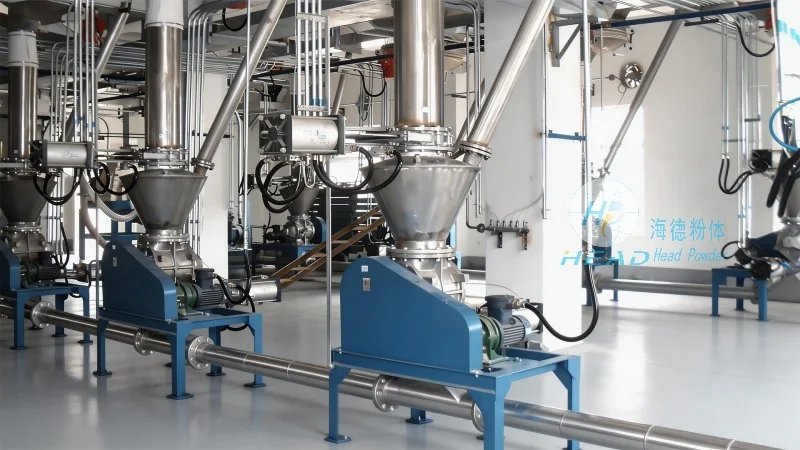
What Are Pneumatic Conveying Systems for Bulk Powder Materials?
Pneumatic conveying systems are mechanical devices designed to transport bulk powder materials through a pipeline using a stream of air or other gas. This method offers a flexible and efficient alternative to traditional methods like belt conveyors or bucket elevators, especially for materials that are dusty, abrasive, or require a dust-free environment. The core components of a typical pneumatic conveying system include a hopper for material storage, a blower or compressor to generate the air flow, a pipeline network, and a discharge point for the material. The system operates by creating a pressure differential, either by suction (negative pressure) or pressure (positive pressure), to move the powder through the system.
Key Design Principles of Pneumatic Conveying Equipment
The design of a pneumatic conveying system involves several critical principles to ensure optimal performance, efficiency, and reliability. One of the primary considerations is the selection of the appropriate air velocity and pressure. The air velocity must be high enough to entrain the powder particles but low enough to prevent excessive wear on the pipeline and reduce energy consumption. The pressure differential is determined by the distance the material needs to travel, the height of the discharge point, and the characteristics of the powder, such as its density and flowability. Additionally, the system's design must account for the material's properties, including its particle size distribution, moisture content, and potential for agglomeration, to prevent blockages and ensure smooth flow.
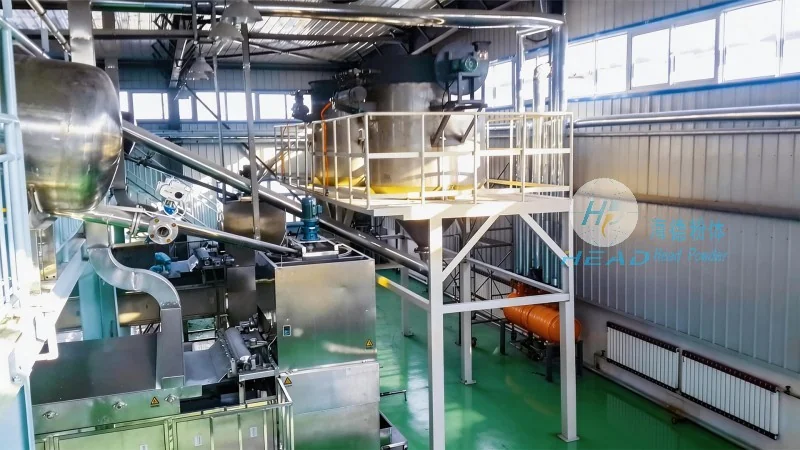
Components and Functionality of Pneumatic Conveying Systems
At the heart of a pneumatic conveying system are several key components that work in harmony to achieve effective material transport. The hopper serves as the initial storage and feeding unit, equipped with a feeder that controls the flow rate of the powder into the system. The blower or compressor provides the necessary air pressure or suction, depending on the system type. The pipeline network connects the hopper to the discharge point, often incorporating bends, elbows, and straight sections to guide the material. Specialized components like cyclones or filters may be included to separate the powder from the air stream, ensuring that the material is delivered to the target location without contamination. The discharge point, such as a silo or storage tank, collects the material, completing the conveying process.
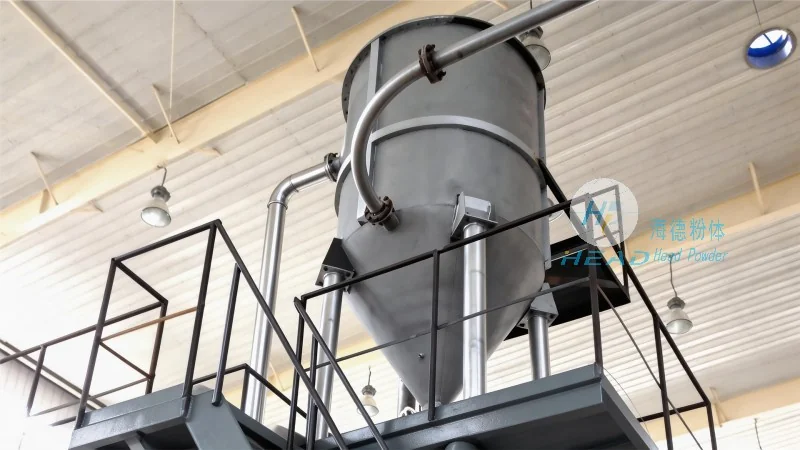
Applications and Benefits of Pneumatic Conveying Systems
Pneumatic conveying systems find widespread application across various industries, including food processing, pharmaceuticals, chemicals, and mining. These systems are particularly advantageous for handling materials that are sensitive to contamination or require a dust-free environment, as they operate enclosed and sealed. The flexibility of pneumatic systems allows for easy integration into existing production lines and the ability to transport materials over long distances or vertical heights. Furthermore, they offer advantages in terms of space efficiency, as they can be installed in a compact footprint compared to other bulk material handling solutions. The design of these systems also enables the control of material flow rates, making them suitable for processes that require precise dosing or batching.
Conclusion and Company Overview
In conclusion, pneumatic conveying systems for bulk powder materials represent a sophisticated and efficient solution for industrial material handling. The design principles, components, and applications of these systems are tailored to meet the specific requirements of different industries, ensuring reliable and cost-effective transport of powders. Shandong HeadPowder Engineering Co., Ltd., with its expertise and commitment to quality, provides comprehensive pneumatic conveying solutions that adhere to the highest standards of performance and durability. Based in Shandong, China, the company leverages advanced technology and engineering to deliver systems that enhance productivity and safety in material handling operations.