With more than 10‑year industry experience, Shandong Headpowder delivers full‑service pneumatic‑conveying systems and blowers, undertaking nationwide turn‑key powder‑handling projects.
Shandong HeadPowder Engineering Co., Ltd., a leading enterprise in the field of pneumatic conveying technology, specializes in the design, manufacturing, and installation of advanced sand pneumatic conveying systems. With a focus on innovation and precision engineering, the company provides comprehensive solutions tailored to the unique needs of various industrial sectors. The following content outlines the classification and essential components of these systems, highlighting their operational principles and practical applications.
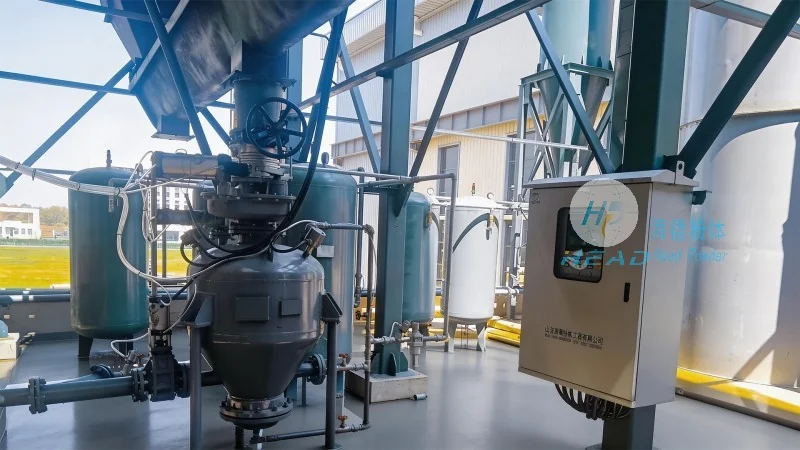
Sand pneumatic conveying systems are engineered to transport sand and similar bulk materials efficiently through an air-driven process. These systems are widely used in construction, mining, and manufacturing industries due to their ability to handle abrasive materials while minimizing wear and tear on equipment. The classification of these systems primarily depends on the pressure and flow characteristics, which determine the most suitable application for a given material and operational environment.
There are two main categories of sand pneumatic conveying systems: pressure and vacuum systems. Pressure systems operate by forcing air or a mixture of air and material through a pipeline under positive pressure, typically using a positive displacement blower or a rotary lobe pump. This method is ideal for long-distance or high-velocity transport of sand, as it can maintain consistent flow rates and prevent material degradation. Vacuum systems, on the other hand, use a vacuum pump to draw material into a pipeline, creating a negative pressure environment. These systems are commonly used for short-distance or low-velocity applications, such as material transfer within a facility or between adjacent production lines.
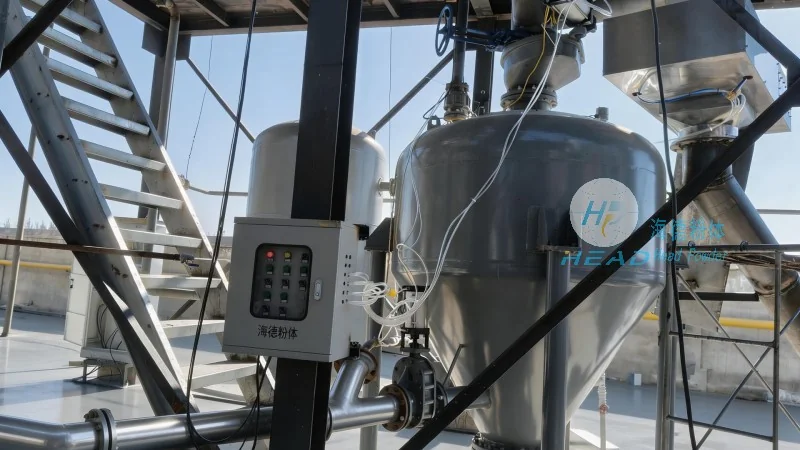
The effective operation of a sand pneumatic conveying system relies on several critical components, each playing a vital role in the material handling process. The primary components include:
The operational principle of a sand pneumatic conveying system involves the creation of a slurry or suspension of sand particles in air. In pressure systems, the feeder introduces sand into the pipeline, where it is mixed with compressed air from the blower. The air pressure forces the mixture through the pipeline to the receiver. In vacuum systems, the vacuum pump draws air and sand particles into the pipeline, creating a negative pressure that pulls the material towards the receiver. The key to efficient operation is maintaining a consistent air-to-material ratio, which ensures that the sand particles are fully suspended and transported without settling or clogging the pipeline.
Sand pneumatic conveying systems are widely used in various industries, including construction, where they are used to transport sand for concrete mixing and mortar production. In mining operations, these systems are employed to transport sand from storage silos to processing plants, improving material handling efficiency and reducing labor costs. Additionally, they are used in manufacturing facilities for the transfer of sand used in foundry processes, such as sand casting, where precise material control is essential for producing high-quality castings.
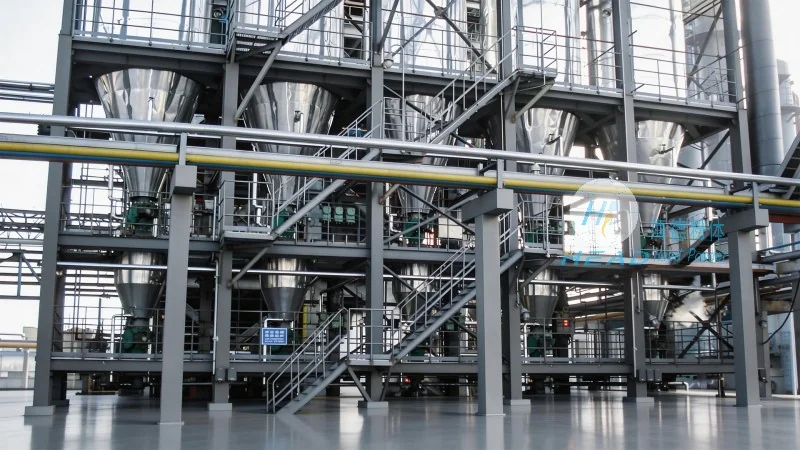
Compared to traditional mechanical conveying methods, such as belt conveyors or bucket elevators, sand pneumatic conveying systems offer several advantages. One of the primary benefits is the ability to handle abrasive materials like sand without significant wear and tear on equipment. The air-driven process minimizes friction and impact, extending the lifespan of the pipeline and other components. Additionally, these systems are more flexible in terms of layout, as they can be installed in various configurations, including vertical, horizontal, or inclined lines, to accommodate different site conditions. The compact design of pneumatic conveying systems also reduces the space required for material handling, making them suitable for facilities with limited floor space.
Another advantage is the reduced risk of material contamination and dust emission. The enclosed pipeline system prevents the release of dust into the environment, improving workplace safety and compliance with environmental regulations. This is particularly important in industries where sand is used in food processing or pharmaceutical manufacturing, where contamination control is critical. Furthermore, pneumatic conveying systems can operate at higher speeds and over longer distances compared to mechanical systems, making them ideal for large-scale material transport applications.
Shandong HeadPowder Engineering Co., Ltd. specializes in providing customized sand pneumatic conveying systems tailored to the specific requirements of each client. The company's engineers work closely with customers to understand their operational needs, material characteristics, and site constraints, and then design a system that meets all requirements. Customization may include adjustments to the feeder type, blower capacity, pipeline material, and control system, ensuring optimal performance and efficiency. The company also offers integration services, where the pneumatic conveying system is integrated with existing production lines or equipment, minimizing downtime and ensuring a smooth transition to the new system.
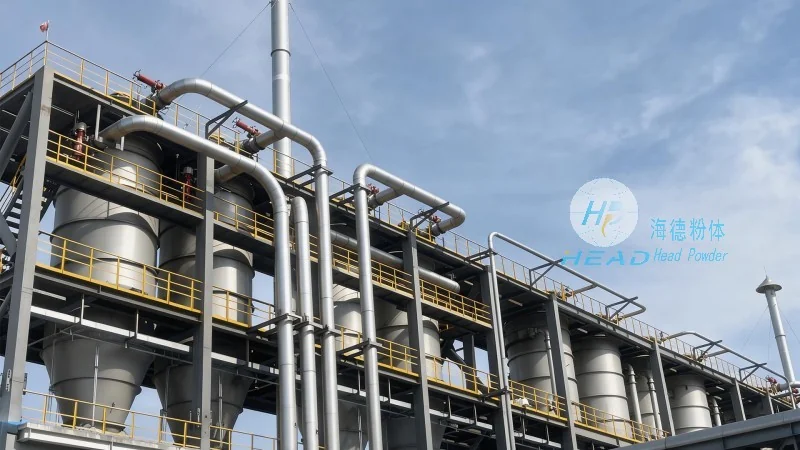
For example, a construction company may require a pressure system with a high-capacity blower to transport sand over a long distance to a concrete mixing plant. The system would be designed with a large hopper feeder to maintain a consistent flow rate and a stainless steel pipeline to handle the abrasive sand. The control system would be programmed to monitor the pressure and flow rates, automatically adjusting the blower speed to maintain optimal performance. Similarly, a mining operation may need a vacuum system to transfer sand from a storage silo to a processing plant, with the receiver designed to handle the incoming material flow and prevent spillage.
Sand pneumatic conveying systems are an essential component of modern industrial material handling, offering efficient, flexible, and cost-effective solutions for transporting sand and similar bulk materials. The classification and composition of these systems, as outlined above, highlight the importance of selecting the appropriate type and components based on the specific application and operational requirements. With its expertise in pneumatic conveying technology, Shandong HeadPowder Engineering Co., Ltd. provides high-quality, customized systems that meet the needs of various industries, ensuring reliable and efficient material transport. By understanding the operational principles and key components of these systems, industries can optimize their material handling processes and improve overall productivity.

 Shandong Headpowder Engineering Co., Ltd.
 156-6277-7102(Manager Zhang)
  0531-83386006
  Zhangqiu District, Jinan City, Shandong Province, China
telephone
WeChatconsult
top