

What is a Sodium Hydroxide Material Pneumatic Conveying System? What are the Design Principles?
Understanding the sodium hydroxide material pneumatic conveying system is crucial for industries that handle this caustic chemical efficiently and safely. This system is designed to transport sodium hydroxide, a widely used industrial chemical, from one location to another using air as the conveying medium. The core of this technology lies in the efficient and reliable movement of the material, which is essential for maintaining production processes in various sectors such as chemical manufacturing, water treatment, and industrial cleaning.
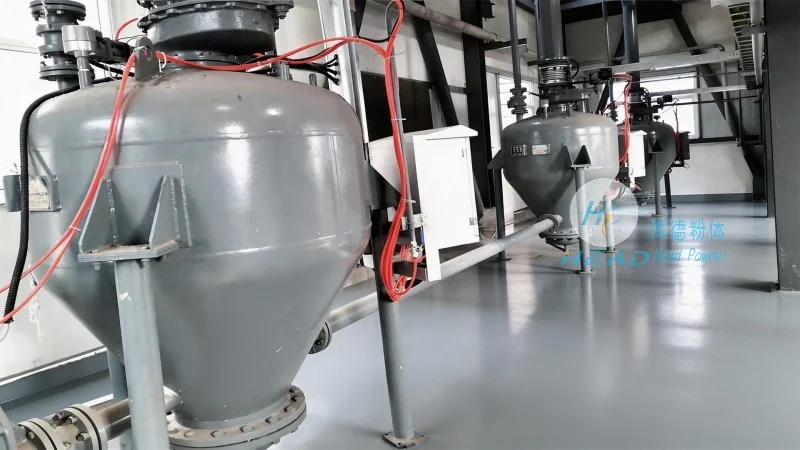
Introduction to the Sodium Hydroxide Pneumatic Conveying System
The sodium hydroxide material pneumatic conveying system is a specialized piece of equipment used to transport solid or semi-solid sodium hydroxide through a pipeline using air pressure. This method offers several advantages over traditional methods like bucket elevators or belt conveyors, including reduced risk of contamination, lower maintenance costs, and the ability to handle hazardous materials in a controlled environment. The system is particularly important for handling sodium hydroxide, which is a strong base and can be corrosive, making safe and efficient transport critical.
Key Components of the Pneumatic Conveying System
The pneumatic conveying system for sodium hydroxide typically consists of several key components that work together to ensure smooth operation. These components include a hopper or feeder to store and feed the material, a blower or air compressor to generate the necessary air pressure, a pipeline to transport the material, and a receiver or discharge unit to collect the material at the destination. Each component plays a vital role in the overall efficiency and safety of the system.
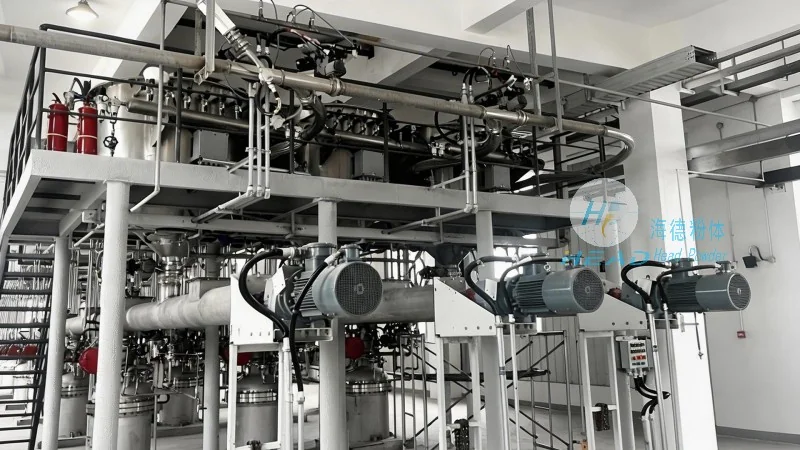
For sodium hydroxide, which can be in the form of pellets, flakes, or powder, the feeder is often designed to handle the specific physical properties of the material. This may involve a rotary valve or a screw feeder to ensure a consistent flow rate. The blower or air compressor must be capable of providing sufficient air volume and pressure to move the material through the pipeline without causing excessive wear or degradation. The pipeline itself is usually made of materials resistant to corrosion, such as stainless steel or special coatings, to withstand the chemical properties of sodium hydroxide.
Design Principles for Efficient Conveying
The design principles of a sodium hydroxide pneumatic conveying system are centered on achieving optimal performance, safety, and durability. One of the primary design considerations is the air-to-solid ratio, which determines the velocity of the material in the pipeline. A higher air-to-solid ratio generally results in faster conveying speeds but may increase energy consumption and wear on components. Engineers must balance these factors to achieve the most efficient operation.
Another critical design principle is the pipeline layout and configuration. The system should be designed to minimize pressure drops and ensure smooth flow. This includes proper sizing of the pipeline, the use of bends and elbows with appropriate radii to reduce friction and prevent material buildup, and the inclusion of cleaning mechanisms such as pulse jets or sweep air to maintain system efficiency over time. For sodium hydroxide, which can be abrasive, the pipeline and components must be constructed from materials that can withstand the wear and corrosion caused by the material.
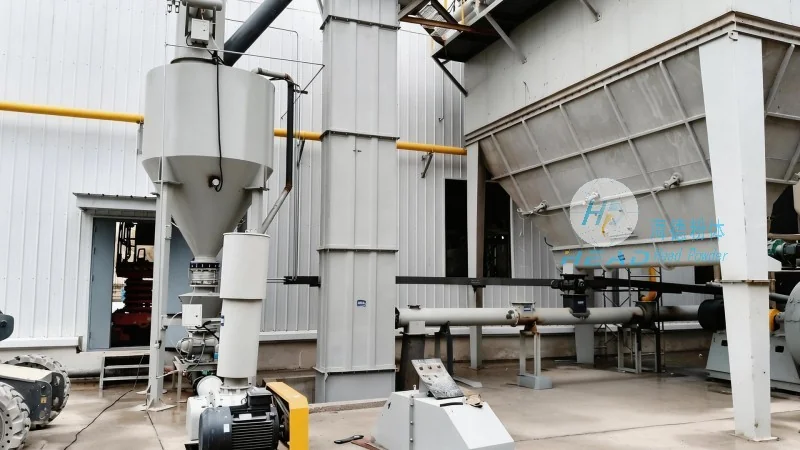
Advantages of Using a Pneumatic Conveying System for Sodium Hydroxide
Implementing a pneumatic conveying system for sodium hydroxide offers numerous benefits for industrial operations. One of the most significant advantages is the reduction in labor costs associated with manual handling of the material. The system automates the transport process, reducing the need for workers to handle the caustic chemical directly, thereby minimizing the risk of exposure and accidents. Additionally, the system can improve production efficiency by ensuring a consistent and continuous flow of material, which is essential for maintaining steady production rates.
From a safety perspective, the pneumatic conveying system provides a closed system, preventing dust and fumes from escaping into the environment. This is particularly important for sodium hydroxide, which can be harmful if inhaled or if it comes into contact with skin or eyes. The closed system also helps to maintain the purity of the material, preventing contamination from external sources. Furthermore, the system can be designed with safety features such as pressure relief valves and emergency shut-off mechanisms to protect both the equipment and personnel.
Considerations for System Maintenance and Longevity
Proper maintenance is essential to ensure the long-term performance and reliability of a sodium hydroxide pneumatic conveying system. Regular inspections of the pipeline and components for signs of wear or corrosion are necessary to prevent system failures. The blower or air compressor should be checked regularly to ensure it is operating at optimal efficiency, as inefficiencies can lead to increased energy costs and reduced conveying capacity. Cleaning the system, particularly the pipeline and feeder, is also important to prevent material buildup, which can affect the flow rate and increase pressure drops.

For sodium hydroxide, which is abrasive, the system components may require more frequent maintenance or replacement. This includes checking the condition of the feeder, the blower blades, and the pipeline interior. Using high-quality materials and components designed specifically for handling caustic chemicals can extend the lifespan of the system and reduce the need for frequent repairs. Additionally, implementing a preventive maintenance schedule can help identify potential issues before they become major problems, ensuring the system operates at peak performance.
Conclusion: The Importance of a Well-Designed System
In conclusion, the sodium hydroxide material pneumatic conveying system is a vital piece of equipment for industries that rely on this chemical. The design principles and components of the system are carefully selected to ensure efficient, safe, and reliable transport of the material. By understanding the key aspects of this system, including its components, design considerations, and maintenance requirements, industrial operations can optimize their processes and minimize risks associated with handling sodium hydroxide. The system not only improves operational efficiency but also enhances safety for workers and the environment, making it an essential investment for any facility that handles this important chemical.