

What is a coal gangue powder pneumatic conveying system? What are its design principles?
Coal gangue, a byproduct of coal mining and processing, presents significant environmental and resource challenges. The efficient handling and transportation of coal gangue powder are critical for sustainable industrial operations. A coal gangue powder pneumatic conveying system is a specialized technology designed to transport this fine powder material through a pipeline using air as the conveying medium. This system is essential for industries dealing with coal gangue, as it offers a reliable, dust-free, and energy-efficient method for material transport.
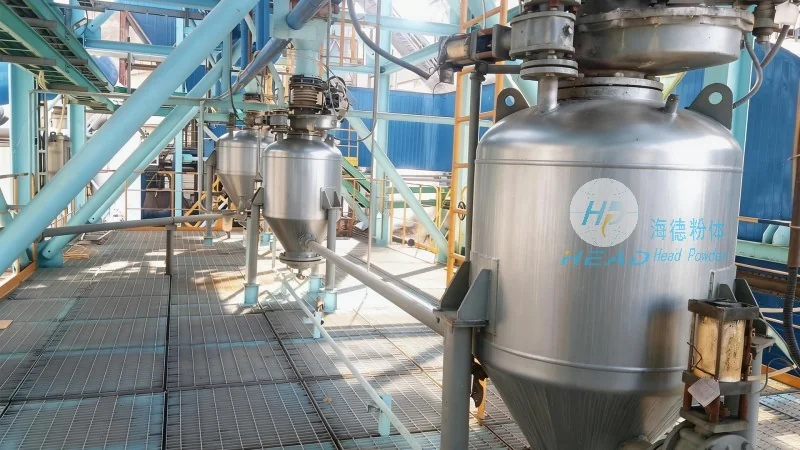
Understanding the Core Components of a Coal Gangue Powder Pneumatic Conveying System
The system typically consists of several key components that work in tandem to ensure effective material transport. These components include a material feeding device, a conveying pipeline, a pneumatic conveying device (such as a blower or compressor), and a material discharge device. The feeding device, often a hopper or feeder, ensures a consistent flow of coal gangue powder into the system. The pipeline, usually made of stainless steel or other corrosion-resistant materials, is designed to withstand the abrasive nature of the powder. The pneumatic conveying device generates the necessary air pressure and flow to move the powder through the pipeline. Finally, the discharge device, such as a rotary valve or a dust collector, collects the material at the destination point.
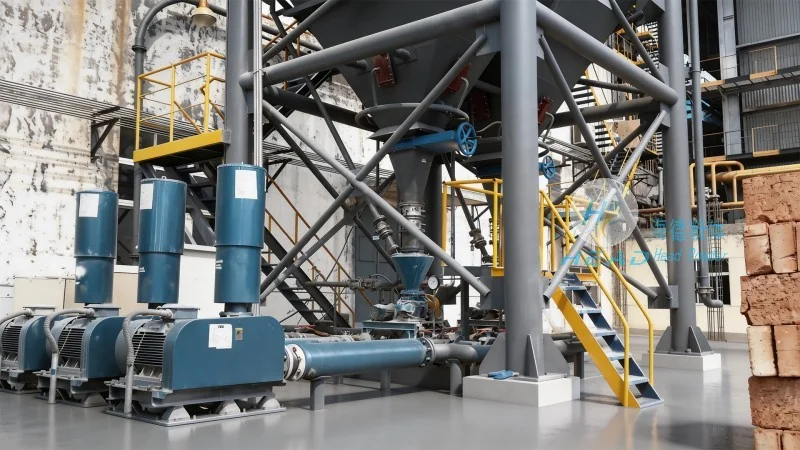
Design Principles for Efficient Coal Gangue Powder Pneumatic Conveying
The design of a coal gangue powder pneumatic conveying system is based on several fundamental principles to ensure optimal performance. The first principle is the selection of the appropriate conveying air velocity. The air velocity must be high enough to lift and transport the powder particles but low enough to prevent excessive wear on the pipeline and equipment. The second principle is the consideration of the material's properties, such as particle size, density, and moisture content. These properties affect the system's capacity and the required air pressure. The third principle is the system's layout and configuration, which must be tailored to the specific application and the distance and elevation changes between the source and destination points. Proper design also involves the selection of suitable materials for the pipeline and equipment to handle the abrasive nature of coal gangue powder and to minimize maintenance requirements.
Applications and Benefits of Coal Gangue Powder Pneumatic Conveying Systems
Coal gangue powder pneumatic conveying systems are widely used in various industrial applications, including power plants, cement factories, and construction material production facilities. The primary benefits of these systems include improved safety by eliminating dust emissions, reduced labor costs due to automated material handling, and increased efficiency by minimizing material loss and downtime. Additionally, the systems are compact and can be installed in confined spaces, making them suitable for retrofitting existing facilities. The environmental benefits are significant, as they help in the proper disposal and utilization of coal gangue, reducing the environmental impact of coal mining and processing.
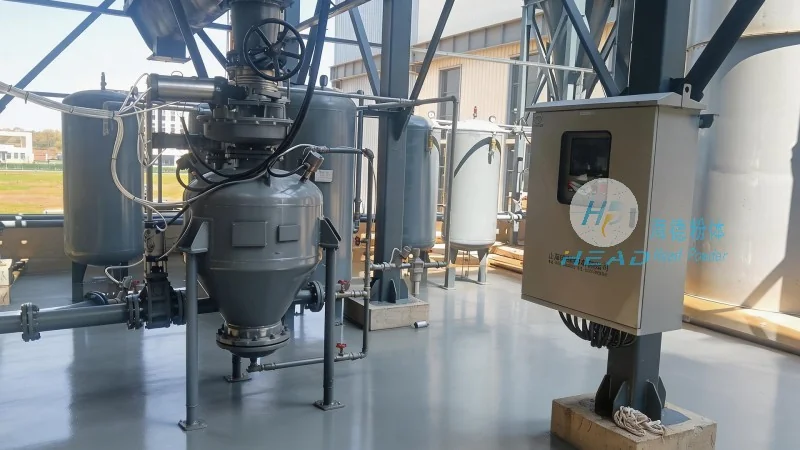
HeadPowder: Expert in Coal Gangue Powder Pneumatic Conveying Solutions
Shandong HeadPowder Engineering Co., Ltd., a leading provider of industrial conveying solutions, specializes in designing and manufacturing coal gangue powder pneumatic conveying systems. With years of experience in the field, HeadPowder has developed advanced technologies and customized solutions to meet the unique needs of its clients. The company's systems are engineered to handle the challenging properties of coal gangue powder, ensuring reliable and efficient operation. HeadPowder's commitment to quality and innovation has made it a trusted partner for industries seeking sustainable and effective material handling solutions. The company's headquarters is located in Shandong, China, where it continues to develop cutting-edge technologies to advance the industry.