

What is a Chlorinated Polyethylene Material Pneumatic Conveying System? And What Are Its Design Prin
Chlorinated polyethylene (CPE) is a versatile polymer widely used in various industrial applications due to its excellent chemical resistance, flexibility, and durability. When handling CPE materials, especially in bulk, efficient and reliable material transport is crucial. A pneumatic conveying system offers a solution that can effectively manage the transportation of CPE powders or granules from one location to another within a processing facility. This article explores the concept of a chlorinated polyethylene material pneumatic conveying system and delves into its fundamental design principles, highlighting how such systems are engineered to meet the specific demands of CPE material handling.
Understanding the Chlorinated Polyethylene Material Pneumatic Conveying System
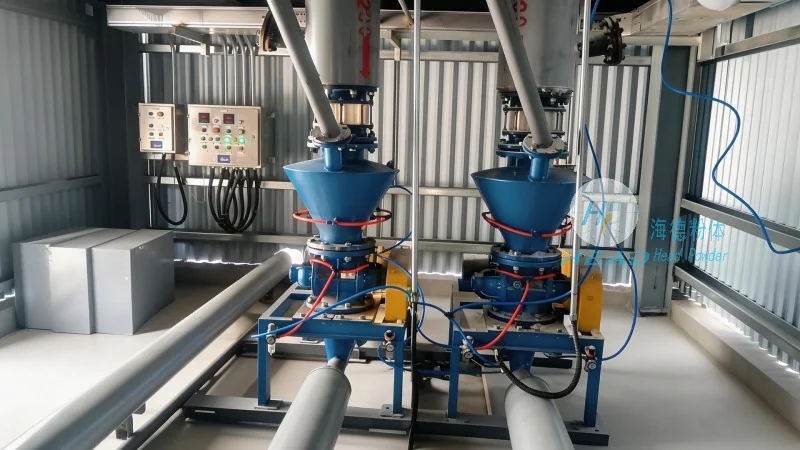
A chlorinated polyethylene material pneumatic conveying system is a type of pneumatic transport equipment designed specifically for the movement of CPE powders or granules. The system operates by using compressed air or other gases to create a flow that propels the material through a pipeline network. This method is particularly advantageous for CPE materials because it minimizes material degradation, reduces contamination risks, and enables the safe transport of potentially hazardous or sensitive powders. The system typically consists of several key components, including a material feed hopper, a conveying line, a receiver, and control valves. Each component plays a critical role in ensuring the smooth and efficient operation of the entire system.
Key Components of the Pneumatic Conveying System for CPE Materials
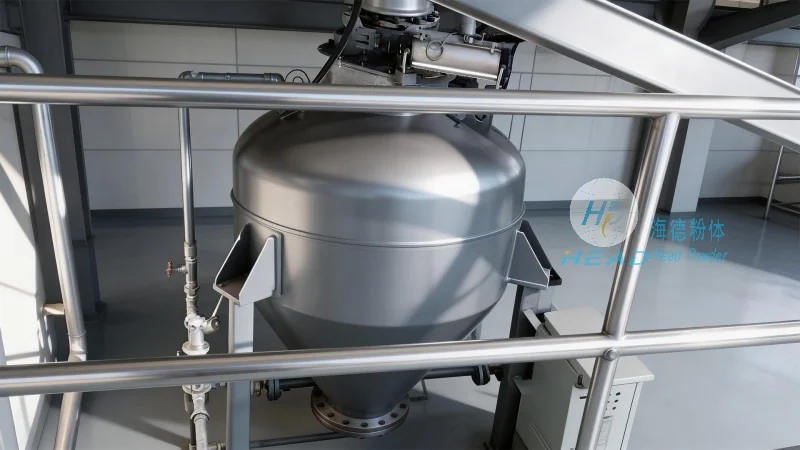
The design of a CPE material pneumatic conveying system involves integrating several essential components to achieve optimal performance. The material feed hopper is responsible for storing and feeding the CPE material into the conveying line. It is usually equipped with a rotary valve or a feeder to control the flow rate and prevent material buildup. The conveying line, often made of stainless steel or other corrosion-resistant materials, is designed to withstand the chemical properties of CPE and ensure long-term durability. The receiver, or discharge hopper, collects the material at the destination point and may include a discharge valve or a rotary valve for controlled release. Control valves, such as air regulators and pressure relief valves, are integrated to manage the air pressure and flow within the system, ensuring safe and efficient operation. Additionally, the system may include filters and cyclones to separate any entrained air or fine particles from the conveyed material, maintaining product purity.
Design Principles for Efficient CPE Material Handling
The design principles of a chlorinated polyethylene material pneumatic conveying system are centered on maximizing efficiency, minimizing material degradation, and ensuring safety. One of the primary design considerations is the selection of appropriate air velocity. The air velocity must be high enough to overcome the frictional resistance of the material in the pipeline but low enough to prevent excessive wear on the system components and to avoid material degradation. The system is typically designed with a specific air-to-material ratio, which is the ratio of the volume of air to the volume of material being conveyed. This ratio is crucial for determining the system's capacity and ensuring that the material is fully suspended and transported effectively. Another key design principle is the use of appropriate pipeline diameter and length. The diameter of the conveying line is selected based on the material's flow characteristics and the required air velocity. Longer pipelines may require larger diameters or additional booster units to maintain sufficient air pressure and prevent material settling. The system may also incorporate bends, elbows, and other fittings that are designed to minimize pressure losses and maintain the material's flow integrity.
Advantages of Using a Pneumatic Conveying System for CPE Materials
Implementing a pneumatic conveying system for chlorinated polyethylene materials offers several advantages over traditional methods like belt conveyors or bucket elevators. One of the most significant benefits is the ability to handle fine powders or granules without the risk of clogging or material degradation. The enclosed system prevents contamination from external sources and reduces the risk of dust emissions, making it more environmentally friendly and safer for operators. Additionally, pneumatic conveying systems can be easily integrated into existing processing facilities, allowing for flexible material transport between different processing stages. The system's design allows for precise control over the material flow rate, ensuring consistent product quality and reducing waste. Furthermore, the system's compact design and minimal maintenance requirements make it a cost-effective solution for CPE material handling, especially in applications where space is limited or where frequent material changes are required.
Applications of Chlorinated Polyethylene Material Pneumatic Conveying Systems
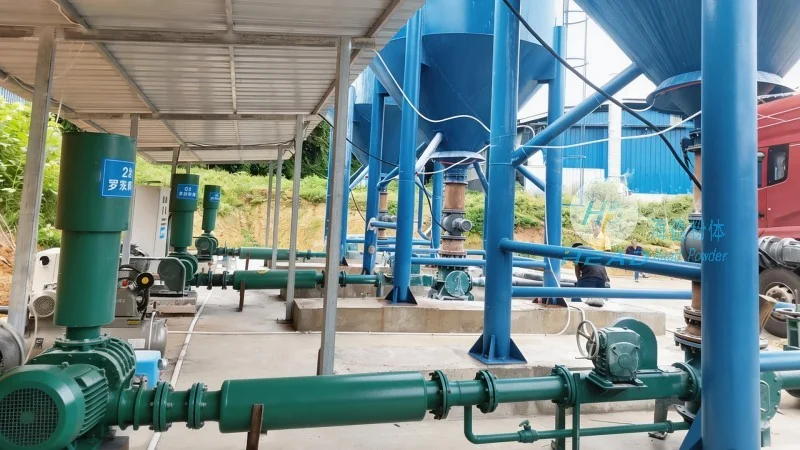
Chlorinated polyethylene material pneumatic conveying systems are widely used in various industrial sectors that utilize CPE materials. In the plastics industry, these systems are commonly employed in the production of CPE-based products, such as pipes, sheets, and coatings. The system efficiently transports CPE granules from storage silos to extrusion or compounding equipment, ensuring a continuous and consistent supply of material. In the chemical industry, the system is used to transport CPE powders from storage tanks to reactors or processing units, maintaining the material's integrity and preventing contamination. The food and pharmaceutical industries also benefit from these systems, as they provide a hygienic and controlled method for transporting CPE-based additives or packaging materials. The versatility of the system makes it suitable for a wide range of applications, from small-scale laboratory operations to large-scale industrial production lines.
Conclusion and Recommendations for CPE Material Handling
In conclusion, a chlorinated polyethylene material pneumatic conveying system is a highly effective and efficient solution for transporting CPE powders or granules within industrial processing facilities. The system's design, based on fundamental principles of fluid dynamics and material handling, ensures optimal performance and reliability. When selecting or designing a pneumatic conveying system for CPE materials, it is essential to consider factors such as material properties, system capacity, and operational requirements. Consulting with experienced engineers, such as those from Shandong HeadPowder Engineering Co., Ltd., can help ensure that the system is tailored to meet specific application needs and provides long-term operational benefits. By understanding the design principles and advantages of such systems, industries can enhance their material handling processes, improve product quality, and reduce operational costs associated with CPE material transport.